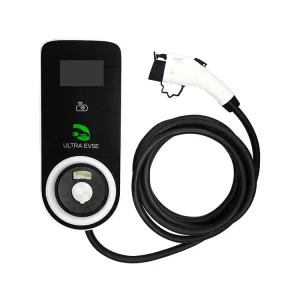
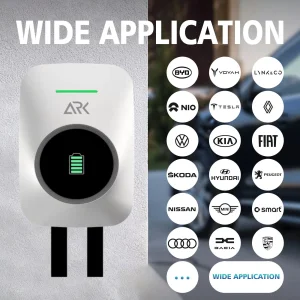
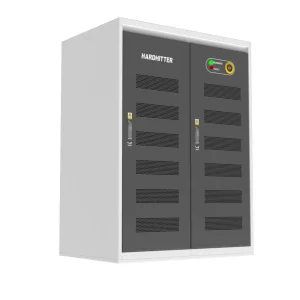
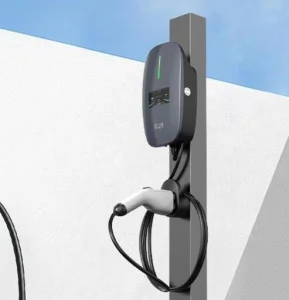
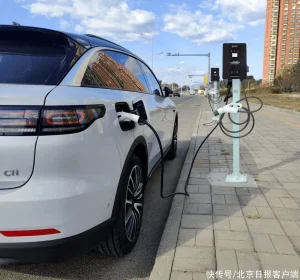
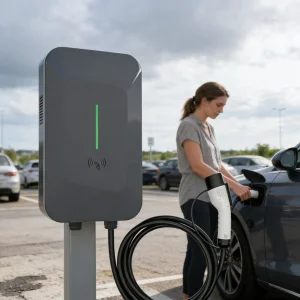
The United States is currently witnessing an unprecedented shift in its automotive landscape. As of 2024, the demand for Level 2 EV Chargers has skyrocketed, driven by both federal mandates and a surge in consumer adoption of electric vehicles. Unlike the rapid but often transient nature of Level 3 DC fast charging, Level 2 infrastructure serves as the reliable backbone of the "Charging at Home" and "Charging at Work" philosophies that dominate American driving habits.
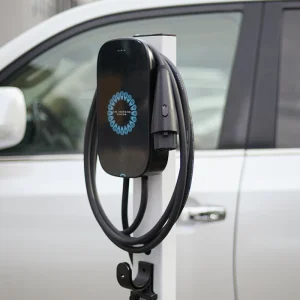
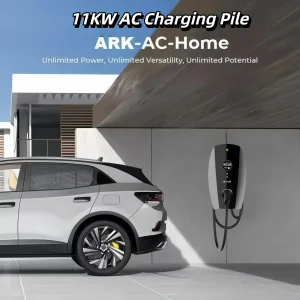
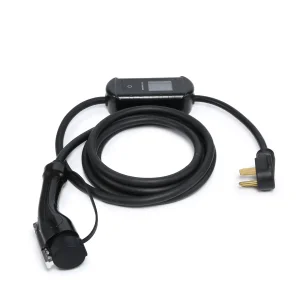
In the U.S., Level 2 charging typically operates on a 240V AC circuit, similar to what a large appliance like a clothes dryer would use. This allows for charging speeds that are 3 to 7 times faster than a standard 120V wall outlet (Level 1). For American homeowners, this means a full charge overnight; for business owners, it means providing a crucial amenity that keeps customers on-site longer.
The National Electric Vehicle Infrastructure (NEVI) Formula Program and the Inflation Reduction Act have allocated billions to expand the charging network. Suppliers who meet the "Build America, Buy America" requirements are seeing significant advantages in public sector contracts and municipal projects across states like California, New York, and Florida.
The U.S. market is currently in a transition phase. While the SAE J1772 connector has been the standard for Level 2 charging for a decade, the shift toward the North American Charging Standard (NACS)—popularized by Tesla—is now being adopted by major automakers like Ford, GM, and Rivian. Modern factories are now producing dual-standard chargers to ensure compatibility across all fleets.
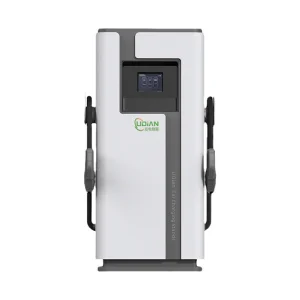
Hangzhou Volt Charger Co., Ltd. is a leading innovator in the electric vehicle (EV) charging industry, specializing in Portable & DC EV Chargers, EV Charging Adapters, and Smart Energy Solutions. Established in Hangzhou, China, the company has rapidly gained a reputation for delivering high-quality, reliable, and technologically advanced charging products that meet the evolving demands of EV owners and businesses worldwide.
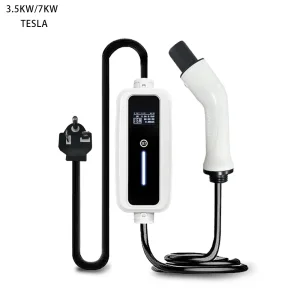
With a commitment to sustainability and innovation, Hangzhou Volt Charger integrates cutting-edge technology into its product portfolio, offering fast, efficient, and safe charging solutions suitable for home, workplace, and public applications. Its portable chargers provide convenience for EV users on the go, while its DC fast chargers ensure rapid energy replenishment for commercial fleets and public charging stations.
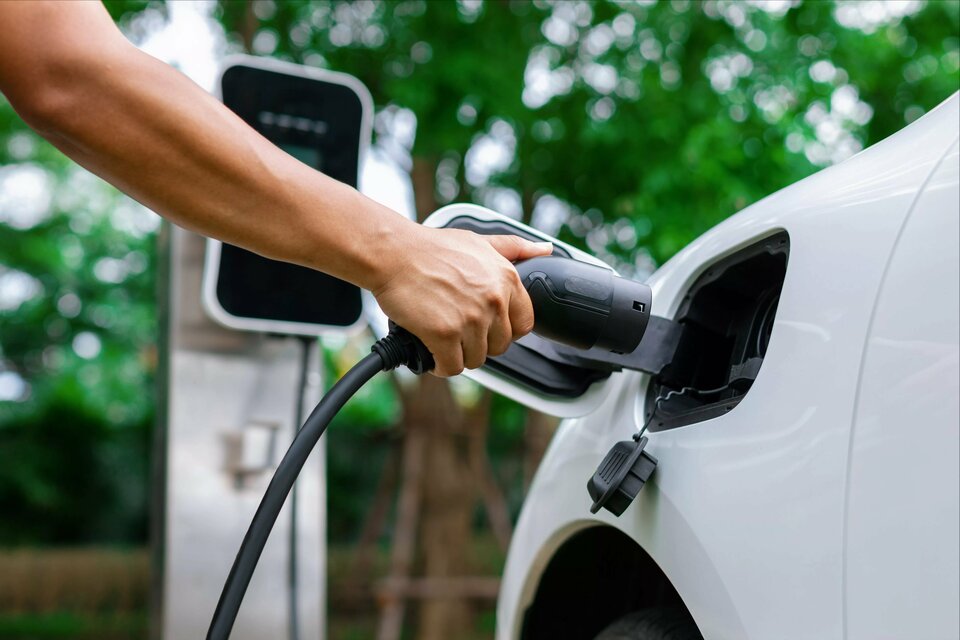
The company also develops intelligent charging adapters and energy management systems, enabling seamless connectivity, real-time monitoring, and optimized power usage. By combining robust hardware with smart software, Hangzhou Volt Charger empowers clients to reduce energy costs, enhance charging efficiency, and future-proof their EV infrastructure. Serving global markets with an emphasis on quality, safety, and customer satisfaction, Hangzhou Volt Charger Co., Ltd. is dedicated to accelerating the adoption of electric mobility and supporting a greener, smarter, and more sustainable transportation ecosystem.
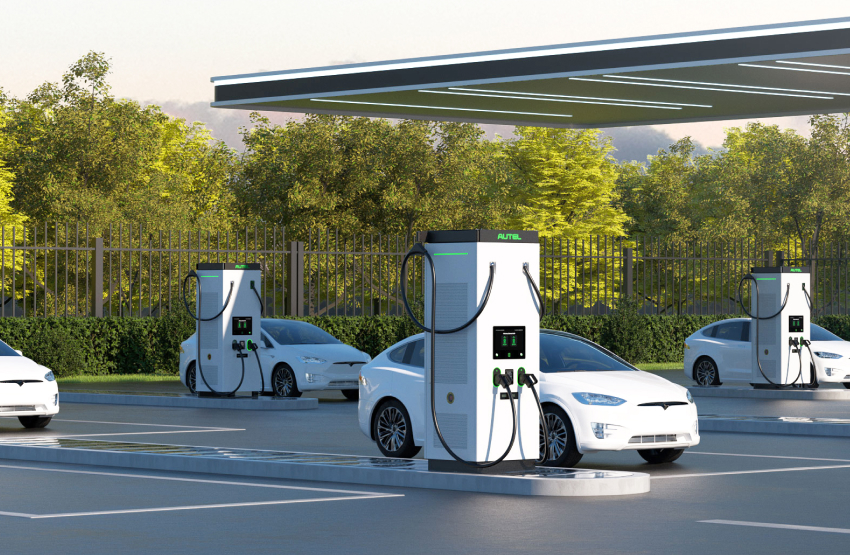
As we look toward 2025 and beyond, several key trends are shaping how Level 2 chargers are manufactured and deployed across the United States. Suppliers are no longer just selling hardware; they are providing integrated energy nodes.
In dense urban areas like Chicago or San Francisco, the local power grid faces strain when hundreds of EVs plug in simultaneously. Modern factories are integrating AI algorithms that communicate with the grid. These "Smart Chargers" can throttle charging speeds during peak hours and accelerate them when renewable energy (like wind or solar) is most abundant. This is critical for multi-family housing (MUDs) where electrical capacity is limited.
The next generation of Level 2 chargers in the US will be bidirectional. This allows your EV to act as a backup battery for your home during outages—a feature becoming increasingly popular in Texas and the Southeast due to extreme weather events. Factories are now re-tooling production lines to include the necessary inverters and software protocols for V2X (Vehicle-to-Everything) capabilities.
The "wall of apps" is falling. California and other states are mandating that public Level 2 chargers include physical credit card readers or "Plug and Charge" (ISO 15118) capabilities. This ensures that the charging experience is as seamless as pumping gas, eliminating the need for multiple smartphone applications.
With "Return to Office" mandates, employers in tech hubs like Austin and Seattle are installing Level 2 chargers as a top-tier employee perk. 32A to 48A stations are the standard here, providing a steady charge throughout the 8-hour workday.
Apartment complexes and HOAs are the biggest growth sector. Factories are specializing in "Shared-Power" solutions where 4 chargers can share a single circuit, keeping installation costs low for property managers.
Hotels along major American interstate corridors (like I-95 or I-10) are finding that Level 2 chargers are no longer optional. A guest will choose a hotel with a charger over one without it 80% of the time, according to recent travel surveys.
Delivery vans for companies like Amazon and FedEx require overnight charging at depots. High-amperage Level 2 chargers (up to 80A/19.2kW) are being manufactured specifically to handle these larger battery packs efficiently.
When selecting a factory or supplier for your EV charging needs in the U.S., it is vital to look beyond the price tag. Reliability, safety certifications, and future-proofing are the true metrics of value. Ensure your chosen equipment is UL Listed (Underwriters Laboratories) or ETL Certified. These marks guarantee that the charger has undergone rigorous testing for fire safety and electrical integrity under the NEC (National Electrical Code).
Furthermore, consider the software. A charger that supports OCPP 1.6J or 2.0.1 (Open Charge Point Protocol) allows you to switch network providers without replacing your physical hardware. This flexibility is essential for commercial operators who want to avoid "vendor lock-in."
As the United States accelerates toward its goal of a 50% electric vehicle sales share by 2030, the partnership between innovative manufacturers like Hangzhou Volt Charger Co., Ltd. and local American distributors will be the engine that drives this green transformation. Whether you are a homeowner in California, a fleet manager in Texas, or a property developer in New York, the right Level 2 charging solution is your gateway to the future of mobility.
 Volt Charger