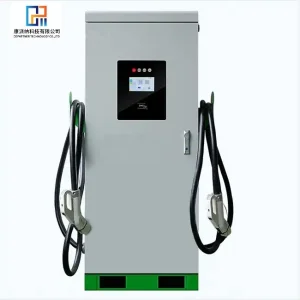
Belgium is rapidly becoming a cornerstone of electric mobility in Europe. Located at the crossroads of major European economies, Belgium’s demand for high-quality Level 2 EV Chargers has skyrocketed. As the country pushes toward the 2035 ban on internal combustion engine (ICE) vehicles, major cities like Brussels, Antwerp, and Liege are leading the charge in infrastructure development.
The Belgian government offers significant tax incentives for companies and individuals who install smart charging stations. This has led to a surge in demand for professional Level 2 EV charger factories and suppliers who can provide reliable, Type 2 compatible equipment that meets the stringent RGIE/AREI electrical safety standards.
Currently, the Belgian industrial sector is shifting focus towards smart grid integration. Level 2 chargers (ranging from 7kW to 22kW) are the preferred choice for workplaces and multi-family residential complexes (syndics) due to their balance of installation cost and charging speed.
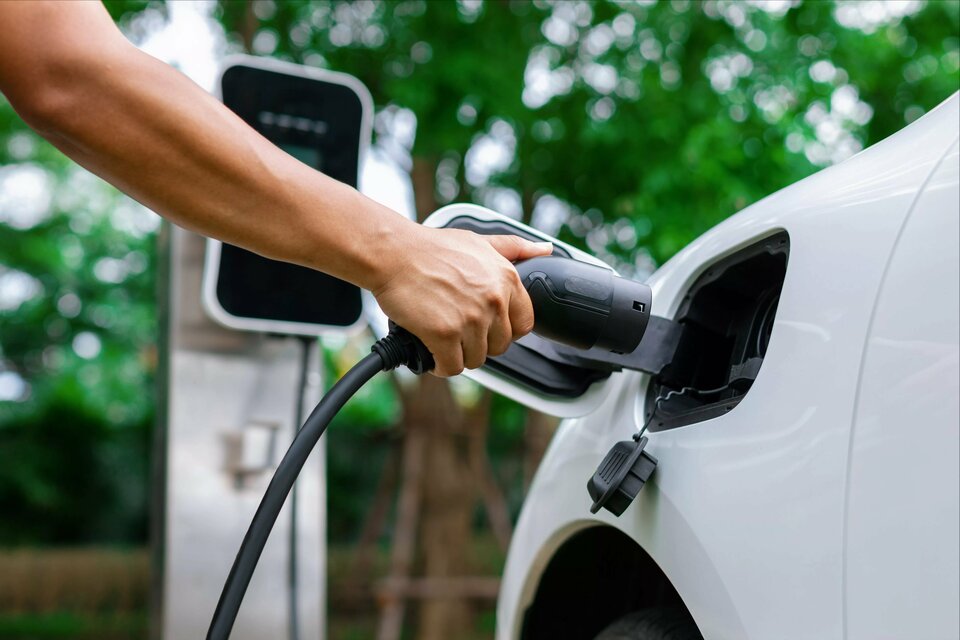
Belgian businesses are increasingly adopting chargers with dynamic load balancing to avoid peak grid charges and optimize local energy consumption from solar panels.
Vehicle-to-Grid (V2G) readiness is the next frontier. Suppliers in the Belgian market are focusing on hardware that can eventually support returning energy to the grid during peak hours.
Seamless communication between the charger and management software is critical for billing and remote diagnostics in commercial fleet applications across Flanders and Wallonia.
1. Corporate Fleet Electrification: In Brussels, companies are replacing their leasing fleets with EVs. Supplying Level 2 chargers with dual-port outputs allows companies to maximize parking space efficiency while providing 22kW charging to employees.
2. Hospitality & Tourism: Hotels in Bruges and the Ardennes are installing Level 2 destination chargers to attract eco-conscious tourists from neighboring Germany, France, and the Netherlands.
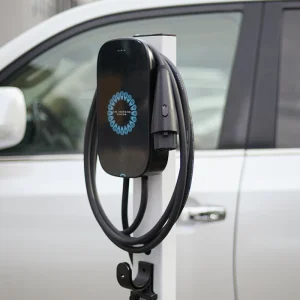
3. Residential "Syndic" Projects: Multi-tenant buildings require smart "split-billing" capabilities, ensuring that each resident pays only for the energy their vehicle consumes. Our Level 2 charging solutions provide the necessary RFID and app-based authentication for these environments.
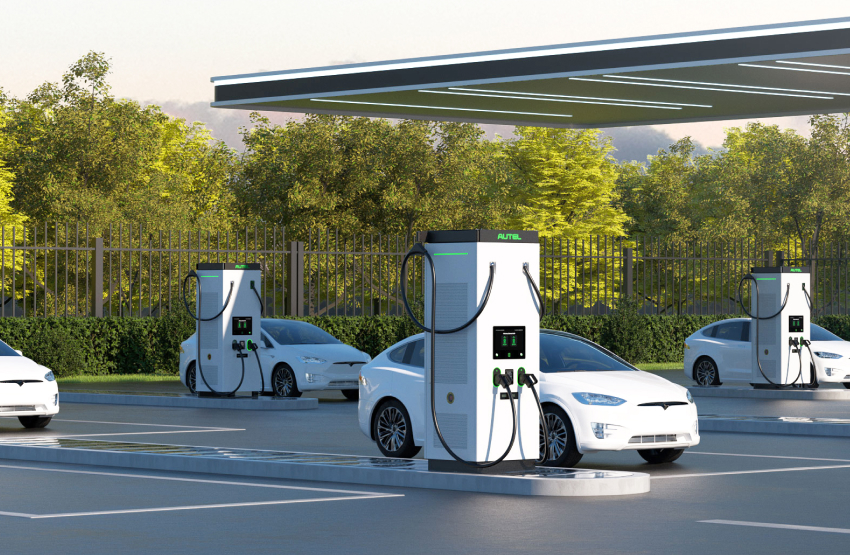
Hangzhou Volt Charger Co., Ltd. is a leading innovator in the electric vehicle (EV) charging industry, specializing in Portable & DC EV Chargers, EV Charging Adapters, and Smart Energy Solutions. Established in Hangzhou, China, the company has rapidly gained a reputation for delivering high-quality, reliable, and technologically advanced charging products that meet the evolving demands of EV owners and businesses worldwide.
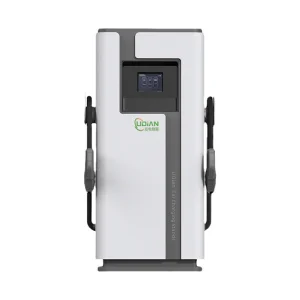
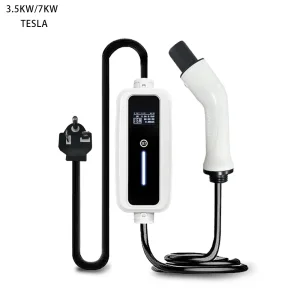
With a commitment to sustainability and innovation, Hangzhou Volt Charger integrates cutting-edge technology into its product portfolio, offering fast, efficient, and safe charging solutions suitable for home, workplace, and public applications. Its portable chargers provide convenience for EV users on the go, while its DC fast chargers ensure rapid energy replenishment for commercial fleets and public charging stations.
To understand the depth of the Level 2 EV Chargers Factories & Suppliers in Belgium landscape, one must look at the specific requirements of the Benelux region. Unlike many other regions, Belgium utilizes a variety of electrical grid configurations, including 3-phase 230V systems without a neutral wire (common in some older parts of Brussels and Flanders), which presents unique challenges for EVSE (Electric Vehicle Supply Equipment) installation.
In the early stages of EV adoption in Belgium, the focus was purely on home charging. However, as of 2024, the "Right to Plug" (Recht op een laadpaal) has become a major policy point in regions like Flanders. If a citizen does not have a private driveway and a public charger is not available within 250 meters, the municipality is often required to install one. This policy creates a massive opportunity for suppliers of Level 2 chargers to partner with local governments for public-space AC charging.
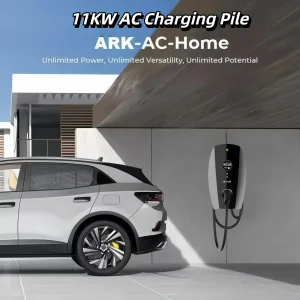
Any Level 2 EV charger factory looking to enter the Belgian market must prioritize safety and regulatory compliance. The AREI (Algemeen Reglement op de Elektrische Installaties) or RGIE (Règlement Général sur les Installations Électriques) is the bible of electrical safety in Belgium. Chargers must feature integrated DC leakage protection (RCMU) to prevent the need for expensive Type B RCDs in the electrical cabinet, a feature that our 11kW and 22kW models proudly include.
While many core components are manufactured in Level 2 EV charger factories in China, Belgium serves as a crucial hub for assembly, software integration, and logistics. Port of Antwerp-Bruges is a primary entry point for EV infrastructure components arriving from Asia, which are then distributed across the EU. This synergy between Chinese manufacturing efficiency and Belgian logistical expertise ensures that high-quality charging stations are readily available for the European Green Deal's objectives.
In cities like Ghent and Leuven, "Smart Cities" initiatives are integrating EV chargers with urban energy management systems. This means a Level 2 charger is no longer just a "dumb" plug; it is an IoT device. Our systems support OCPP (Open Charge Point Protocol), allowing Belgian operators to use local software platforms like Nexxtmove or BlueCorner to manage their networks seamlessly.
While 7.4kW (single-phase) is common in the UK and USA, Belgium’s widespread 3-phase infrastructure makes 11kW and 22kW Level 2 chargers the standard for commercial and high-end residential installations. This allows a typical EV, like a Tesla Model 3 or an Audi Q8 e-tron, to replenish significant range during a standard 4-hour meeting or dinner, making it the ideal "Destination Charging" solution.
Choosing the right supplier for Level 2 EV chargers in Belgium involves more than just looking at the hardware. It requires a partner who understands the local grid, the tax environment, and the future of smart energy. Hangzhou Volt Charger Co., Ltd. continues to provide the Belgian market with the robust, AI-enhanced, and safety-certified products needed to drive the country toward a zero-emission future. Whether it's for a private villa in Knokke or a massive industrial park in Liege, our solutions are designed to perform.
 Volt Charger