The global landscape of Wireless Power Transfer (WPT) for electric vehicles is undergoing a seismic shift. As the automotive industry pivots toward full electrification, the limitations of plug-in cables—such as mechanical wear, safety hazards in wet conditions, and the inconvenience of manual operation—have paved the way for inductive charging solutions. WPT technology, utilizing resonant inductive coupling, allows for "hands-free" energy replenishment, creating a seamless bridge between vehicles and the power grid.
Currently, major markets including North America, the European Union, and China are investing heavily in WPT infrastructure. The commercial sector, particularly autonomous fleet operators and public transit agencies, is leading the adoption. In cities like Oslo and London, wireless pads embedded in taxi ranks and bus stops are already demonstrating the feasibility of "snack charging"—brief, frequent charging sessions that keep vehicles operational throughout the day without human intervention.
The move from static pads in garages to electrified "e-highways" where EVs charge while driving at highway speeds.
AI-driven alignment systems that automatically park autonomous vehicles over charging pads with millimeter precision.
Bidirectional wireless charging (V2WPT) allowing cars to return power to the grid wirelessly during peak demand.
Industrial Trend Note: The standard power levels are shifting. While 3.7kW was the early standard, the industry is rapidly standardizing on 11kW and 22kW systems to compete with wired Level 2 chargers, ensuring that charging times remain comparable to traditional methods.
Procurement managers and infrastructure developers are no longer just looking for a "charger." They are seeking comprehensive Wireless Power Transfer ecosystems. Key requirements include:
As a leading hub for EV innovation, China offers unparalleled advantages in the WPT sector, led by companies like Hangzhou Volt Charger Co., Ltd.
Proximity to lithium mines and electronic component clusters ensures lower costs and faster production cycles compared to Western counterparts.
Our ability to prototype and test new magnetic resonant designs allows us to bring the latest efficiency gains to market 30% faster.
Through advanced automation in our Hangzhou facility, we provide CE and UL-certified products at a fraction of the cost of local assembly.
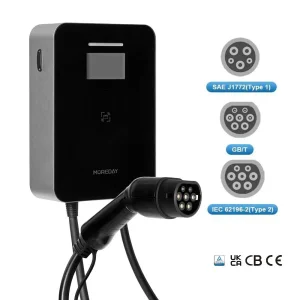
Hangzhou Volt Charger Co., Ltd. is a leading innovator in the electric vehicle (EV) charging industry, specializing in Portable & DC EV Chargers, EV Charging Adapters, and Smart Energy Solutions. Established in Hangzhou, China, the company has rapidly gained a reputation for delivering high-quality, reliable, and technologically advanced charging products that meet the evolving demands of EV owners and businesses worldwide.
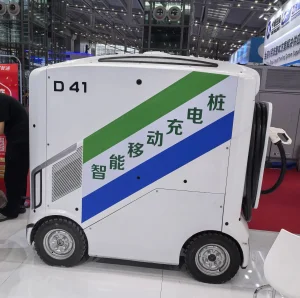
With a commitment to sustainability and innovation, Hangzhou Volt Charger integrates cutting-edge technology into its product portfolio, offering fast, efficient, and safe charging solutions suitable for home, workplace, and public applications. Its portable chargers provide convenience for EV users on the go, while its DC fast chargers ensure rapid energy replenishment for commercial fleets and public charging stations.
The company also develops intelligent charging adapters and energy management systems, enabling seamless connectivity, real-time monitoring, and optimized power usage. By combining robust hardware with smart software, Hangzhou Volt Charger empowers clients to reduce energy costs, enhance charging efficiency, and future-proof their EV infrastructure.
Serving global markets with an emphasis on quality, safety, and customer satisfaction, Hangzhou Volt Charger Co., Ltd. is dedicated to accelerating the adoption of electric mobility and supporting a greener, smarter, and more sustainable transportation ecosystem.
Homeowners can eliminate the hassle of cables. Simply park the car over the magnetic pad, and the system automatically initiates charging during off-peak hours, managed via a mobile app.
For logistics companies using electric vans, wireless charging allows for continuous operation. Vehicles can charge while loading/unloading at the dock, maximizing uptime without extra labor.
Wait times at taxi stands become productive charging sessions. This "trickle-up" approach ensures drivers never face range anxiety during long shifts in the city.
Self-driving shuttles cannot plug themselves in. Wireless power transfer is the enabling technology that makes truly autonomous urban mobility possible.
 Volt Charger