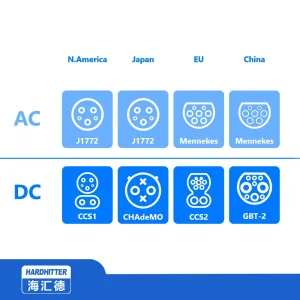
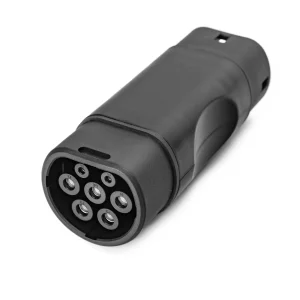
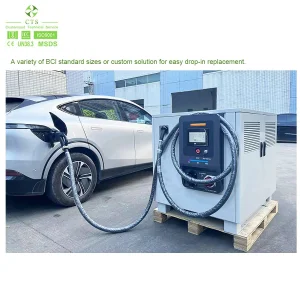
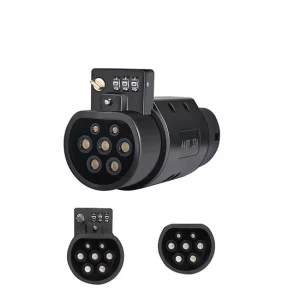
The global electric vehicle (EV) market is witnessing an unprecedented transition from internal combustion engines to sustainable electric power. At the heart of this transition lies the critical infrastructure of Type 2 Charging Cables (IEC 62196). Originating in Europe, the Type 2 standard has now become the universal benchmark for AC charging across most of the world, including Southeast Asia, Australia, and parts of South America.
As governments implement stricter emission regulations and offer incentives for EV adoption, the demand for Type 2 cables—used for both home wallboxes and public AC charging stations—is skyrocketing. Industry analysts estimate that the EV charging cable market will grow at a CAGR of over 20% through 2030, driven by the expansion of public charging networks and the rise of private EV ownership.
Technological maturity has allowed Type 2 cables to support both single-phase and three-phase charging, offering versatility for residential (7kW) and commercial (22kW) environments. This adaptability makes them the "golden bridge" between the power grid and the electric vehicle, ensuring safety, efficiency, and reliability in every charge.
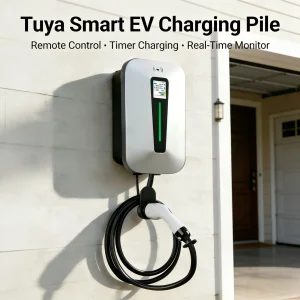
Modern Type 2 cables are no longer "dumb" wires. Integration with mobile apps, Wi-Fi, and RFID allows users to monitor charging sessions, schedule off-peak charging, and manage energy consumption in real-time.
The shift from standard PVC to TPU (Thermoplastic Polyurethane) cables offers superior resistance to abrasion, oils, and UV radiation, extending the lifespan of cables in harsh outdoor environments.
Advanced internal copper wire configurations and cooling technologies are making high-power cables thinner, lighter, and more portable without sacrificing safety or performance.
Global buyers, ranging from automotive OEMs to large-scale infrastructure developers, are increasingly seeking reliable partners in the Type 2 cable supply chain. The procurement focus has shifted from "lowest price" to "certified quality and supply chain stability."
Residential Charging: Homeowners require lightweight, flexible cables that integrate with home energy management systems (HEMS) and solar panels.
Commercial Fleets: Logistic companies demand heavy-duty, high-usage cables that can withstand hundreds of plug-in cycles daily across delivery van fleets.
Public Charging Hubs: Operators look for tethered Type 2 solutions that are vandal-resistant and capable of communicating with billing back-ends via OCPP protocols.
Hangzhou Volt Charger Co., Ltd. is a leading innovator in the electric vehicle (EV) charging industry, specializing in Portable & DC EV Chargers, EV Charging Adapters, and Smart Energy Solutions. Established in Hangzhou, China, the company has rapidly gained a reputation for delivering high-quality, reliable, and technologically advanced charging products that meet the evolving demands of EV owners and businesses worldwide.
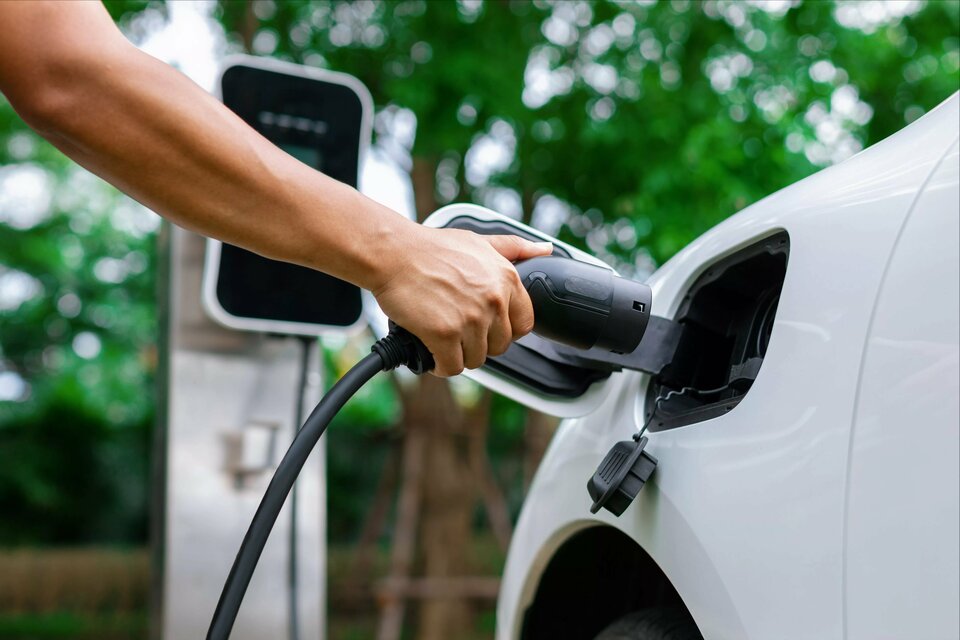
With a commitment to sustainability and innovation, Hangzhou Volt Charger integrates cutting-edge technology into its product portfolio, offering fast, efficient, and safe charging solutions suitable for home, workplace, and public applications. Its portable chargers provide convenience for EV users on the go, while its DC fast chargers ensure rapid energy replenishment for commercial fleets and public charging stations.
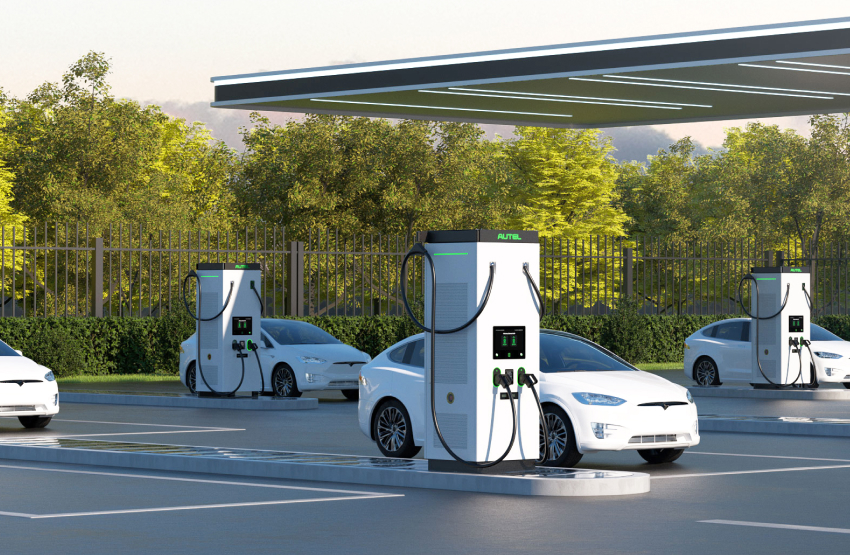
The company also develops intelligent charging adapters and energy management systems, enabling seamless connectivity, real-time monitoring, and optimized power usage. By combining robust hardware with smart software, Hangzhou Volt Charger empowers clients to reduce energy costs, enhance charging efficiency, and future-proof their EV infrastructure.
Serving global markets with an emphasis on quality, safety, and customer satisfaction, Hangzhou Volt Charger Co., Ltd. is dedicated to accelerating the adoption of electric mobility and supporting a greener, smarter, and more sustainable transportation ecosystem.
When selecting a supplier, industry leaders often look toward these top manufacturers known for their innovation, manufacturing capacity, and certification standards:
China controls over 70% of the world's EV battery and component supply chain, ensuring raw material availability and lower production costs for copper and TPU.
Chinese factories like Hangzhou Volt Charger can move from design to mass production in weeks, allowing for faster integration of new smart features.
Leading Chinese exporters utilize state-of-the-art testing labs to ensure every cable meets European IEC 62196 standards and IP-ratings.
 Volt Charger