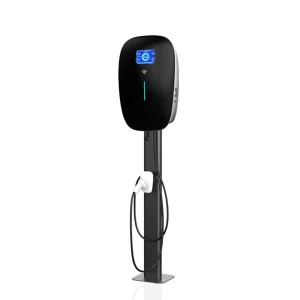
Hot Sale RFID/Wi-Fi/4G/Enthernet CE Approved Charger Level 2 Commercial EV Charging Stations Wallbox
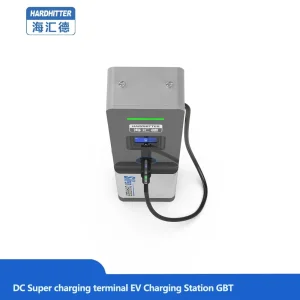
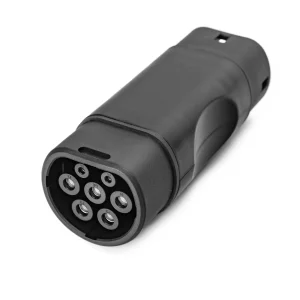
GB/T to Type 2 EV Charging Adapter for Charge Vehicles Outside of Dedicated EV Charging Stations
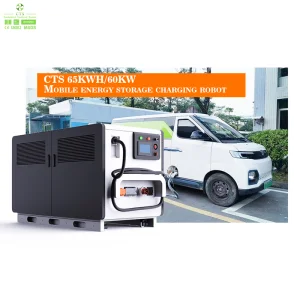
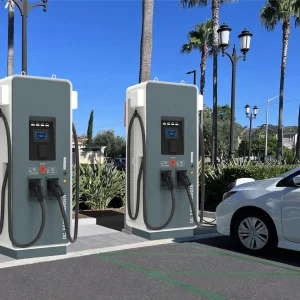
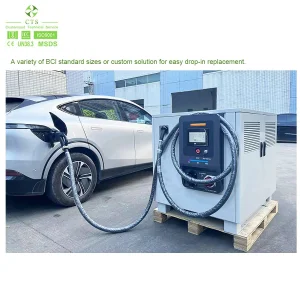
DC Fast EV Charging 65kwh 141kwh 200kwh Support 60kw 120kw CCS1/2 Output Car Battery Charging System
DC Fast EV Charging 65kwh 141kwh 200kwh Support 60kw 120kw CCS1/2 Output Car Battery Charging System
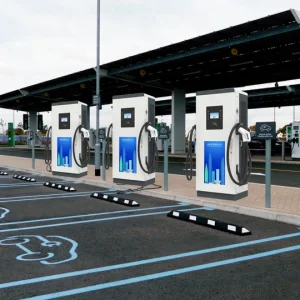
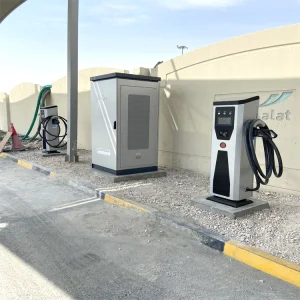
Electric School Bus Charging Stations EV Fleet Charging Solutions
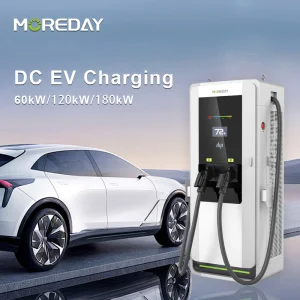
The global shift toward electric mobility is no longer a futuristic vision but a present-day industrial revolution. High Power Charging Stations (HPC) have emerged as the critical backbone supporting this transition. As governments worldwide implement stringent emission regulations, the demand for ultra-fast charging infrastructure has skyrocketed. In Europe, the AFIR (Alternative Fuels Infrastructure Regulation) is mandating fast-charging hubs every 60km along major highways. Meanwhile, in North America, the NEVI program is injecting billions into a national EV charging network.
Commercial and industrial sectors are leading the charge. From logistics giants converting their fleets to electric trucks to shopping malls providing premium DC fast charging as a value-added service, the application of High Power Charging is diversifying. The "Range Anxiety" of the past is being replaced by "Charging Convenience," driven by stations capable of delivering 120kW, 240kW, or even 350kW of power, reducing charging times from hours to mere minutes.
To handle ultra-high currents without overheating, liquid-cooled cables and connectors are becoming the standard for 350kW+ stations.
Intelligent power scheduling and AI-driven load balancing ensure maximum efficiency without overstressing the local grid.
Vehicle-to-Grid (V2G) technology allows EV batteries to give power back to the grid during peak demand, turning EVs into mobile energy storage.
The convergence of renewable energy and EV charging is another major trend. Solar-integrated charging stations equipped with BESS (Battery Energy Storage Systems) are being deployed in remote areas and green-certified buildings. This localized energy cycle reduces dependence on the utility grid and lowers the carbon footprint of every mile driven. As a leading China High Power Charging Stations Factory, we are at the forefront of integrating these technologies into modular, scalable products.
Furthermore, the standardization of protocols like OCPP 2.0.1 and ISO 15118 is enabling "Plug & Charge" capabilities. This seamless interaction between the vehicle and the station eliminates the need for apps or RFID cards, providing a frictionless user experience that mirrors the simplicity of traditional fueling, but with much smarter underlying technology.
Procurement officers for municipal projects, fleet operators, and energy companies prioritize three things: Reliability, Scalability, and Certification. In the harsh environments of Nordic winters or Middle Eastern heat, charging stations must maintain peak performance. This is why our DC fast chargers undergo rigorous thermal and stress testing. Compliance with CE, UL, and TUV standards is non-negotiable for international market entry.
- Logistics Hubs: Rapid turnaround for delivery vans and heavy-duty electric trucks.
- Public Infrastructure: High-uptime stations located at highway service areas.
- Corporate Fleets: Managed charging solutions that integrate with company ERP systems to track energy usage and costs.
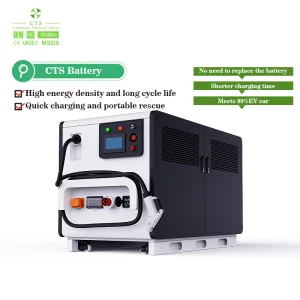
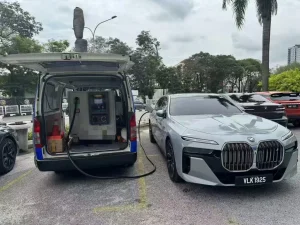
- Emergency Services: Mobile DC charging units for roadside assistance and disaster recovery.
As a premier China High Power Charging Stations Exporter, Hangzhou Volt Charger Co., Ltd. leverages the world's most robust electronics supply chain. Our factory integrates R&D, manufacturing, and quality control under one roof. This vertical integration allows us to offer high-performance charging solutions at a fraction of the cost of Western competitors, without compromising on quality or safety.
Our advantages include rapid prototyping for OEM/ODM clients, flexible firmware customization for local grid requirements, and a dedicated global support team. Whether you need a 30kW portable DC charger for a workshop or a 240kW dual-port station for a public hub, our production lines are optimized for both high-volume orders and specialized low-volume custom projects.
Hangzhou Volt Charger Co., Ltd. is a leading innovator in the electric vehicle (EV) charging industry, specializing in Portable & DC EV Chargers, EV Charging Adapters, and Smart Energy Solutions. Established in Hangzhou, China, the company has rapidly gained a reputation for delivering high-quality, reliable, and technologically advanced charging products that meet the evolving demands of EV owners and businesses worldwide.
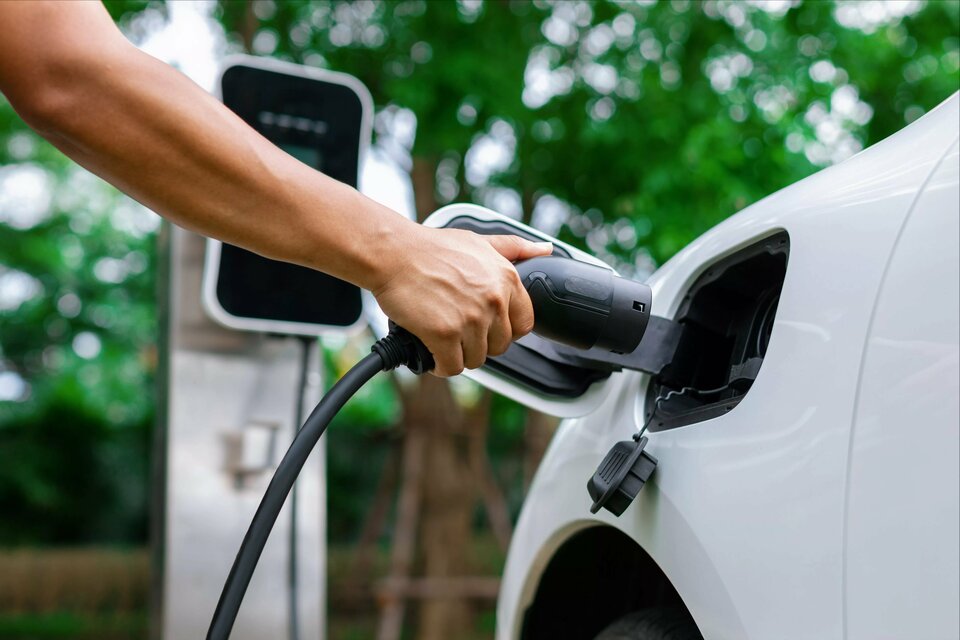
With a commitment to sustainability and innovation, Hangzhou Volt Charger integrates cutting-edge technology into its product portfolio, offering fast, efficient, and safe charging solutions suitable for home, workplace, and public applications. Its portable chargers provide convenience for EV users on the go, while its DC fast chargers ensure rapid energy replenishment for commercial fleets and public charging stations.
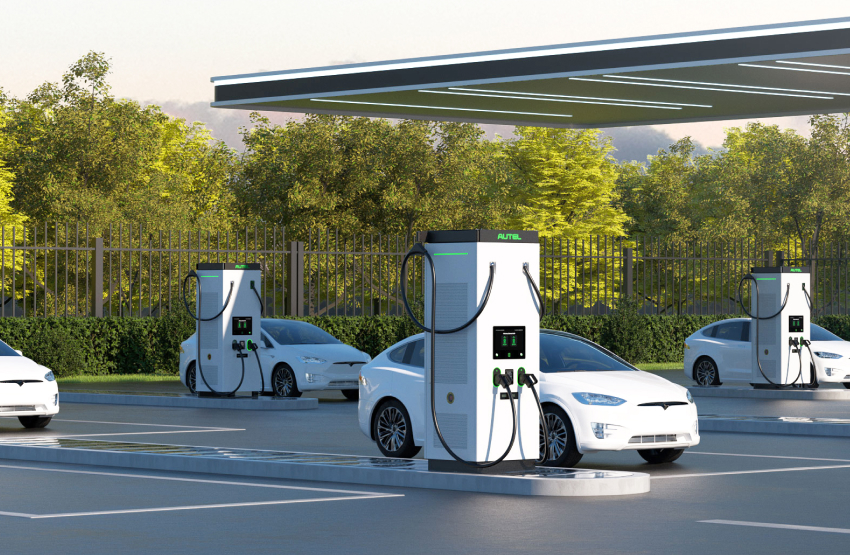
The company also develops intelligent charging adapters and energy management systems, enabling seamless connectivity, real-time monitoring, and optimized power usage. By combining robust hardware with smart software, Hangzhou Volt Charger empowers clients to reduce energy costs, enhance charging efficiency, and future-proof their EV infrastructure.
Serving global markets with an emphasis on quality, safety, and customer satisfaction, Hangzhou Volt Charger Co., Ltd. is dedicated to accelerating the adoption of electric mobility and supporting a greener, smarter, and more sustainable transportation ecosystem.
The term "High Power Charging" generally refers to DC charging systems capable of delivering power levels significantly higher than the standard 50kW chargers. Today, the industry benchmark has shifted towards 150kW, 240kW, and 350kW systems. These stations are essential for long-distance EV travel, where drivers expect to replenish 200-300km of range in under 15 minutes. As an experienced China High Power Charging Stations Exporter, we recognize that the hardware is only half the battle; the software integration and thermal management are what define a top-tier product.
Our engineering philosophy centers on modularity. By using high-efficiency power modules (such as 30kW or 40kW units), our stations are easily maintainable and upgradable. If one module fails, the station remains operational at a slightly lower power, ensuring a high uptime for the operator. This is particularly crucial for public charging infrastructure where reliability directly impacts the operator's revenue and reputation.
Investing in high power charging stations provides a clear ROI for commercial real estate owners. EV drivers tend to spend more time and money at locations where they can charge their vehicles quickly. For fleet owners, the benefits are even more direct: faster charging means less downtime for vehicles, allowing for more deliveries per day and a quicker transition to a fully electric, lower-maintenance fleet.
Hangzhou Volt Charger Co., Ltd. is not just selling hardware; we are selling a sustainable future. Every High Power Charging Station we export contributes to the reduction of global CO2 emissions. By making EV charging as convenient as gasoline refueling, we are removing the final barriers to mass EV adoption. Our smart energy systems also ensure that charging doesn't overload the grid, but rather works in harmony with it through peak-shaving and integration with renewable sources like solar and wind.
We have established a robust distribution and support network across Europe, Southeast Asia, and the Americas. Our commitment to quality is backed by comprehensive warranties and a responsive technical support team. When you partner with a China High Power Charging Stations Factory like Hangzhou Volt Charger, you are gaining a long-term ally in the green energy transition. We continue to innovate, pushing the boundaries of what is possible in power electronics and energy management.
 Volt Charger