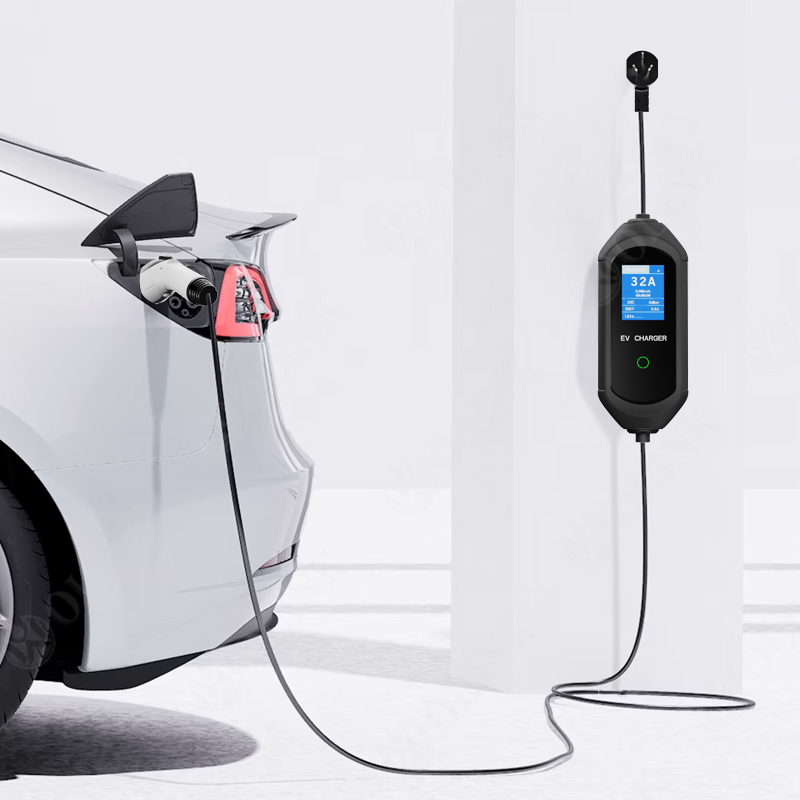
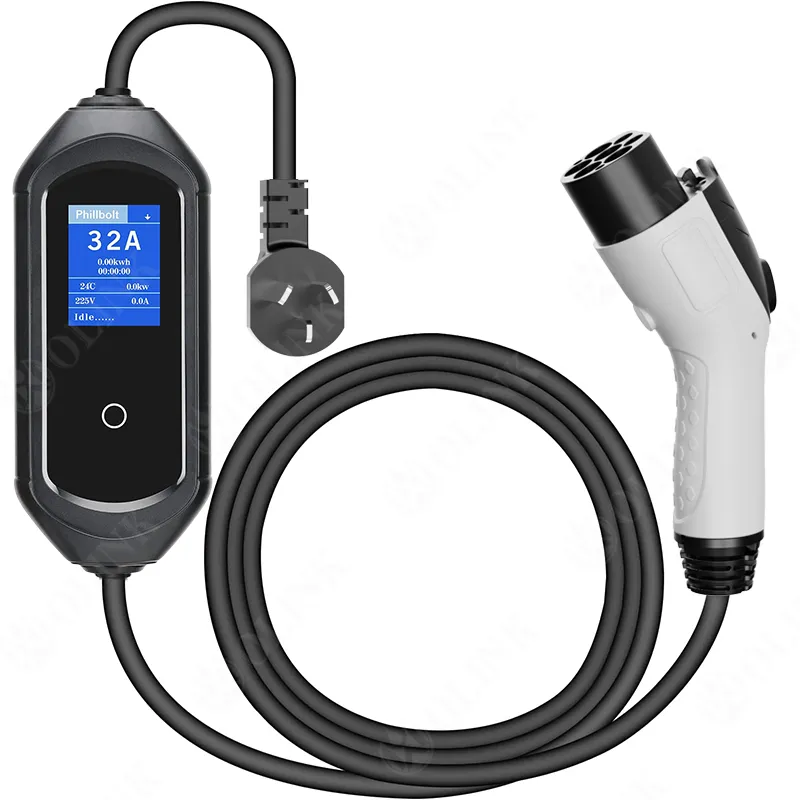
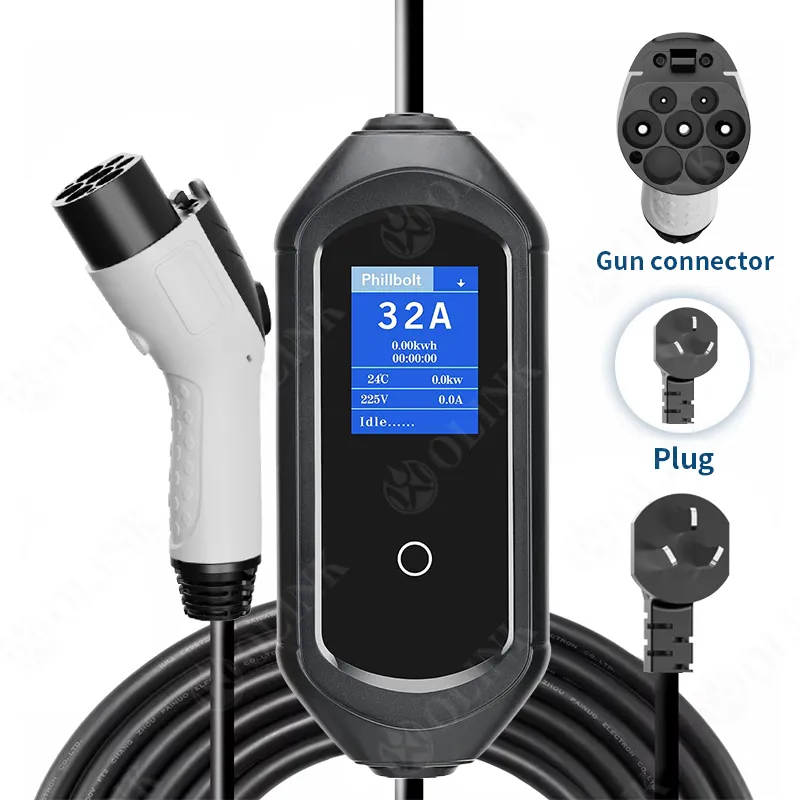
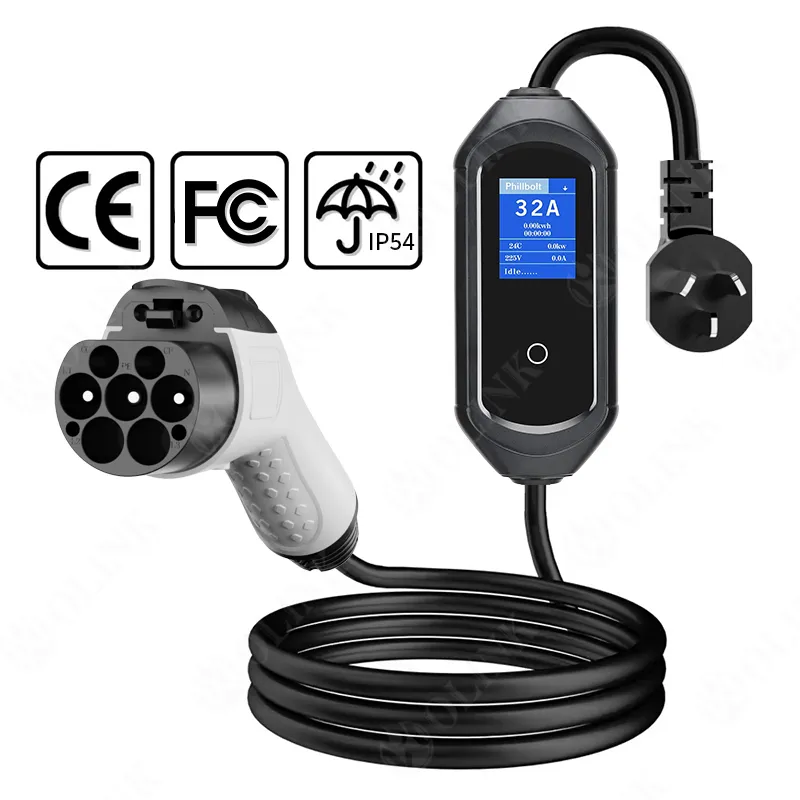
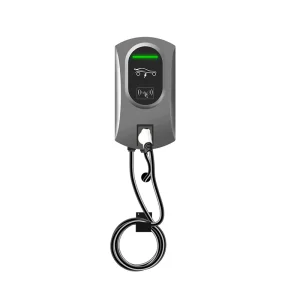
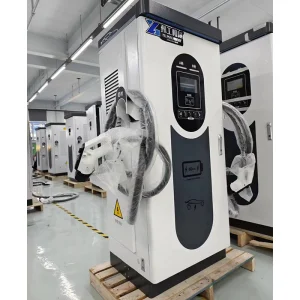
✓
Water Exposure: Ensure the EV charging box is never submerged in water.
✓
Cable Care: Avoid stepping on the cable or subjecting it to excessive bending or knotting.
✓
Impact and Pressure: Protect the EV charging box from impacts and do not place heavy objects on top of it.
✓
Heat Exposure: Do not position the charging cable near objects with high temperatures during the charging process.
✓
Temperature Range: Operate the device within the prescribed temperature limits, ranging from -30°C to 50°C.
✓
Power Supply: The input cable on the power supply side should have a minimum cross-section of 3*6mm².
✓
Installation: Installation and power distribution should be carried out by qualified professionals.
✓
Charging Connector: Do not insert fingers into the charging connector when the power plug is connected to the power supply.
✓
Damaged Cables: Do not use the EV charging box if the cable is damaged.
✓
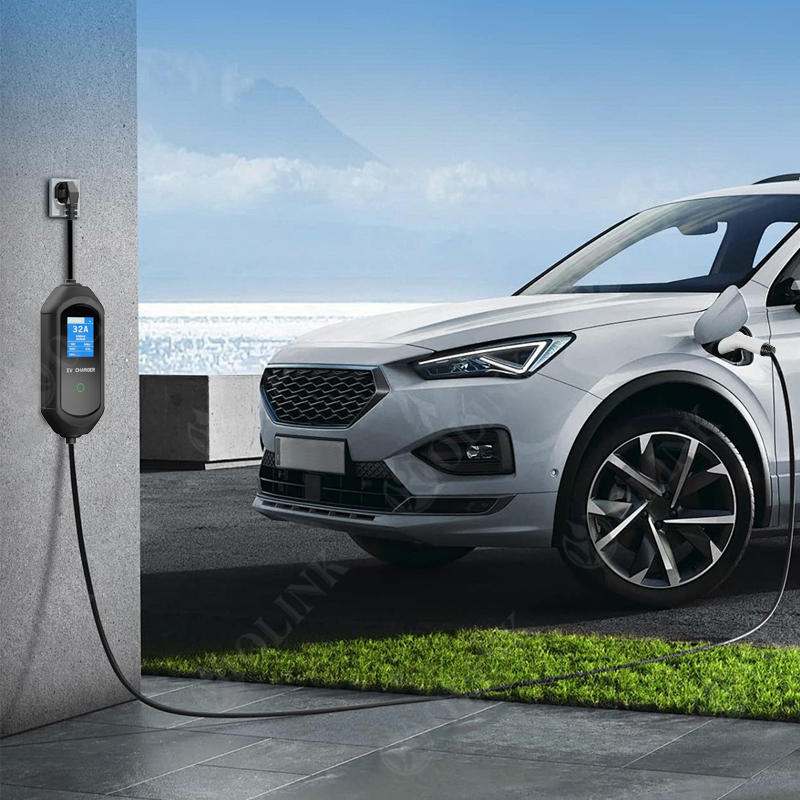
Designated Use: This EV charging box is exclusively designed for EV charging purposes.
?Frequently Asked Questions
Q1: What is the protection grade of this portable charging device?
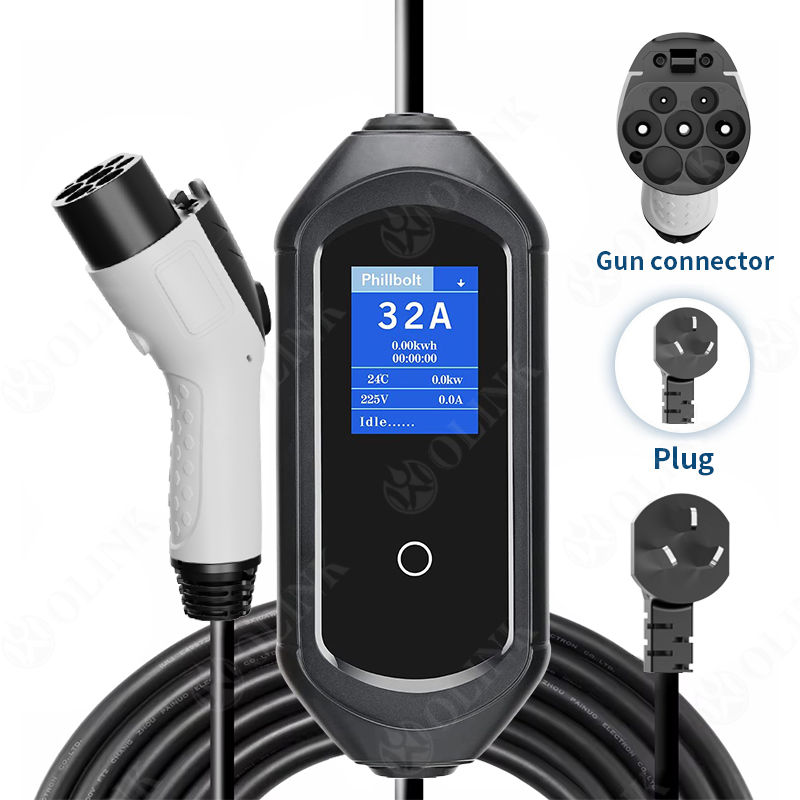
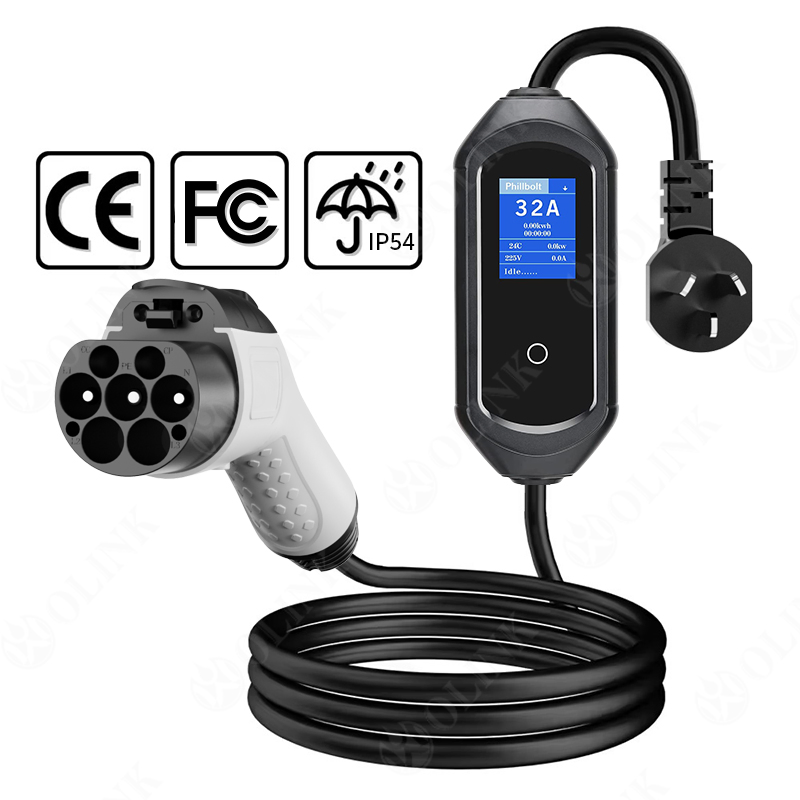
A: This device features an IP55 protection grade, ensuring it is protected against dust and low-pressure water jets from any direction.
Q2: What are the supported rated currents for charging?
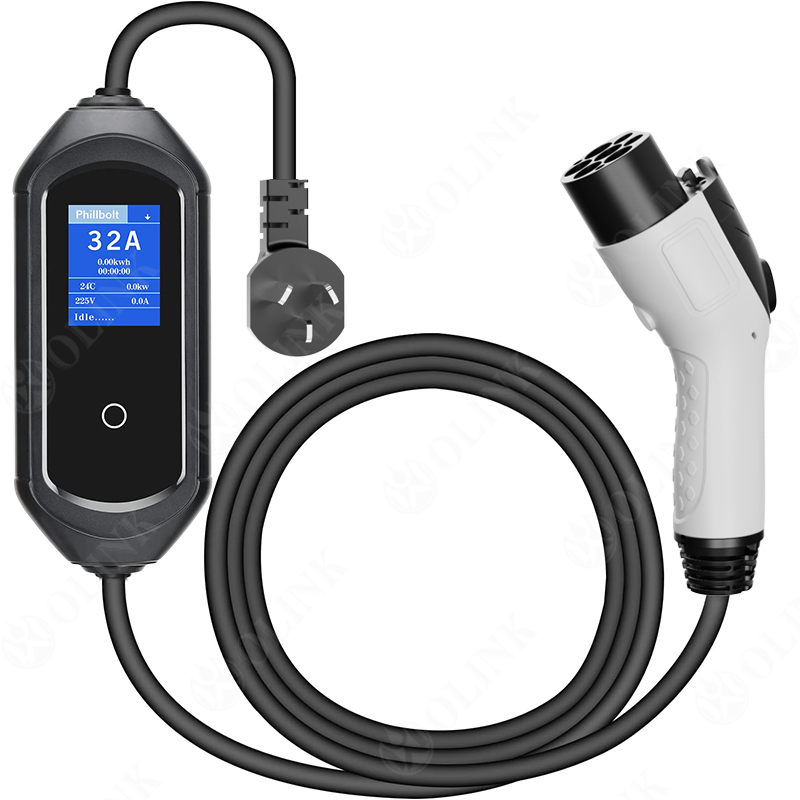
A: The device supports multiple current options including 16A, 32A, 40A, and 48A to suit different charging needs.
Q3: Can the device operate in extreme weather conditions?
A: Yes, the device is designed to operate within a wide temperature range from -30°C to +50°C.
Q4: How do I start the charging process?
A: The device uses a Remote Control start mode for convenient operation.
Q5: What is the maximum power output of this charger?
A: This portable EV charging device provides a maximum power output of 7kw.
Q6: What precautions should I take regarding the charging cable?
A: Avoid stepping on the cable, subjecting it to excessive bending or knotting, and ensure it is not near high-temperature objects during charging.
 Volt Charger