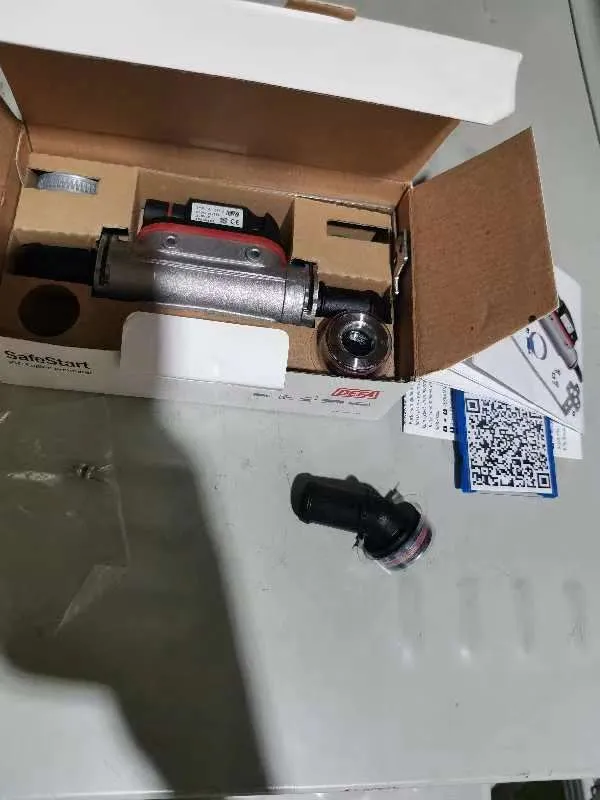
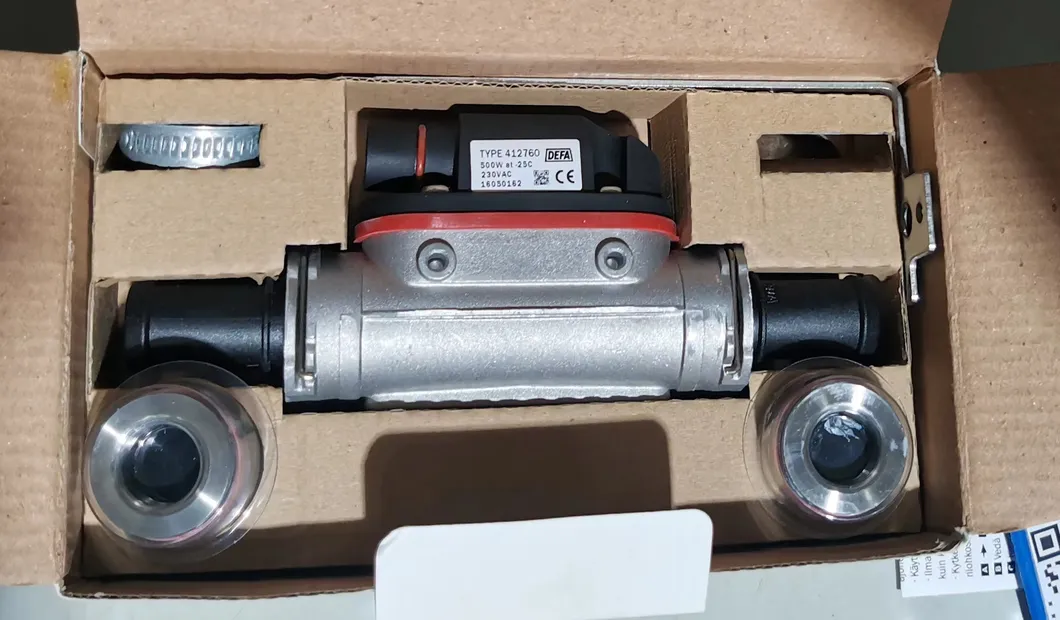
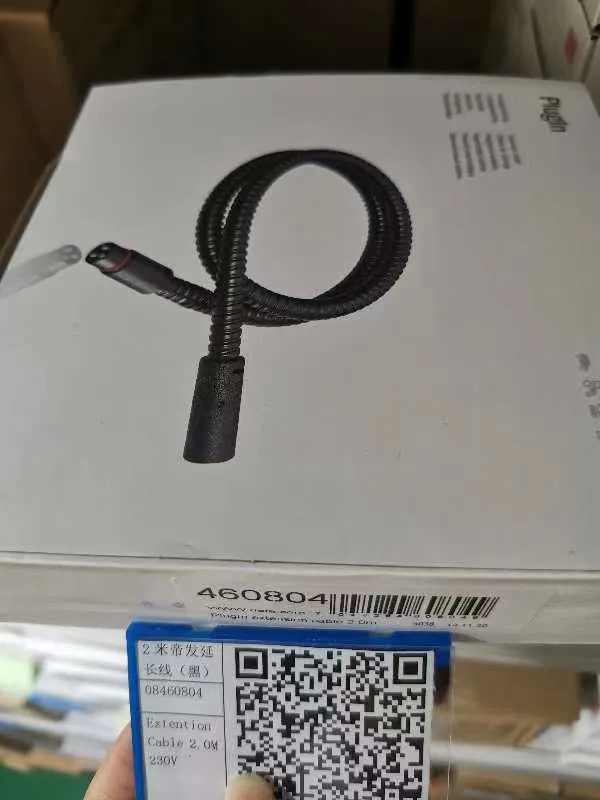
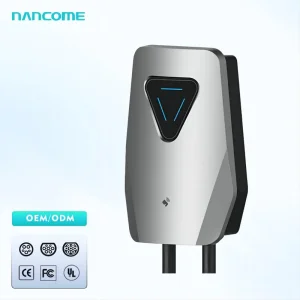
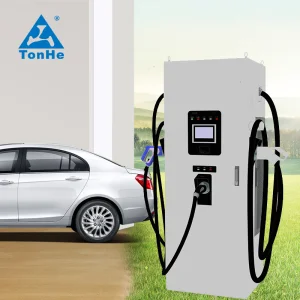
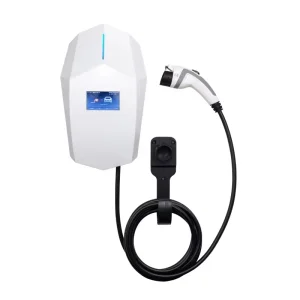
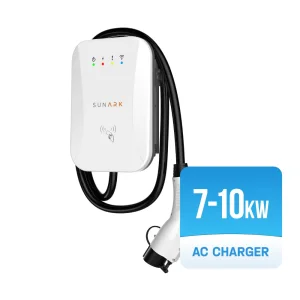
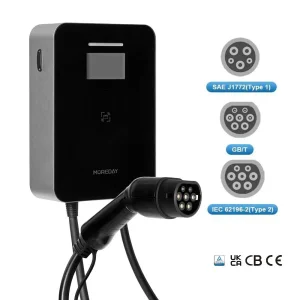
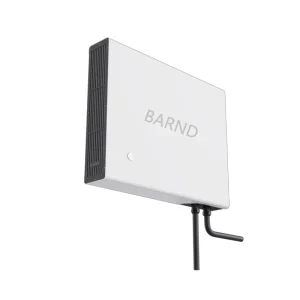
Basic Specifications
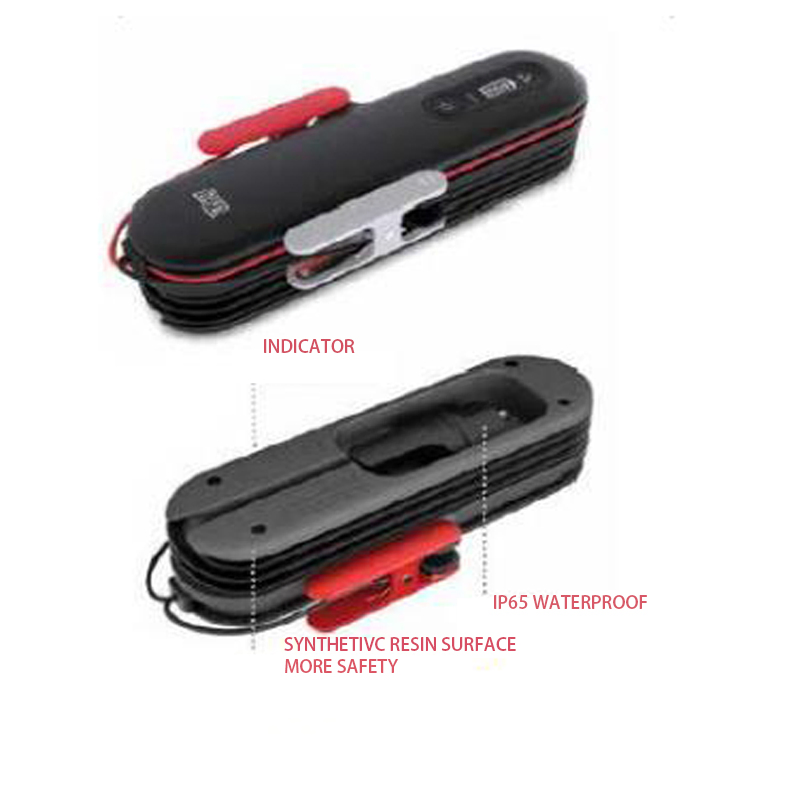
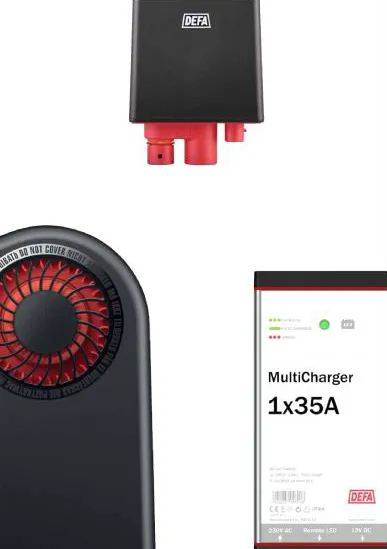
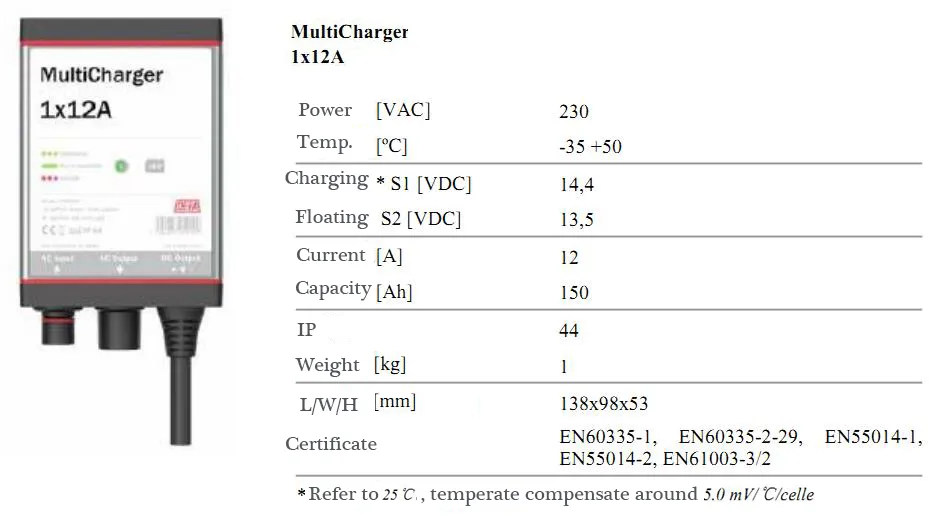
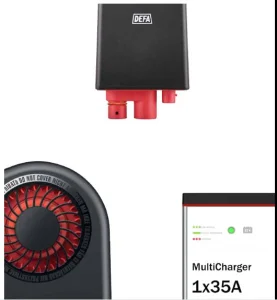
| Input Voltage |
160~250V |
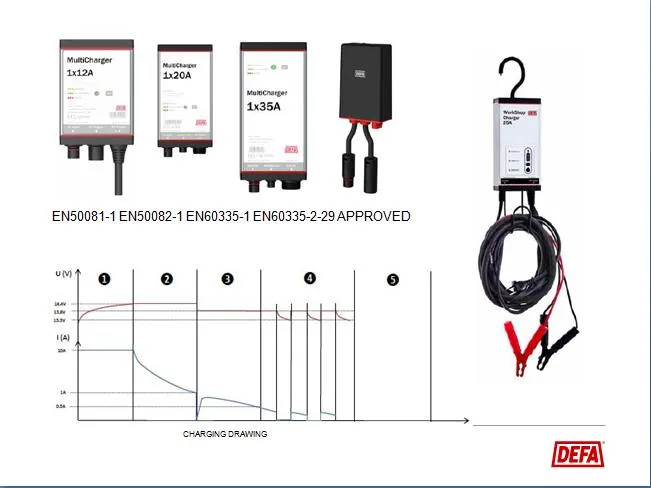
| Type |
Lead-Acid Battery Charger |
| Charging Type |
Electric Charger |
| Transport Package |
Paper Box |
| Specification |
200*98*53 |
| Production Capacity |
20000 set/Month |
Contact Heater vs. Coolant Heater
Performance Evaluation & Conclusions:
✔
A contact heater is most efficient for preheating the engine block and oil.
✔
Increases engine oil temperature approximately 30-35°C more than coolant element heaters.
✔
Increases engine block temperature approximately 20-25°C more than coolant heaters.
✔
Uses 42% less energy (300W) compared to a coolant heater (550W) to preheat the engine.
✔
Ensures evaporation of diesel in the system for reliable work in cold conditions.
✔
With WarmUp installed, you start the drive with 22°C in the cabin, reaching comfort levels significantly faster.
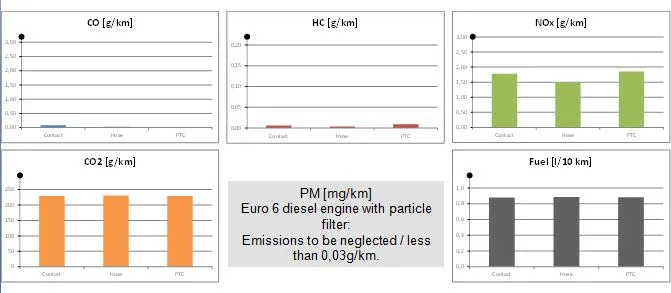
Emission Performance
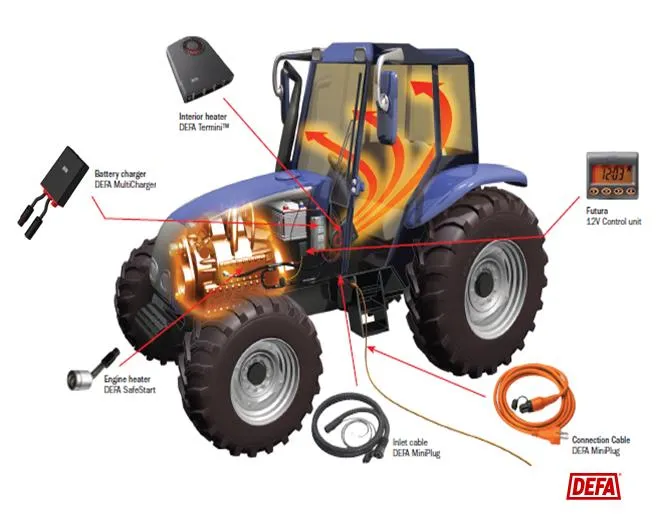
Application & Certificates
Quality Assurance

Global Reach

Product Examples
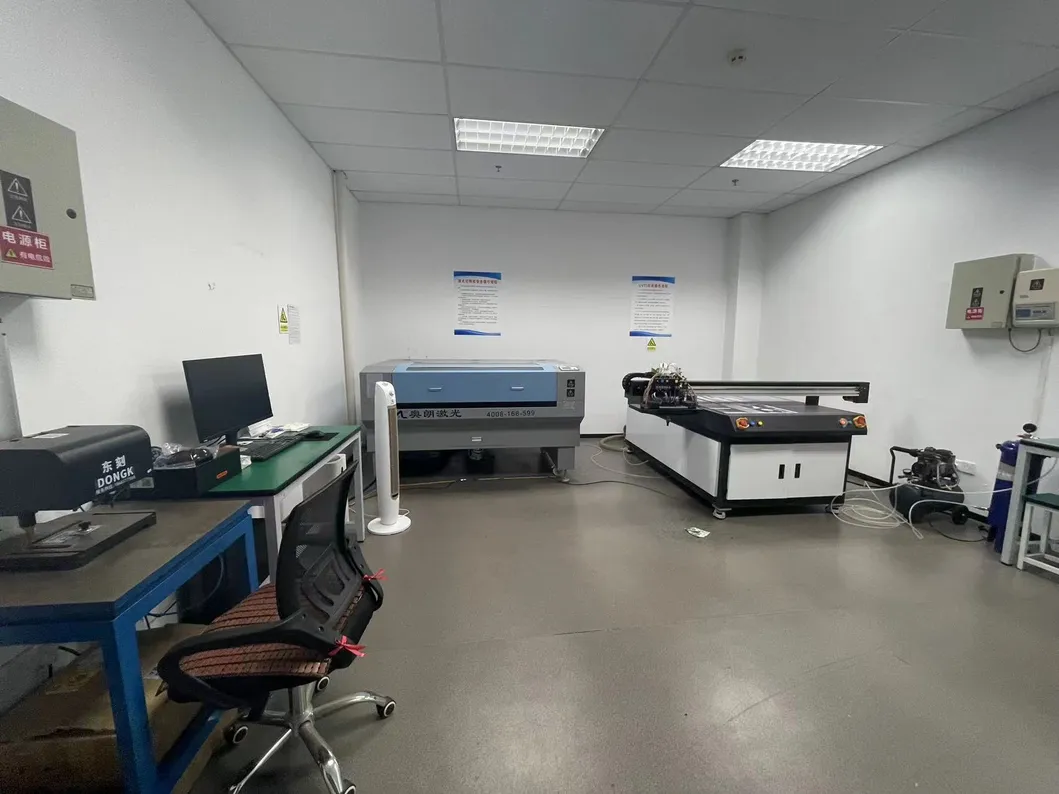
Professional Manufacturing
Frequently Asked Questions
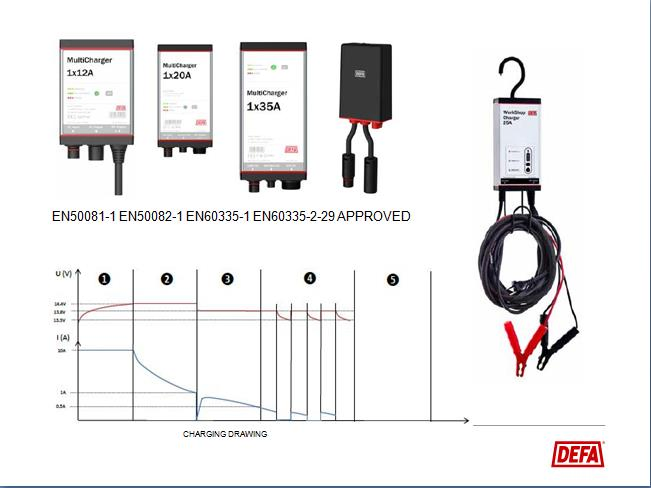
Q1: What is the input voltage range for this charger?
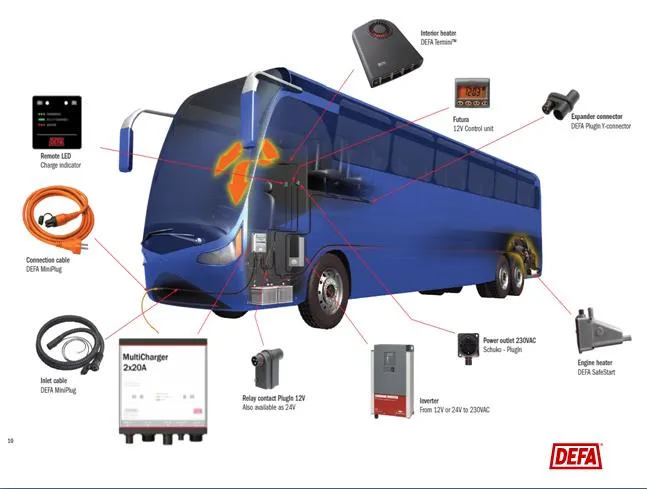
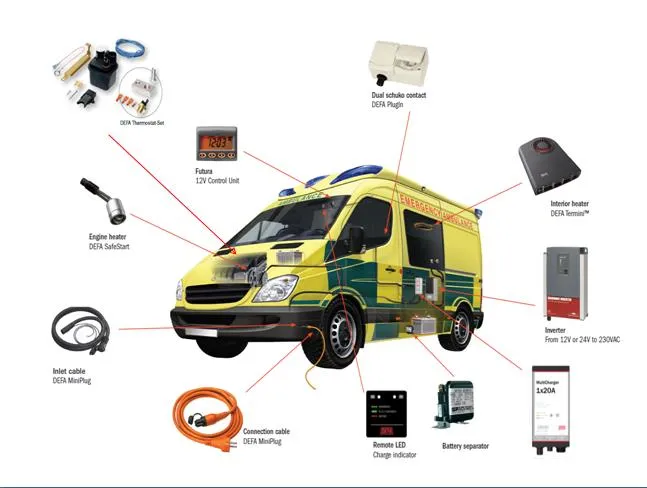
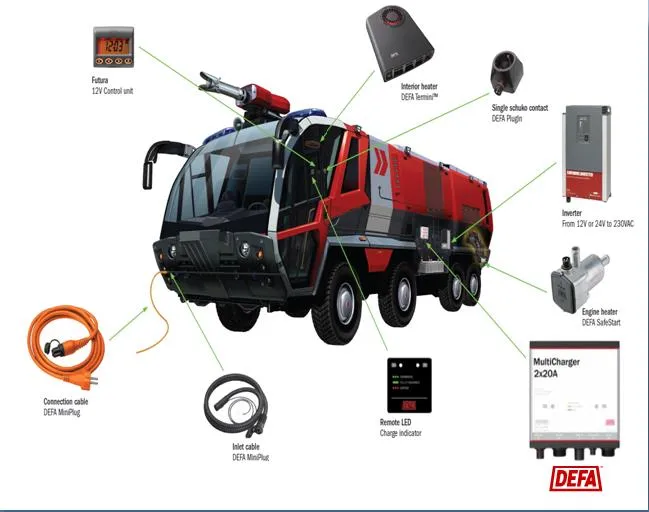
The multicharger supports a stable input voltage range of 160V to 250V.
Q2: Why is a contact heater preferred over a coolant heater?
A contact heater is more efficient at preheating the engine block and oil directly, increasing oil temperature by 30-35°C more than traditional coolant heaters.
Q3: How much energy can be saved using this system?
The 300W contact heater typically uses 42% less energy compared to a standard 550W coolant heater while providing better thermal results.
Q4: Does the WarmUp system improve winter driving comfort?
Yes. With the system installed, you can start your drive with a cabin temperature of approximately 22°C, even in cold conditions.
Q5: What is the monthly production capacity for these units?
We maintain a high production capacity of approximately 20,000 sets per month to ensure steady supply.
Q6: Is this charger compatible with Euro 6 engines?
Yes, tests have confirmed high efficiency when used with Euro 6 diesel engines, effectively reducing fuel consumption and emissions.
 Volt Charger