Frequently Asked Questions
What detection methods does the ZC-830 support?
The ZC-830 utilizes three primary non-intrusive methods: UHF (Ultra High Frequency), UA (Ultrasonic Analysis), and TEV (Transient Earth Voltage) to locate partial discharge defects.
How long does the battery last on a single charge?
The embedded 8.4V lithium battery provides up to 8 hours of continuous field operation, with a charging time of approximately 3 to 4 hours.
How much data can the device store?
The instrument includes a built-in memory capable of storing up to 4000 groups of test data for later review and analysis.
Is the device suitable for extreme environments?
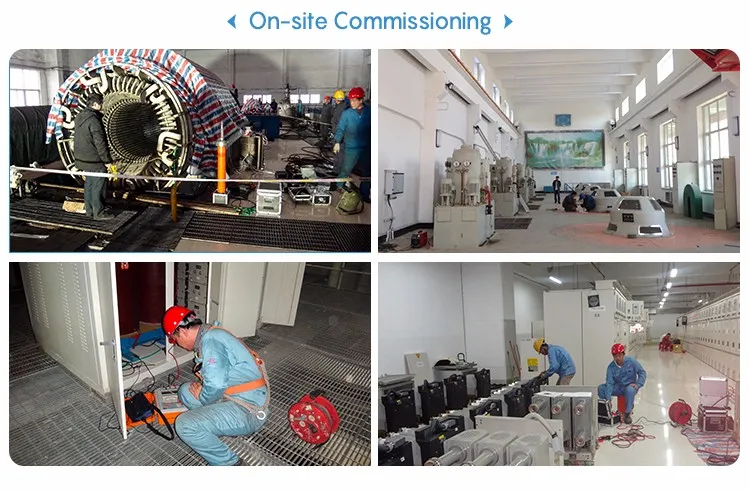
Yes, the device is designed to operate in temperatures ranging from -25ºC to 45ºC and can be stored in conditions from -35ºC to 60ºC.
What is included in the complete configuration?
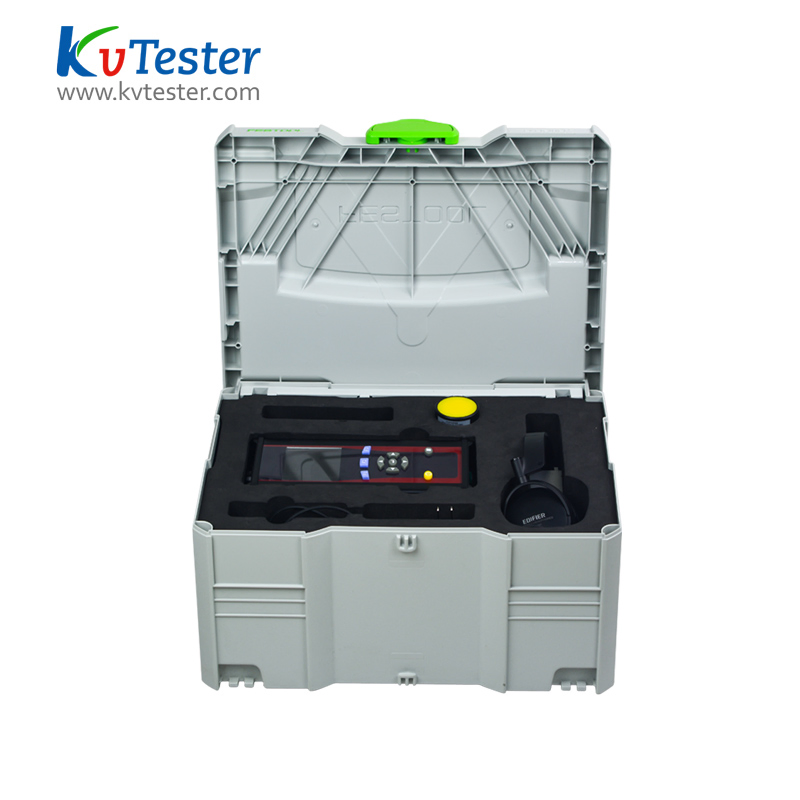
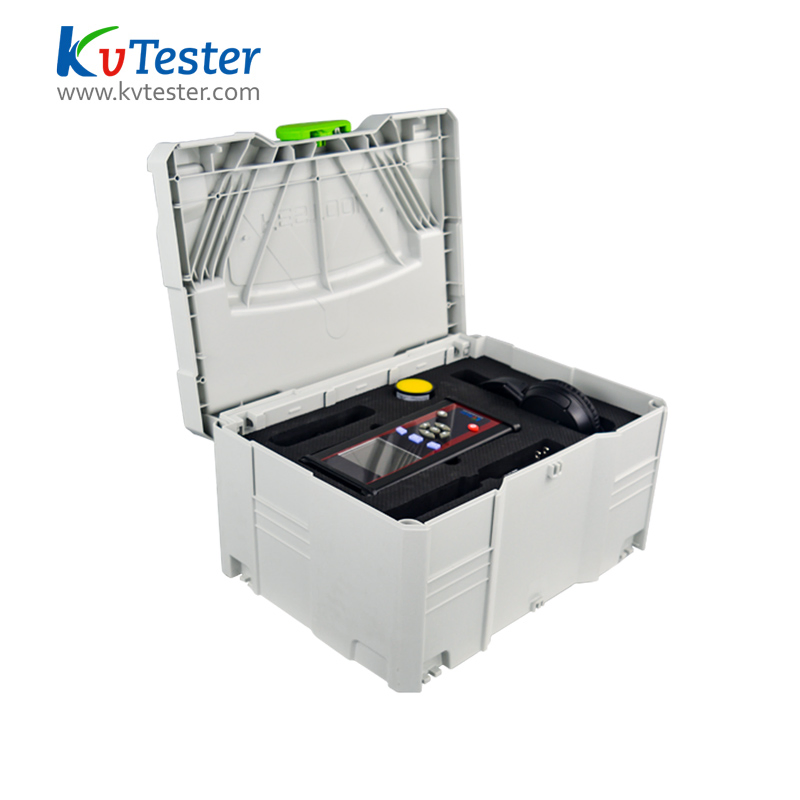
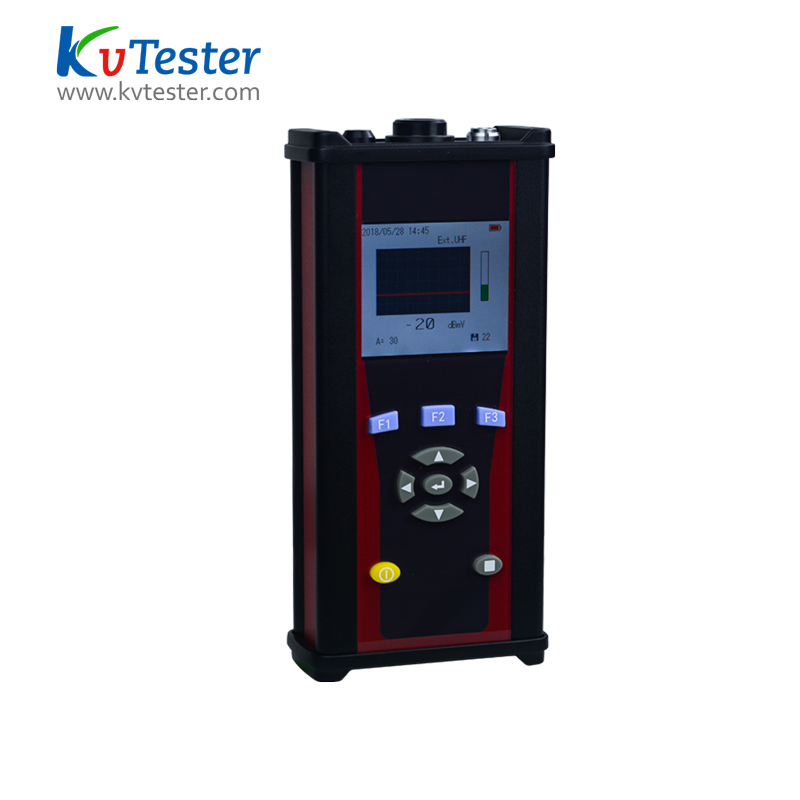
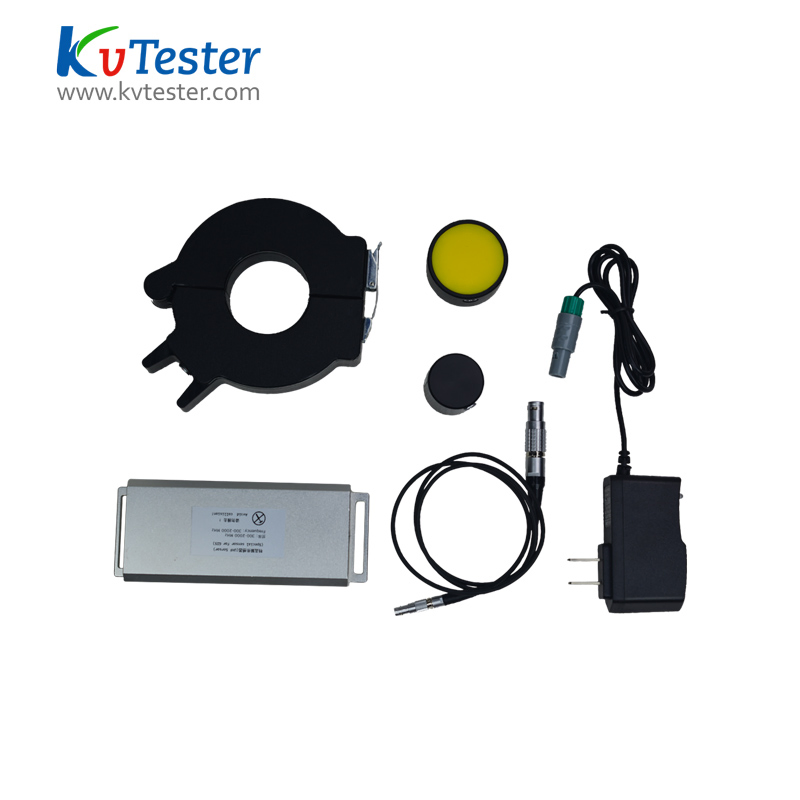
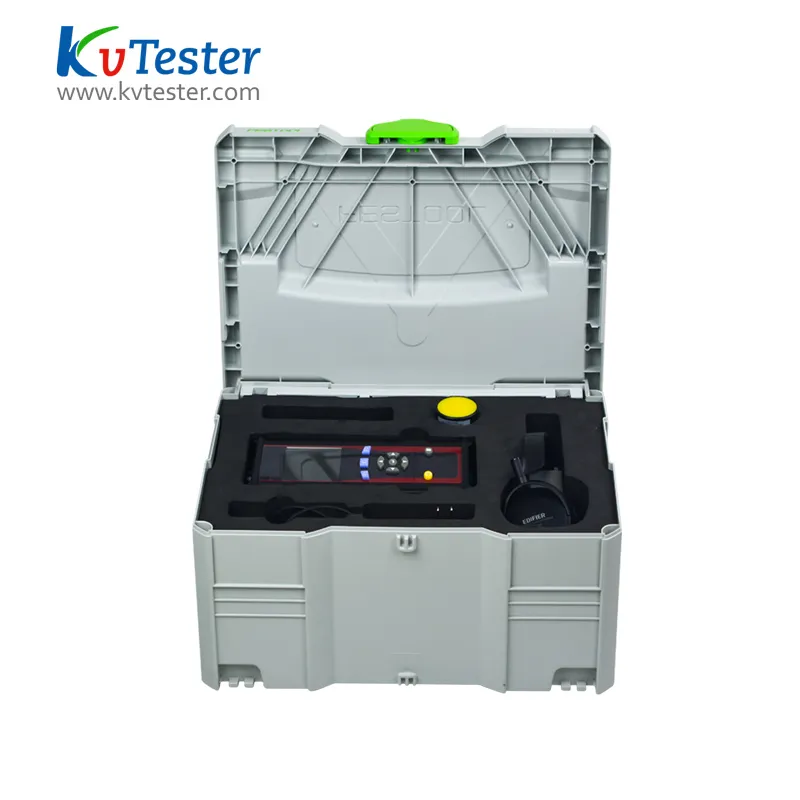
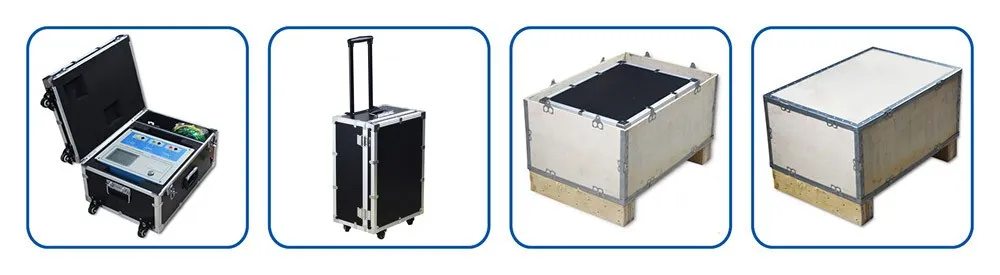
The complete package includes the host machine, sensors (UHF, Ultrasonic, TEV), an AC adapter, necessary connecting cables, and a rugged transport case.
What is the sensitivity of the ZC-830?
The minimum sensitivity is 10pC, though the exact detection capability depends on the specific distance between the sensor and the discharge source.
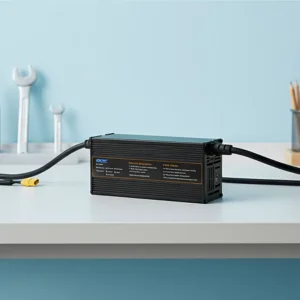
 Volt Charger