Engineered for high efficiency, multi-vehicle dispatch, and seamless integration in Kathmandu corporate networks
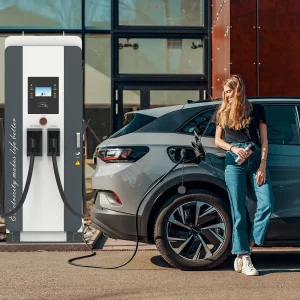
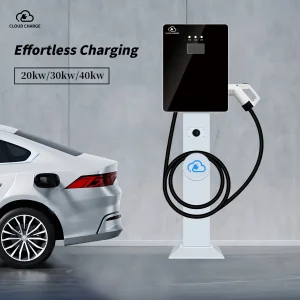
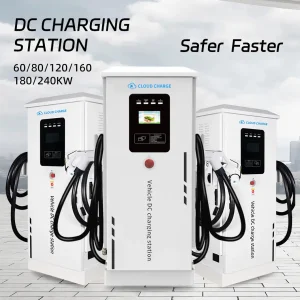

The Kathmandu Valley—comprising Kathmandu, Lalitpur, and Bhaktapur—is experiencing an unparalleled macro-economic transformation in commercial energy transition. Driven by Nepal's national strategy to leverage surplus hydroelectric energy generation (such as the Upper Tamakoshi and Arun III projects) and reduce reliance on imported fossil fuels, electric mobility has shifted from an environmental aspiration to a business imperative. Corporate headquarters, banking towers in Durbar Marg, technology campuses in Thapathali, logistics hubs along the Ring Road, and hospitality enterprises in Thamel are actively deploying workplace EV charging stations to accommodate employee fleets, corporate shuttles, and client transportation.
However, implementing commercial-grade charging infrastructure within Kathmandu presents unique engineering and infrastructural considerations. Power distribution networks across the valley face periodic voltage imbalances, seasonal monsoon humidity, urban dust accumulation, and stringent grid code requirements enforced by the Nepal Electricity Authority (NEA). Standard residential chargers fail to meet the rigorous demands of enterprise operation. Modern enterprise environments require advanced, heavy-duty workplace charging systems featuring Dynamic Load Management (DLM), multi-standard connector flexibility (CCS1, CCS2, GB/T, CHAdeMO), and robust surge isolation to ensure zero operational downtime.
Kathmandu enterprises leverage Nepal's domestic hydro-energy reserves, significantly reducing cost-per-kilometer for corporate fleets compared to thermal fuel alternatives.
Built-in galvanic isolation, overvoltage clamps, and active power factor correction protect chargers against Kathmandu's industrial grid irregularities.
Automated software platforms compliant with OCPP 1.6J allow corporate facility managers to track usage, bill employees in NPR, and cap peak demand charges.
Delivering high-reliability charging infrastructure from state-of-the-art engineering facilities to Himalayan commercial enterprises
Hangzhou Volt Charger Co., Ltd. is a leading innovator in the electric vehicle (EV) charging industry, specializing in Portable & DC EV Chargers, EV Charging Adapters, and Smart Energy Solutions. Established in Hangzhou, China, the company has rapidly gained a reputation for delivering high-quality, reliable, and technologically advanced charging products that meet the evolving demands of EV owners and businesses worldwide.
With a commitment to sustainability and innovation, Hangzhou Volt Charger integrates cutting-edge technology into its product portfolio, offering fast, efficient, and safe charging solutions suitable for home, workplace, and public applications. Its portable chargers provide convenience for EV users on the go, while its DC fast chargers ensure rapid energy replenishment for commercial fleets and public charging stations.
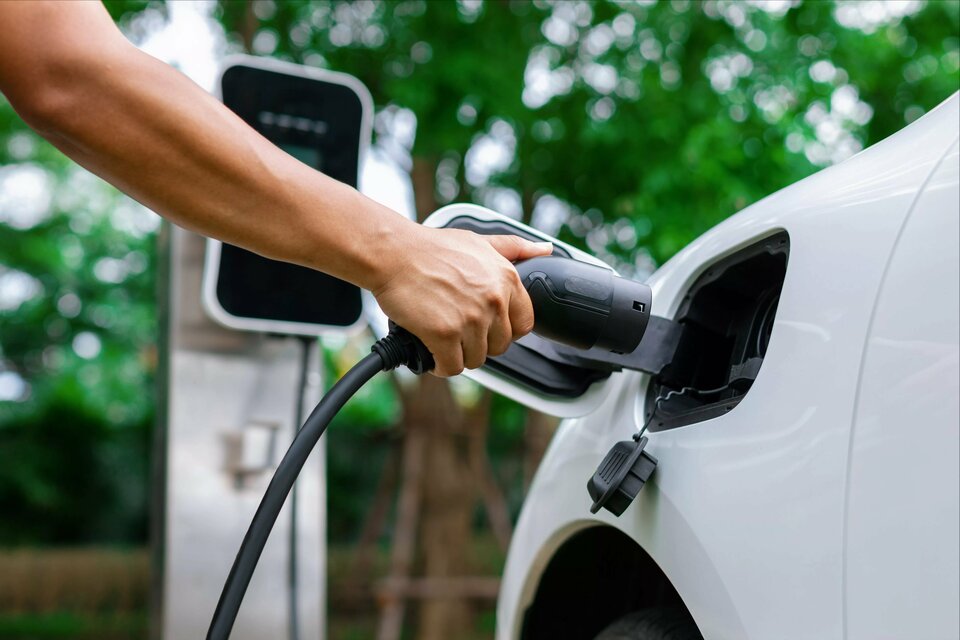
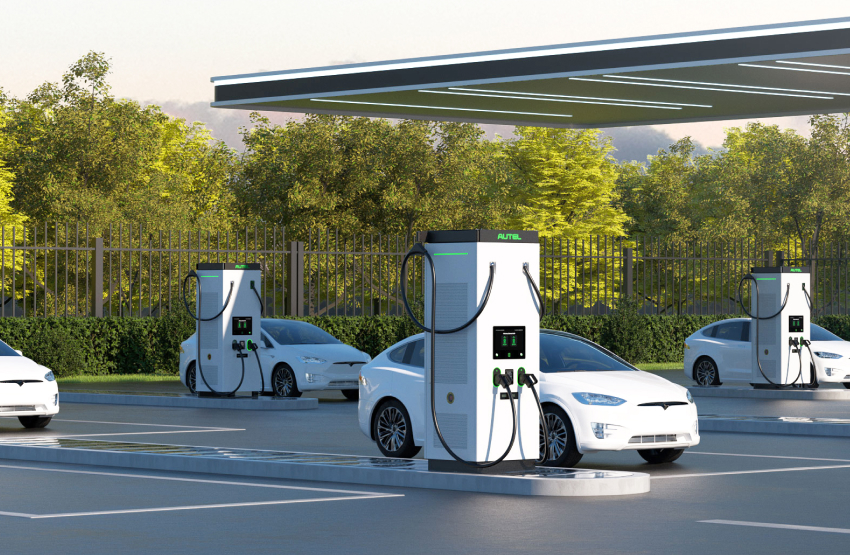
The company also develops intelligent charging adapters and energy management systems, enabling seamless connectivity, real-time monitoring, and optimized power usage. By combining robust hardware with smart software, Hangzhou Volt Charger empowers clients to reduce energy costs, enhance charging efficiency, and future-proof their EV infrastructure.
Serving global markets with an emphasis on quality, safety, and customer satisfaction, Hangzhou Volt Charger Co., Ltd. is dedicated to accelerating the adoption of electric mobility and supporting a greener, smarter, and more sustainable transportation ecosystem in emerging markets including Nepal and South Asia.
Commercial installations in Kathmandu demand tailored electrical engineering strategies. Electric vehicle fleets imported into Nepal originate from diverse manufacturing ecosystems: Chinese EVs (BYD, MG, Great Wall Motors using GB/T or CCS2), Indian models (Tata Nexon EV, Mahindra utilizing CCS2), and European/American imports (Tesla, Audi utilizing CCS1/CCS2). Suppliers serving the Kathmandu market must provide dynamic multi-connector compatibility alongside hardware that tolerates local climate extremes.
| Parameter | 20kW - 40kW Compact DC | 60kW - 120kW Mid-Range Fast | 160kW - 240kW Ultra-Fast Hub |
|---|---|---|---|
| Primary Application | Executive Garages & Boutique Offices | Commercial Parks & Corporate Fleets | Logistics Depots & Multi-Tenant Hubs |
| Input Voltage Range | 3-Phase 380V ± 15% (50Hz) | 3-Phase 380V ± 20% (50Hz) | 3-Phase 380V ± 20% (50Hz) |
| Connector Options | Single / Dual CCS2 / GB/T | Dual CCS1 / CCS2 / CHAdeMO / GB/T | Dual CCS2 High-Current Liquid-Cooled Ready |
| Enclosure Protection | IP54 Anti-Corrosion (C4/C5) | IP54 Outdoor Weatherproof | IP65 Heavy Industrial Cabinet |
| Communication Protocols | OCPP 1.6J / 4G / Wi-Fi / Ethernet | OCPP 1.6J & 2.0.1 / ISO 15118 | OCPP 1.6J & 2.0.1 / ISO 15118 / CAN |
| Efficiency Rating | ≥ 95.5% | ≥ 96.2% | ≥ 96.8% Peak Efficiency |
Deploying workplace EV charging stations yields substantial tangible and intangible dividends for Kathmandu-based corporate enterprises, real estate developers, and institutional facilities:
Replacing internal combustion engine (ICE) staff shuttles with electric vans charged via on-site DC stations reduces corporate fleet energy bills by up to 75% under NEA commercial electricity tariffs.
As EV adoption among Kathmandu professionals accelerates, providing reliable level 2 AC or DC fast charging as a workplace amenity serves as a high-value talent acquisition incentive.
Multinational companies operating in Nepal utilize verified localized charging metrics to fulfill corporate scope 2 emissions reduction goals, supporting international green building certifications (LEED/BREEAM).
Hangzhou Volt Charger works closely with local Nepalese engineering partners, civil contractors, and electrical engineering consultants to streamline the installation journey:
Expert answers regarding workplace EV charger procurement, compliance, and maintenance in Kathmandu
Hangzhou Volt Chargers are IP54 and IP65-rated with sealed electronic compartments, anti-corrosion cabinet treatments, and intelligent humidity sensors. Internal heater elements prevent condensation during high-humidity monsoons, while variable-speed cooling fans manage heat during hot summers.
Yes. Our chargers support universal standard interfaces including CCS2 (used by BYD, Tata, MG, Hyundai), GB/T (popular on imported Chinese electric models), and CCS1/CHAdeMO. Dual-gun systems can charge two different standards simultaneously.
A 60kW DC charger requires a 3-phase 380V/415V supply with a dedicated circuit breaker (typically 125A per phase). Hangzhou Volt Charger provides site evaluation guidelines to help your engineering team determine if existing transformers suffice or if load balancing modules are required.
Our DLM gateway measures total building current using CT clamps. When building AC usage or elevator demand spikes, the system automatically throttles the EV charger output power in real time, restoring full charging speeds when main building load subsides.
Yes, Hangzhou Volt Charger Co., Ltd. specializes in full OEM/ODM customization. We provide tailored enclosure designs, company branding/logos, customized screen UI in English or Nepali, and custom firmware integration.
Through OCPP 1.6J cloud connectivity, facility managers can monitor station status, initiate remote firmware updates (OTA), reset fault states, and inspect individual power module telemetry without physical on-site intervention.
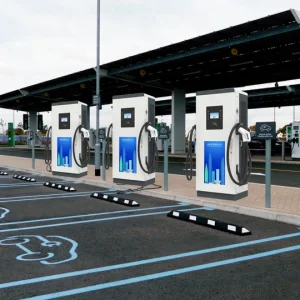
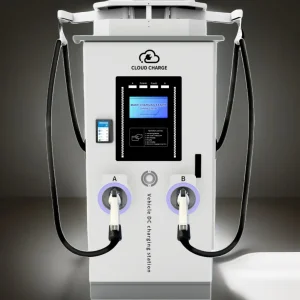
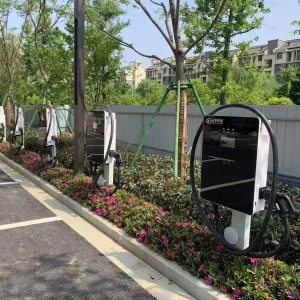
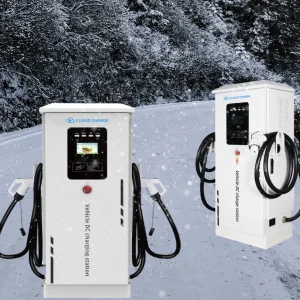
Versatile DC & AC Charging Hardware Designed for Global Standards & Reliable Field Operation
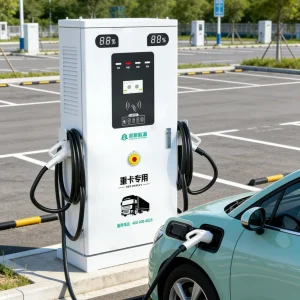
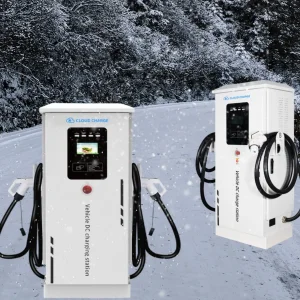
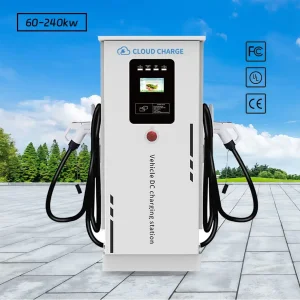
 Volt Charger