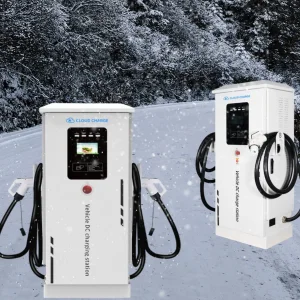
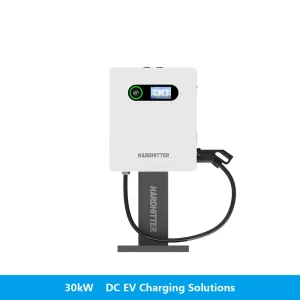
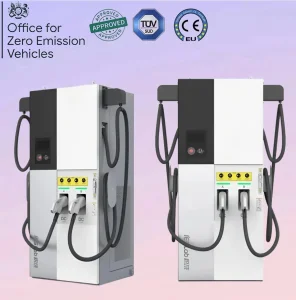
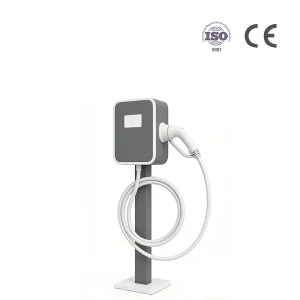
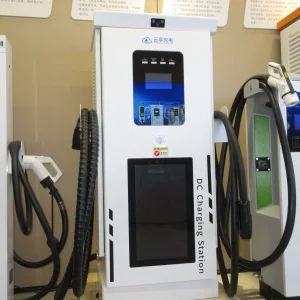
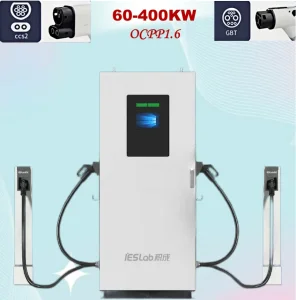
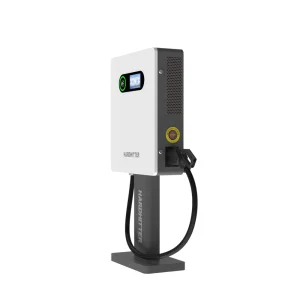
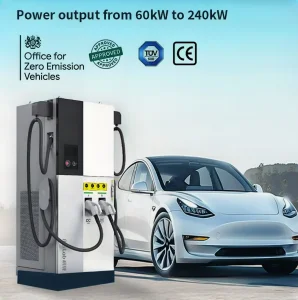
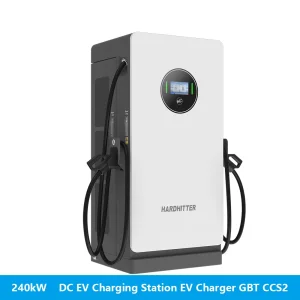
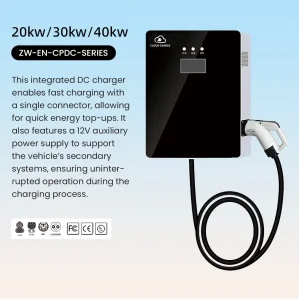
The city of Riyadh is currently undergoing a massive transformation, positioning itself as the central hub for electric vehicle (EV) adoption in the Middle East. Under the ambitious Saudi Vision 2030, the Kingdom aims for at least 30% of cars in Riyadh to be electric by 2030. This shift has catalyzed an unprecedented demand for robust Public EV Charging Infrastructure. As factories and suppliers converge in Riyadh, the focus is not just on importing technology, but on localized manufacturing and high-performance engineering capable of withstanding the unique Saudi climate.
The industrial landscape in Riyadh is shifting toward green technology. With the establishment of the Lucid Motors and Ceer (the first Saudi EV brand) factories in the region, the need for a comprehensive charging network has moved from a luxury to a critical infrastructure requirement. Public EV charging infrastructure in Riyadh is now being integrated into major development projects like New Murabba, King Salman Park, and the Diriyah Gate development. Suppliers are now providing specialized DC fast chargers that utilize advanced liquid cooling systems to ensure stability during the intense summer heat, where temperatures frequently exceed 50°C.
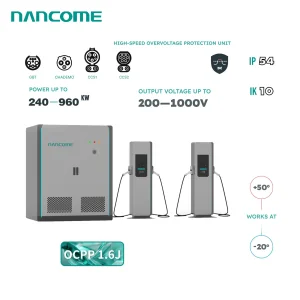
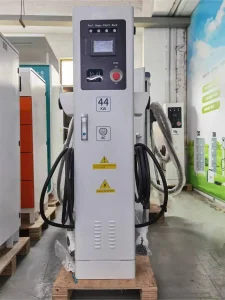
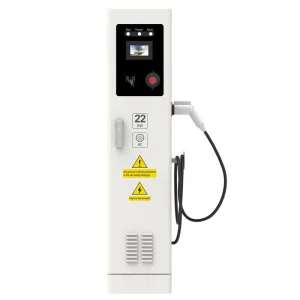
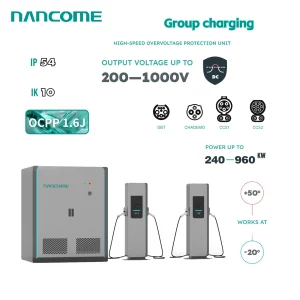
1. Ultra-Fast DC Hubs: The market is moving away from slow AC chargers in public spaces. In Riyadh, the trend is toward 120kW, 180kW, and even 360kW DC fast charging hubs that allow residents to charge their vehicles in under 20 minutes, mirroring the convenience of traditional petrol stations.
2. Solar-Integrated Charging: Given the abundance of solar energy in the Riyadh province, forward-thinking suppliers are integrating PV panels with EV stations. This "Solar-to-EV" model reduces the load on the SEC (Saudi Electricity Company) grid and offers a truly carbon-neutral transportation loop.
3. Smart Grid & AI Management: Riyadh's Smart City initiative demands that all public infrastructure be connected. Modern EV chargers now feature AI-driven load balancing to prevent grid surges during peak usage times in high-density areas like the King Abdullah Financial District (KAFD).
4. Localized Durability: Factories are now prioritizing "Desert-Grade" components. This includes IP65 or higher ingress protection to keep out fine sand and dust, along with UV-resistant coatings for outdoor cabinets to prevent degradation from high solar radiation.
Hangzhou Volt Charger Co., Ltd. is a leading innovator in the electric vehicle (EV) charging industry, specializing in Portable & DC EV Chargers, EV Charging Adapters, and Smart Energy Solutions. Established in Hangzhou, China, the company has rapidly gained a reputation for delivering high-quality, reliable, and technologically advanced charging products that meet the evolving demands of EV owners and businesses worldwide.
With a commitment to sustainability and innovation, Hangzhou Volt Charger integrates cutting-edge technology into its product portfolio, offering fast, efficient, and safe charging solutions suitable for home, workplace, and public applications. Its portable chargers provide convenience for EV users on the go, while its DC fast chargers ensure rapid energy replenishment for commercial fleets and public charging stations.
The company also develops intelligent charging adapters and energy management systems, enabling seamless connectivity, real-time monitoring, and optimized power usage. By combining robust hardware with smart software, Hangzhou Volt Charger empowers clients to reduce energy costs, enhance charging efficiency, and future-proof their EV infrastructure.
Serving global markets with an emphasis on quality, safety, and customer satisfaction, Hangzhou Volt Charger Co., Ltd. is dedicated to accelerating the adoption of electric mobility and supporting a greener, smarter, and more sustainable transportation ecosystem.
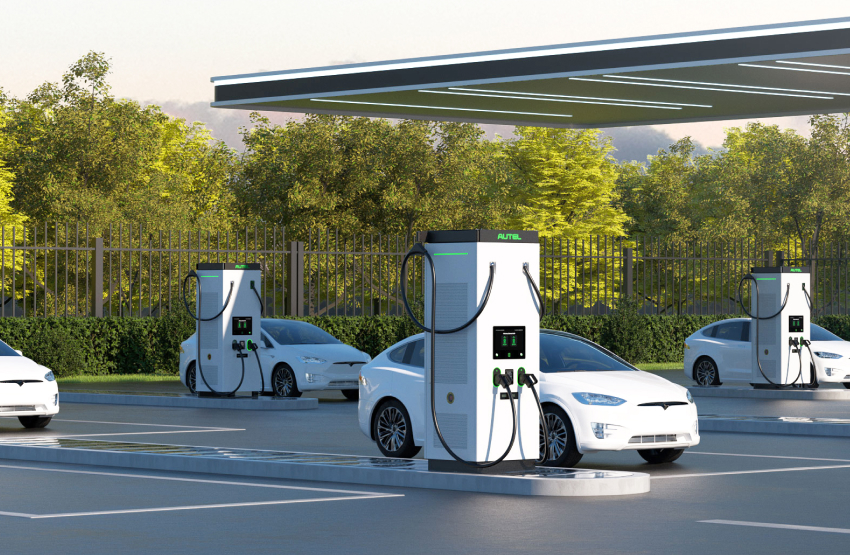
Deploying high-security, network-managed DC chargers at Riyadh's Diplomatic Quarter and Ministry buildings to support the transition of government fleets.
Installing dual-port AC/DC chargers at The Boulevard Riyadh City and Riyadh Park Mall, providing shoppers with fast-top-up capabilities while they dine and shop.
Heavy-duty megawatt charging solutions for the Riyadh Metro bus feeders and commercial electric trucks operating near King Khalid International Airport.
Establishing a public EV charging infrastructure in Riyadh requires more than just high-power chargers; it requires a strategic understanding of the Saudi Arabian electrical grid and regulatory environment. The Saudi Standards, Metrology and Quality Organization (SASO) has set strict guidelines for EVSE (Electric Vehicle Supply Equipment) to ensure safety and interoperability across the Kingdom. As a leading supplier, we ensure that all our stations are compliant with these local mandates.
Riyadh's geographical location presents challenges such as extreme thermal cycles and abrasive dust. Modern EV charging factories catering to Riyadh must implement advanced thermal management systems. For DC charging stations, this often involves high-efficiency fans with intelligent variable speeds and, for ultra-fast chargers, liquid-cooling loops for the charging cables. This prevents the derating of power output that occurs when hardware overheats, ensuring that a 180kW charger actually delivers 180kW even in the peak of the Riyadh summer.
For investors and commercial property developers in Riyadh, the ROI for EV charging infrastructure is becoming increasingly attractive. With the government offering incentives for green building certifications and the rising number of EV owners, malls, hotels, and office towers that offer fast DC charging see higher foot traffic and longer dwell times. By partnering with a factory that offers OEM/ODM solutions, Riyadh businesses can white-label their charging stations, integrating their own brand identity into the user interface and the physical cabinet design.
The "future-proof" concept in Riyadh means installing hardware that is ready for V2G (Vehicle-to-Grid) and Plug & Charge (ISO 15118). As Riyadh evolves into a global smart city, the ability for EVs to return power to the grid during peak demand will be vital. Our products are designed with these communication protocols pre-integrated, ensuring that an investment made today will still be relevant and profitable a decade from now.
 Volt Charger