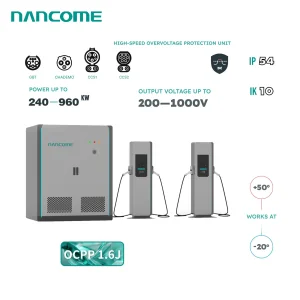
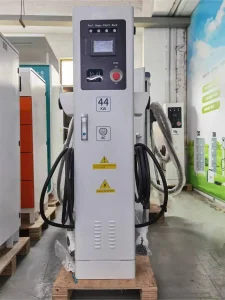
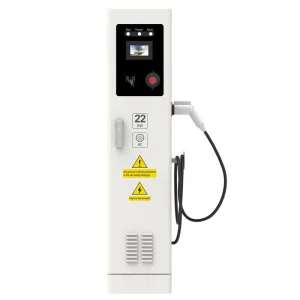
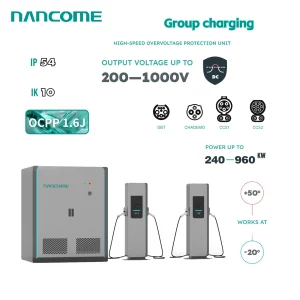
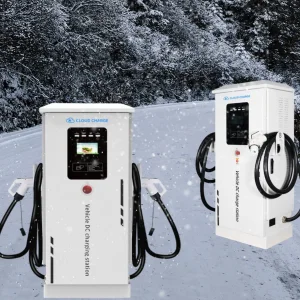
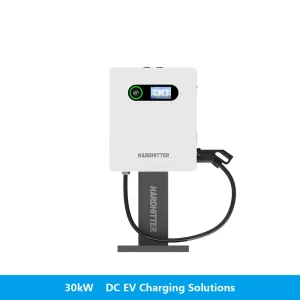
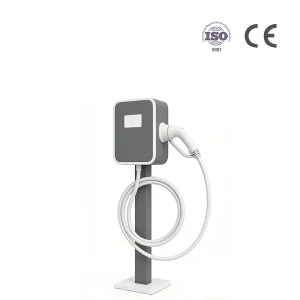
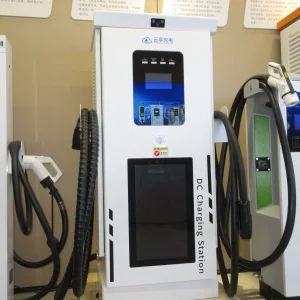
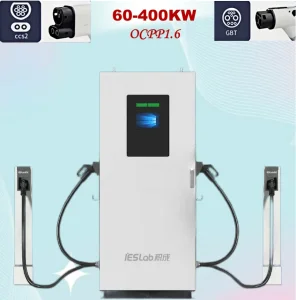
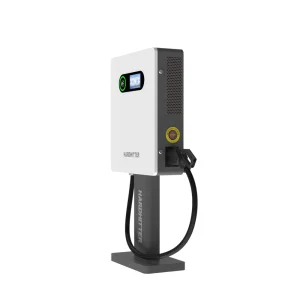
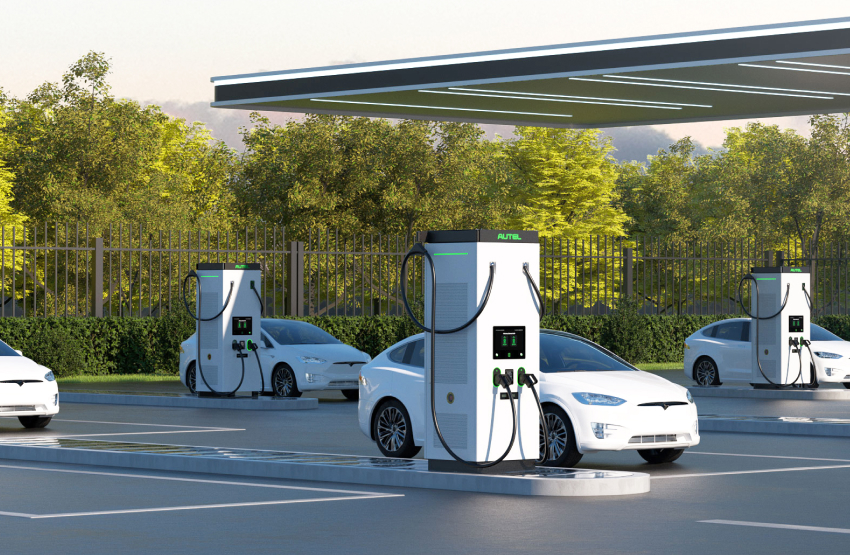
High-capacity infrastructure designed for Nigeria's growing urban centers.
Nigeria is currently at a pivotal crossroads in its transportation history. As the largest economy in Africa, the nation is facing the dual challenge of fuel subsidy removal and the urgent need for sustainable energy. The Public EV Charging Infrastructure in Nigeria is no longer a luxury but a strategic necessity. With the Federal Government's push through the National Automotive Design and Development Council (NADDC), cities like Lagos, Abuja, and Port Harcourt are becoming hubs for electric mobility innovation.
The industrial status of Nigeria’s energy sector is shifting toward decentralized power. Because the national grid faces stability issues, the leading factories and suppliers are focusing on Solar-Integrated EV Charging Stations. These stations utilize Nigeria's abundant solar radiation to provide clean, off-grid power to public charging hubs, ensuring that electric vehicles remain operational even during grid fluctuations.
Adapting Global Technology to the Nigerian Environment
Our chargers are designed to withstand Nigeria's high humidity and ambient temperatures, featuring advanced cooling systems and IP65-rated enclosures.
Integrated AI software that manages power distribution between the grid and EV chargers to prevent local transformer overloads in urban Lagos neighborhoods.
Compatibility with CCS2, GBT, and CHAdeMO, catering to the diverse range of EVs imported into Nigeria from Europe, China, and North America.
Payment systems designed for the local market, including USSD codes, bank transfers, and mobile money wallets common in Nigeria.
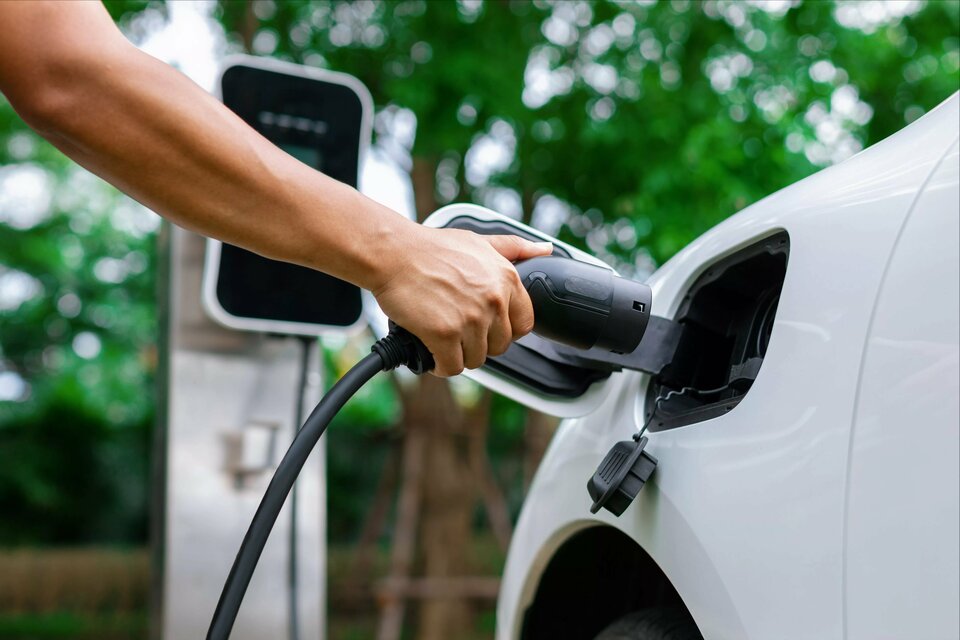
Hangzhou Volt Charger Co., Ltd. is a leading innovator in the electric vehicle (EV) charging industry, specializing in Portable & DC EV Chargers, EV Charging Adapters, and Smart Energy Solutions. Established in Hangzhou, China, the company has rapidly gained a reputation for delivering high-quality, reliable, and technologically advanced charging products that meet the evolving demands of EV owners and businesses worldwide.
With a commitment to sustainability and innovation, Hangzhou Volt Charger integrates cutting-edge technology into its product portfolio, offering fast, efficient, and safe charging solutions suitable for home, workplace, and public applications. Its portable chargers provide convenience for EV users on the go, while its DC fast chargers ensure rapid energy replenishment for commercial fleets and public charging stations.
The company also develops intelligent charging adapters and energy management systems, enabling seamless connectivity, real-time monitoring, and optimized power usage. By combining robust hardware with smart software, Hangzhou Volt Charger empowers Nigerian clients to reduce energy costs, enhance charging efficiency, and future-proof their EV infrastructure.
Serving global markets with an emphasis on quality, safety, and customer satisfaction, Hangzhou Volt Charger Co., Ltd. is dedicated to accelerating the adoption of electric mobility and supporting a greener, smarter, and more sustainable transportation ecosystem across the African continent.
The transition to electric vehicles in Nigeria is driven by several local factors that differ significantly from European or American markets. One of the primary trends is the Electrification of Public Transport. In Lagos, the introduction of electric buses for the BRT (Bus Rapid Transit) lanes has set a precedent. Our high-power fleet charging stations are perfectly suited for these large-scale deployments.
The future of Public EV Charging Infrastructure Factories & Suppliers in Nigeria involves local assembly and maintenance. By partnering with Hangzhou Volt Charger, local Nigerian firms can benefit from "Knocked Down" (KD) kits, allowing for local assembly, which reduces import duties and creates jobs in the Nigerian engineering sector. This strategy aligns with the "Buy Nigerian" initiative and ensures that technical support is available locally in Onitsha, Kano, or Lagos.
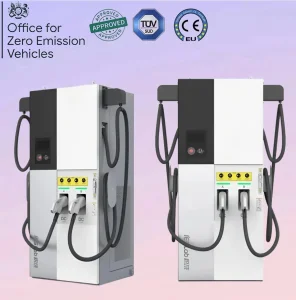
Versatile charging units certified for durability and performance.
One cannot discuss Public EV Charging Infrastructure in Nigeria without addressing the power supply. The "Nigerian Factor" requires chargers that are resilient. Our R&D team has developed specific voltage stabilizers and surge protection mechanisms that are integrated directly into our chargers. This prevents damage from the frequent power spikes seen in industrial areas of Ogun State or Lagos.
Furthermore, we are pioneering V2G (Vehicle-to-Grid) technology in our pilot programs. This allows EVs to act as mobile batteries, feeding power back into the building or grid during peak hours or outages. For a country like Nigeria, this technology could be a game-changer for energy security.
As the market grows, standardization is key. We are working closely with local regulatory bodies to ensure that all our equipment meets the SON (Standards Organisation of Nigeria) requirements. Whether it is the OCPP 1.6J or 2.0.1 communication protocols, our systems ensure that Nigerian operators can manage their network of chargers from a single dashboard, regardless of where they are located.
 Volt Charger