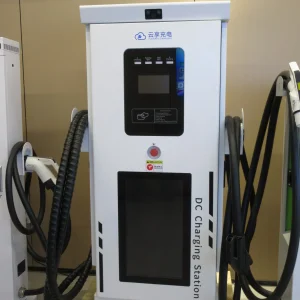
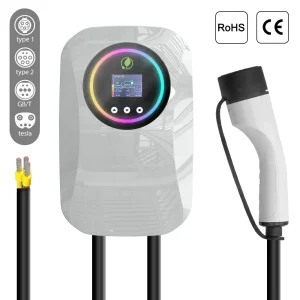
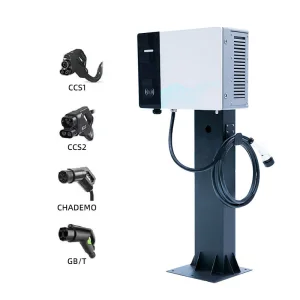
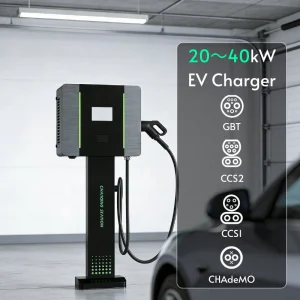
EV Fleet Charging Management Factories & Supplier in Benin

High-Capacity Smart DC Charging Systems, Intelligent Energy Management Software, and Industrial Infrastructure Designed for the West African Commercial Transit & Logistics Corridors.

1. The Transition of Industrial & Commercial Mobility in Benin

The Republic of Benin is experiencing a dynamic transformation in its commercial transportation and logistics infrastructure. As the primary gateway for regional trade in West Africa, centered around the strategic operations of the Port of Cotonou, the demand for highly efficient freight transportation is expanding rapidly. Rising diesel and petrol costs, combined with a national mandate to reduce carbon emissions and transition to sustainable energy systems, have pushed logistics firms, government agencies, and industrial operators to explore the electrification of commercial fleets.

However, the implementation of an electric vehicle (EV) fleet operation in Benin presents a unique set of operating conditions and requirements. Fleet operators face localized grid instability, characterized by voltage drops and brownouts, combined with tropical climates characterized by extreme temperatures and seasonal dust (Harmattan winds). To implement a successful transition, operators cannot rely on standard consumer-grade products. Deploying commercial mobility infrastructure requires rugged, smart, and highly adaptable EV Fleet Charging Management systems specifically engineered to withstand ambient stress while delivering high-efficiency output.

Key Industrial Insight: In Benin, the commercial vehicle segment (light-duty commercial trucks, urban transit buses, corporate delivery vans, and motor taxis) is the primary driver of total fleet operating costs. Switching these fleets to electric power with smart management systems can reduce operational expenditure (OPEX) by up to 55% compared to conventional diesel fuels, provided local grid systems are protected via intelligent energy scheduling.
55%
OPEX Reduction
IP54/55
Weatherproof Rating
OCPP
1.6J / 2.0 Ready
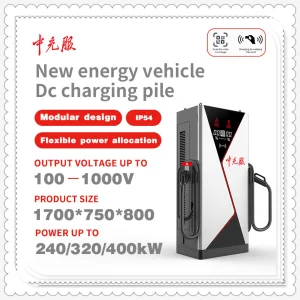
240kW
Max DC Charging Power

2. Technical Specifications: Overcoming Grid Instability & Environmental Factors

In West Africa, energy supplies delivered by municipal grids like the Société Béninoise d'Energie Electrique (SBEE) are subject to load shedding and unexpected network drops. Installing high-power DC fast chargers without an intelligent power management overlay can result in transformer failures, severe phase imbalance, or equipment damage. Our range of fleet charging hardware is specifically designed to resolve these challenges:

  • Dynamic Load Balancing (DLB): Automatically monitors current grid capacity and dynamically scales the power output of the charging stations in real-time. If multiple delivery trucks plug in concurrently, the system dynamically schedules charging to prevent overload and minimize peak demand surcharges.
  • OCPP 1.6J and 2.0 Integration: Standardized Open Charge Point Protocol ensures fleet management platforms can monitor charging sessions, set priority profiles (e.g. guaranteeing that emergency transport is charged first), and receive remote diagnostic data.
  • Wide Operating Voltage & Frequency Tolerances: Designed to function steadily under significant voltage fluctuations (±20%) without tripping or degrading internal power modules, protecting your capital investment.
  • High-Grade Thermal and Particle Filtration: Engineered with IP54 and IP55 ingress protection, utilizing corrosion-resistant coatings and advanced air cooling pathways to keep humidity, marine air from Cotonou's coast, and dry Harmattan sand out of sensitive electrical modules.

About Hangzhou Volt Charger Co., Ltd.

Accelerating global transition to smart electric mobility with robust manufacturing and digital energy systems

Hangzhou Volt Charger Co., Ltd. is a leading innovator in the electric vehicle (EV) charging industry, specializing in Portable & DC EV Chargers, EV Charging Adapters, and Smart Energy Solutions. Established in Hangzhou, China, the company has rapidly gained a reputation for delivering high-quality, reliable, and technologically advanced charging products that meet the evolving demands of EV owners and businesses worldwide.

With a commitment to sustainability and innovation, Hangzhou Volt Charger integrates cutting-edge technology into its product portfolio, offering fast, efficient, and safe charging solutions suitable for home, workplace, and public applications. Its portable chargers provide convenience for EV users on the go, while its DC fast chargers ensure rapid energy replenishment for commercial fleets and public charging stations.

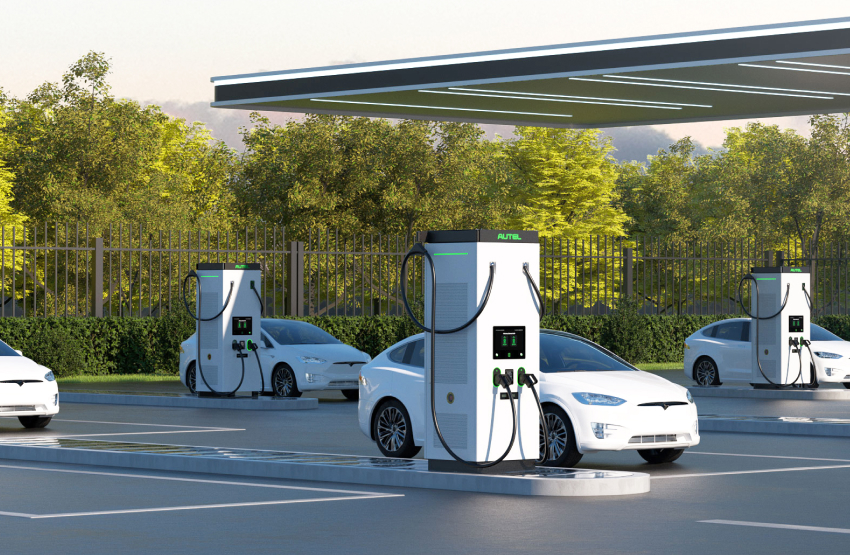
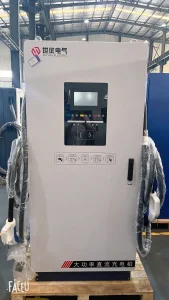
Hangzhou Volt Charger Manufacturing Facility
Smart energy testing lab

The company also develops intelligent charging adapters and energy management systems, enabling seamless connectivity, real-time monitoring, and optimized power usage. By combining robust hardware with smart software, Hangzhou Volt Charger empowers clients to reduce energy costs, enhance charging efficiency, and future-proof their EV infrastructure.

Serving global markets with an emphasis on quality, safety, and customer satisfaction, Hangzhou Volt Charger Co., Ltd. is dedicated to accelerating the adoption of electric mobility and supporting a greener, smarter, and more sustainable transportation ecosystem.

3. Global Procurement Demands: What Fleet Operators in Benin Look For

Procuring electric transport assets requires careful evaluation of total capital expenditure (CAPEX) vs. long-term operating costs (OPEX). B2B procurement managers and fleet operations heads looking to supply charging infrastructure in Benin focus heavily on:

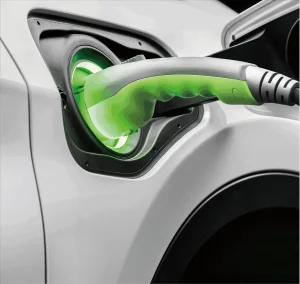
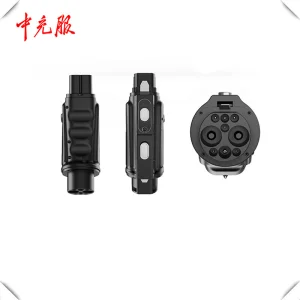
  1. Cross-Standard Interoperability: Commercial vehicles in West Africa originate from diverse manufacturing markets. Fleets often feature Chinese GB/T standard electric trucks alongside European CCS2 standard logistics vehicles. Procurement teams require multi-protocol stations or high-grade mechanical conversion adapters (e.g., CCS2-to-GB/T Adapters) that offer robust electrical insulation and high current ratings.
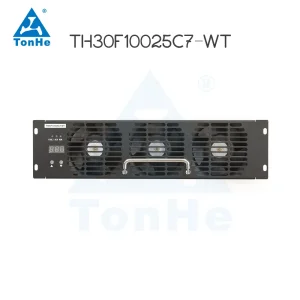
  2. Modularity for Rapid Maintenance: Minimizing fleet downtime is vital. System designs based on modular sub-assemblies (such as standard 30kW Charging Modules) mean that if one module fails, the charger continues to run at reduced capacity while a technician swaps out the damaged component in minutes without dismantling the entire station.
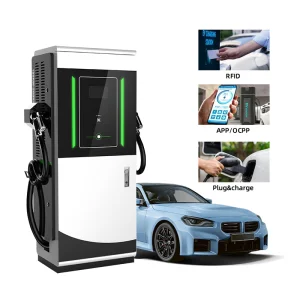
  3. Remote Energy Cloud Diagnostics: Operations managers need real-time visualization of energy consumption, charging status, driver authorization (via RFID or Mobile App), and billing records to ensure cost-efficiency.

4. China Factory 4.0: Supply Chain Resilience & Quality Control Advantages

As a premier Chinese factory manufacturing industrial-grade EV charging systems, Hangzhou Volt Charger Co., Ltd. leverages China's advanced Factory 4.0 production framework. This ecosystem ensures:

  • Direct Vertical Integration: From PCB board assembly, circuit design, control firmware development, and housing enclosure fabrication, all components are manufactured under rigid quality controls. This significantly reduces supply chain blockages and ensures long-term availability of spare parts.
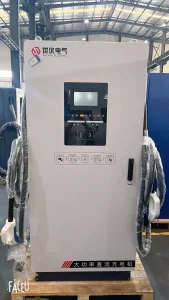
  • Rigorous Stress Testing: Every DC charger that leaves the factory undergoes strict burn-in tests, insulation resistance checks, and simulated tropical ambient stress tests (heat, moisture, and surge) to verify compliance with global safety standards.
  • Cost Efficiency: Scale production allows us to offer institutional buyers competitive B2B pricing terms, enabling a faster ROI on fleet electrification projects in developing markets.

5. Localized Application Scenarios in Benin

Deploying commercial fleet EV charging systems in Benin translates to several direct application scenarios:

Scenario A: Port of Cotonou Logistics Terminals
Heavy-duty freight logistics trucks moving containers from the seaport inland require ultra-fast high-power DC chargers (160kW - 240kW). Stations positioned along major arterial routes like the RNIE 2 corridor permit freight operators to carry out quick 30-minute top-offs during loading/unloading cycles, ensuring near-continuous truck availability.

Scenario B: Urban Transit & Ride-Hailing Hubs
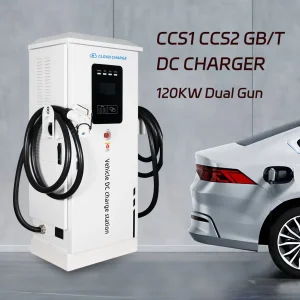
Private and public transit fleets operating intra-city shuttle buses and e-taxis in Cotonou, Porto-Novo, and Parakou require high-uptime hub charging. Utilizing dual-connector DC fast chargers with intelligent load management allows operators to charge up to two vehicles simultaneously from a single grid tap, optimizing available electrical capacity.

Scenario C: Electric School Bus Fleets
Educational institutions transitioning to electric buses require safe overnight charging solutions. AC Wallboxes (22kW 3-Phase) combined with smart scheduling allow buses to charge during off-peak night hours at low tariffs, ensuring they are fully energized and safe for morning routes.

Frequently Asked Questions

Direct answers for procurement teams and industrial engineering operators in Benin

How do your EV chargers handle severe voltage fluctuations common in Benin?
Our DC fast chargers are integrated with advanced voltage stabilizer circuits and high-performance power modules that support wide input voltage parameters (typically ±20% deviation). Under severe over-voltage or under-voltage states, the smart control board temporarily throttles power output or safely pauses current flow instead of blowing inner fuses, protecting the charging hardware and vehicle battery pack.
What standard of plug and communication do these stations support for West African fleets?
We manufacture stations support standard European IEC (CCS2, Type 2 AC), Chinese Guobiao (GB/T), and American SAE (CCS1) standards. Additionally, we provide high-amperage mechanical adapters like the CCS2 to GB/T Adapter, allowing mixed logistics fleets arriving through the Port of Cotonou to utilize the same high-power charging infrastructure.
Can we implement OCPP cloud software to monitor driver usage and power draw in Cotonou?
Yes, all our commercial DC charger lines support the standard OCPP 1.6J and OCPP 2.0 protocols. They can be linked via RJ45 Ethernet, Wi-Fi, or cellular 4G modems to your proprietary backend ERP platform or third-party fleet billing systems, facilitating complete driver access, energy metrics tracking, and scheduled smart charging control.
Are your charging stations weatherized for hot climates and sand/dust exposure?
Absolutely. Our outdoor fleet charging terminals feature IP54 or IP55 protective enclosures. They are engineered to operate in ambient temperatures reaching up to 55°C without thermal throttling. The internal ventilation paths are specifically structured to filter out ambient sand, dust, and coastal salt mist common to Cotonou.
What is the advantage of using modular 30kW charging modules?
Using modular units ensures high service reliability. If a 120kW charging station uses four 30kW modules and one module experiences an unexpected error, the charger stays active, continuing to deliver 90kW. Operational field technicians can swap out the failed module in less than 15 minutes, drastically reducing downtime and lowering total cost of ownership (TCO).
How can we place a custom manufacturing order, and what are the delivery terms to Benin?
To initiate an order, click the "Send Inquiry Now" button and share your fleet parameters, capacity requirements, and input voltage configurations. We offer direct B2B pricing, custom logo branding (OEM/ODM), and handle maritime cargo logistics from our Hangzhou factory directly to Cotonou Port, including all necessary export documentation and technical support.

Ready to Electrify Your Commercial Fleet in Benin?

Get in touch with our technical sales division to get specialized hardware configurations, smart management software options, and direct B2B factory pricing.

Get A Custom Pricing Quote Today