Architectural-grade sheet metal structures engineered specifically for rapid installation in high-altitude, urban, and industrial Nepalese environments.
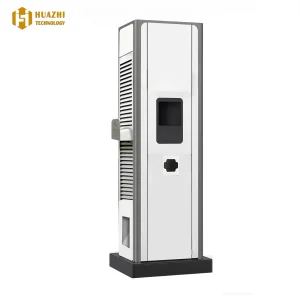
Nepal is undergoing a paradigm shift in its energy landscape. Backed by the Nepal Electricity Authority (NEA) and driven by rapid hydroelectric capacity additions (surpassing 2,800 MW with projections aiming for 15,000 MW by 2035), the nation is actively phasing out fossil-fuel import reliance. Electrified transportation has transitioned from a sustainability goal to a core macroeconomic imperative.
However, building a robust EV ecosystem across Kathmandu Valley’s dense urban centers and the rugged terrain of the Prithvi and East-West highways poses significant architectural challenges. Voltage instability, grid drops, heavy monsoonal moisture, and high dust concentrations demand robust, internationally certified EV chargers and energy storage systems.
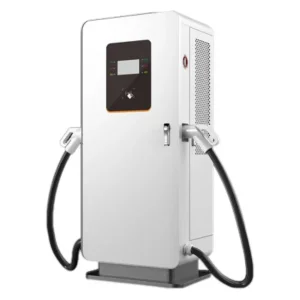
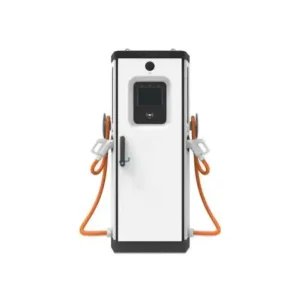
As a specialized supplier and exporter, Hangzhou Volt Charger Co., Ltd. offers heavy-duty, IP55/IP65 protected DC fast chargers and customized metal enclosures engineered to perform under extreme topographic conditions, ensuring structural integrity and seamless power delivery.
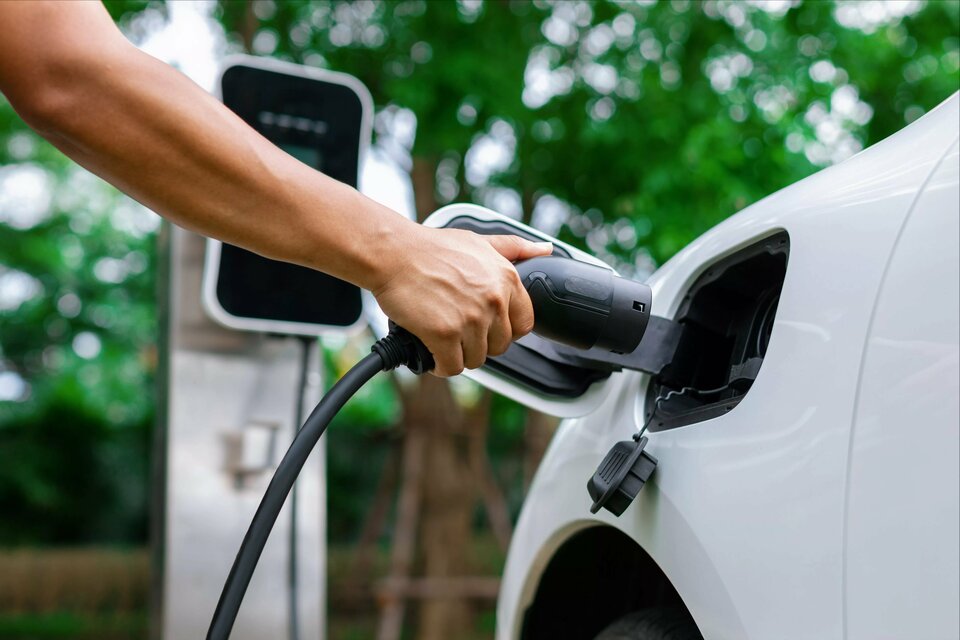
Overcoming Nepalese distribution infrastructure limitations via advanced energy buffering and decentralized micro-grids.
Dynamic load management (DLM) algorithms adjust the EV charging current in real-time. This mitigates localized peak demands, preventing substation overloads in dense municipal grids like Kathmandu and Lalitpur.
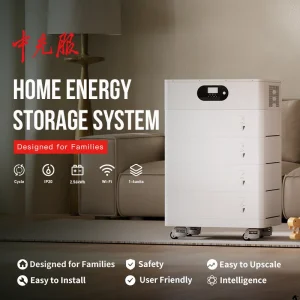
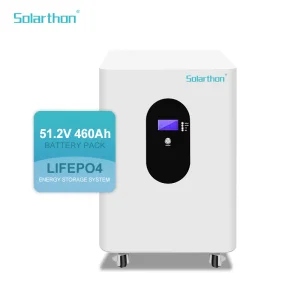
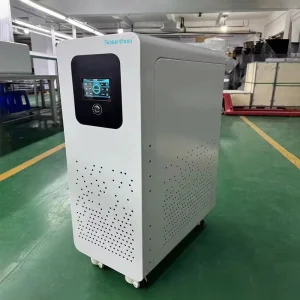
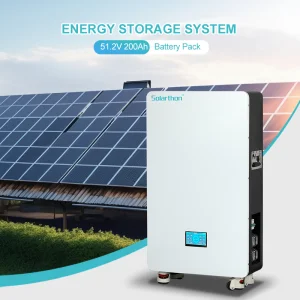
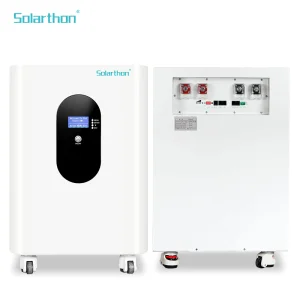
To counteract dry-season hydropower deficits, our off-grid solar storage solutions (BESS) act as localized energy buffers. They store clean energy during off-peak hours and discharge it during peak DC fast-charging cycles.
Precision sheet metal fabrication, electrostatic powder coating, and specialized anti-corrosion treatments ensure structural components remain resilient against extreme temperature fluctuations and high mountain humidity.
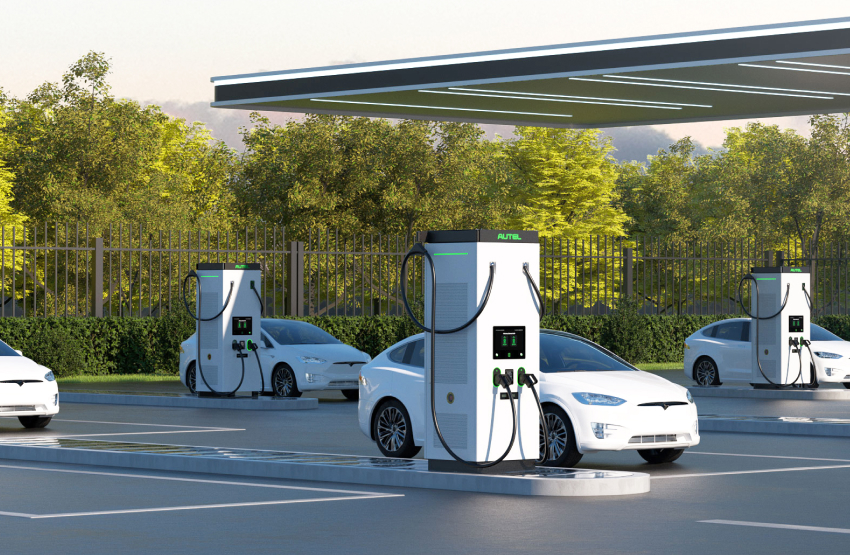
Hangzhou Volt Charger Co., Ltd. is a leading innovator in the electric vehicle (EV) charging industry, specializing in Portable & DC EV Chargers, EV Charging Adapters, and Smart Energy Solutions. Established in Hangzhou, China, the company has rapidly gained a reputation for delivering high-quality, reliable, and technologically advanced charging products that meet the evolving demands of EV owners and businesses worldwide.
With a commitment to sustainability and innovation, Hangzhou Volt Charger integrates cutting-edge technology into its product portfolio, offering fast, efficient, and safe charging solutions suitable for home, workplace, and public applications. Its portable chargers provide convenience for EV users on the go, while its DC fast chargers ensure rapid energy replenishment for commercial fleets and public charging stations.
The company also develops intelligent charging adapters and energy management systems, enabling seamless connectivity, real-time monitoring, and optimized power usage. By combining robust hardware with smart software, Hangzhou Volt Charger empowers clients to reduce energy costs, enhance charging efficiency, and future-proof their EV infrastructure.
Serving global markets with an emphasis on quality, safety, and customer satisfaction, Hangzhou Volt Charger Co., Ltd. is dedicated to accelerating the adoption of electric mobility and supporting a greener, smarter, and more sustainable transportation ecosystem.
Our intelligent manufacturing campus in China leverages vertical integration to ensure rapid exporting, exceptional precision, and cost efficiencies for global buyers.
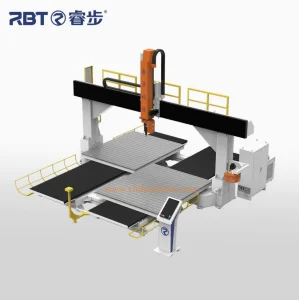
Using double work table 5-axis CNC machining, we fabricate custom battery covers and structural components. This level of precision translates to tight tolerances, ensuring dustproof seals for charging enclosures.
We maintain a direct pipeline from raw sheet metal to finished IP55/IP65 systems. This vertical integration allows Nepalese engineering firms to specify customized internal dimensions, ventilation pathways, and mounting holes.
Every charging device and battery enclosure undergoes rigorous stress tests, high-voltage insulation tests, and thermographic validation. Our products carry CE, IEC, and RoHS certifications, assuring reliable grid integration.
To guarantee seamless operation, our deployment roadmap targets the unique geographical and structural challenges faced by regional developers.
High-density smart charging grids require compact, public-grade enclosures. Our sheet metal charging boxes are engineered with anti-tampering designs, advanced thermal dissipation vents, and smart payment system mounts.
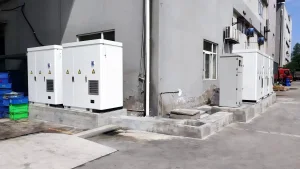
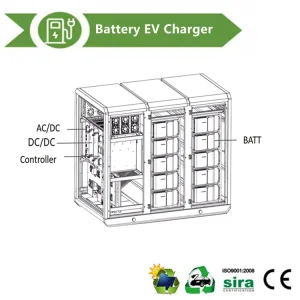
Long-distance routes require heavy-duty DC charging hubs combined with Battery Energy Storage Systems (BESS). These setups buffer peak power demand, ensuring consistent fast-charging speeds even in remote, weak-grid locations.
We align closely with the NEA's technical directives, including specific grid voltage limits, phase tolerances, and billing meter communication protocols. This alignment ensures local installations receive rapid utility clearances.
From custom factory CAD modeling to direct shipping via land-sea corridors through Lhasa or Kolkata, we supply end-to-end support, complete with detailed mechanical blueprints and structural design documents.
Get a comprehensive quote for customized charging stations, solar energy storage, and industrial-grade sheet metal cabinets tailored to the Nepalese grid.
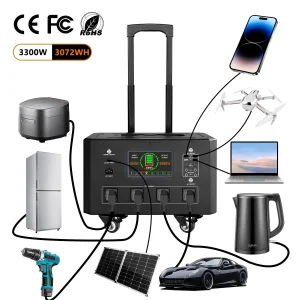
High-capacity solar storage buffers and portable emergency power solutions designed to stabilize peak loads at Nepal's EV charging hubs.
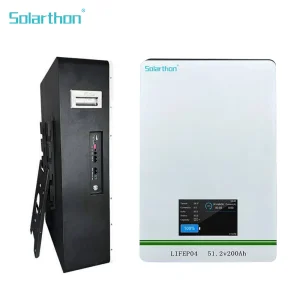
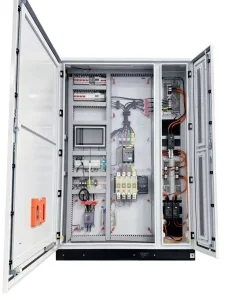
Precision tooling and outdoor industrial cabinetry designed to protect critical power electronics and telecom equipment under severe environmental stress.
Critical deployment insights regarding Nepalese grid codes, environmental ruggedization, and logistical operations.
The Nepal Electricity Authority (NEA) mandates compliance with standard IEC 61851 protocols for conductive EV charging. The distribution voltage is typically three-phase 400V AC (50Hz), and DC Fast charging systems must operate safely with localized voltage fluctuations of up to ±10%. Our smart chargers integrate advanced voltage regulators and automatic trip-relays to protect vehicles from local grid drops.
High altitudes in regions like Pokhara and along Himalayan routes experience high UV indexes and rapid temperature shifts. This can cause condensation buildup inside standard charging enclosures. Our customized sheet metal boxes feature dual-chamber structures and IP55 vents. This setup mitigates humidity, prevents condensation, and blocks monsoon rain and dust.
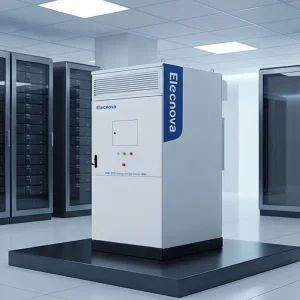
Although Nepal generates surplus hydroelectricity in the wet season, the local grid still faces distribution bottle-necks. Integrating a 100kWh to 500kWh BESS cabinet allows commercial EV charging station operators to store energy during off-peak periods. They can then discharge it at high currents during DC fast charging, protecting the grid from voltage drops.
Our Factory 4.0 utilizes 5-axis CNC machining centers and automated welding pipelines. The typical production cycle for custom structural orders is 15-20 days. Shipments are consolidated at our Hangzhou warehouse and dispatched via land-sea cargo lines. Delivery enters Nepal via the Gyirong/Rasuwa border or the Kolkata sea port route, taking approximately 20-30 days.
 Volt Charger