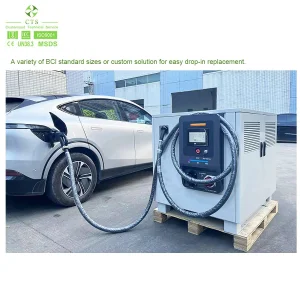
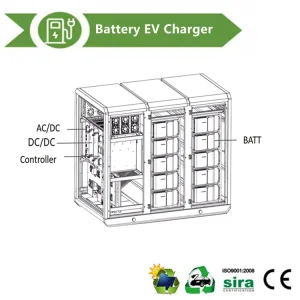
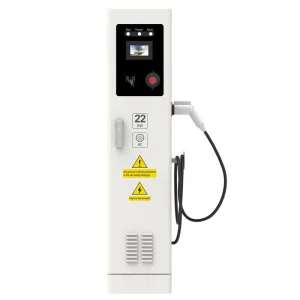
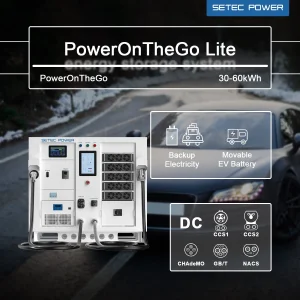
Vehicle-to-Grid (V2G) technology represents the most significant paradigm shift in the history of both the automotive and energy industries. No longer are Electric Vehicles (EVs) merely "consumers" of energy; they are becoming decentralized "mobile power plants." As global economies push toward Net Zero 2050, the intermittent nature of renewable energy sources like wind and solar creates a critical need for large-scale energy storage. This is where V2G infrastructure, pioneered by top-tier Chinese manufacturers, fills the gap.
By leveraging bidirectional power flow, V2G Charging Systems allow EV batteries to discharge energy back into the power grid during peak demand or emergency shortages. This "Peak Shaving" and "Load Leveling" capability not only stabilizes the grid but also provides EV owners and fleet operators with a significant ROI through energy arbitrage.
Hangzhou Volt Charger Co., Ltd. is a leading innovator in the electric vehicle (EV) charging industry, specializing in Portable & DC EV Chargers, EV Charging Adapters, and Smart Energy Solutions. Established in Hangzhou, China, the company has rapidly gained a reputation for delivering high-quality, reliable, and technologically advanced charging products that meet the evolving demands of EV owners and businesses worldwide.
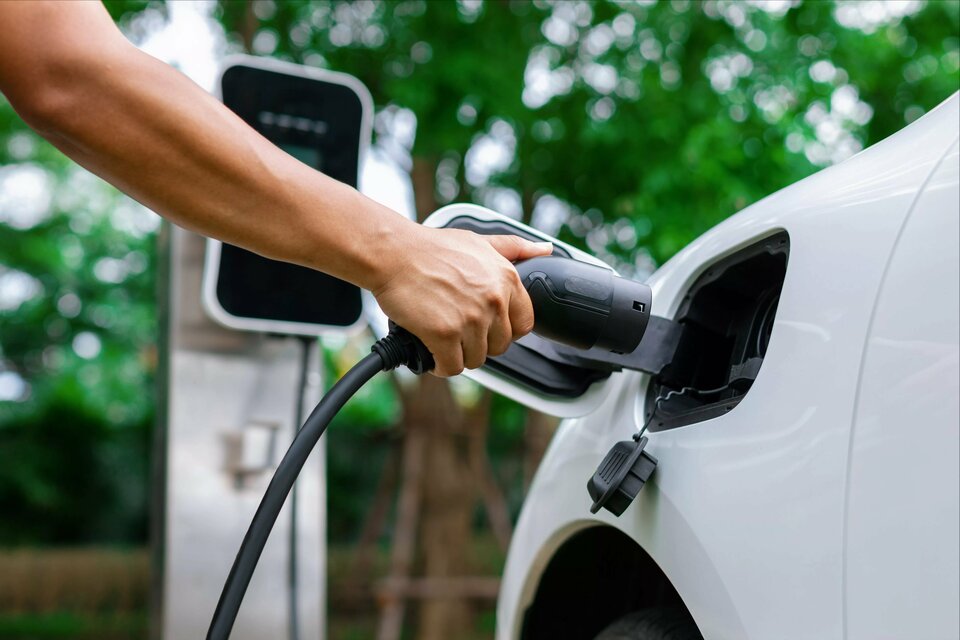
Integrating cutting-edge technology into a diverse product portfolio for home, workplace, and public applications.
Dedicated to accelerating the adoption of electric mobility and supporting a greener, smarter transportation ecosystem.
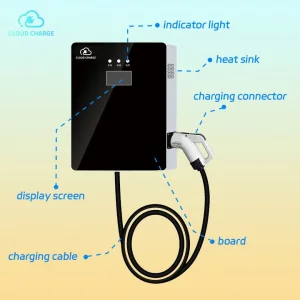
Robust hardware paired with smart software for real-time monitoring and optimized power usage.
China hosts the world's most concentrated ecosystem for power electronics and lithium-ion batteries. From the raw processed minerals to the IGBT modules and semiconductors required for high-frequency bidirectional switching, everything is produced within a 500km radius of major industrial hubs like Hangzhou and Shenzhen.
While Western counterparts may take 18-24 months to move from concept to mass production, Chinese factories like Hangzhou Volt Charger utilize rapid iteration cycles. This allows for the immediate integration of the latest OCPP 2.0.1 and ISO 15118-20 standards, essential for modern V2G communication.
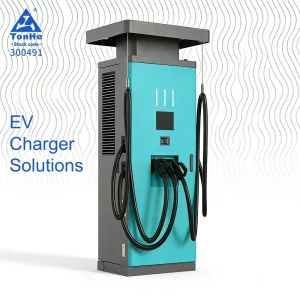
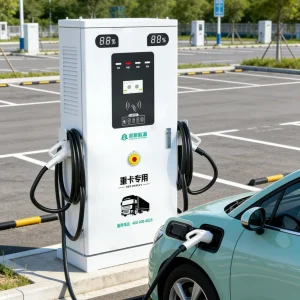
With massive domestic demand driving production volumes, Chinese factories can invest in high-precision AI-driven automated assembly lines. This reduces unit costs while increasing the reliability of DC Fast Chargers and V2G units through rigorous automated testing.
The abundance of power electronics engineers specialized in "Renewable Energy Systems" allows Chinese firms to provide customized V2X (Vehicle-to-Everything) solutions at a fraction of the cost found in EU or North American markets.
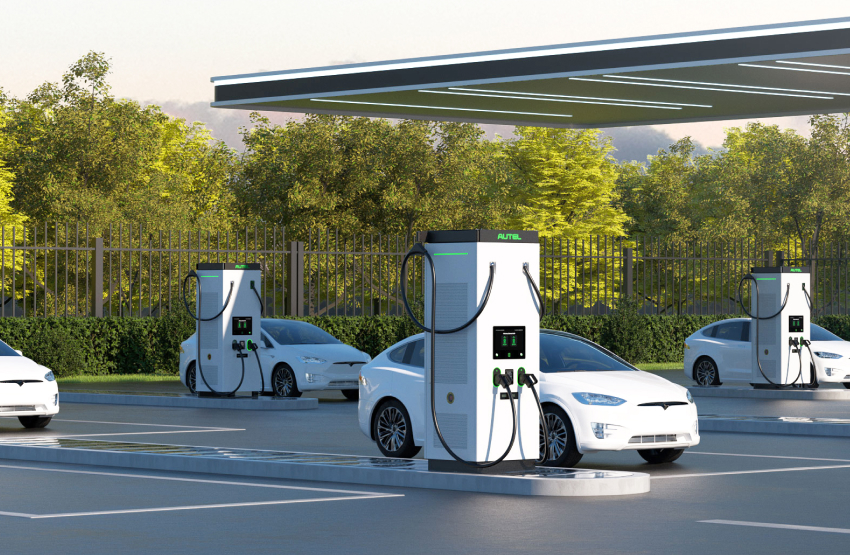
Different regions and use cases require specific V2G configurations. Understanding these is vital for global procurement.
| Scenario | Key Technology | Primary Benefit | Target User |
|---|---|---|---|
| V2H (Vehicle-to-Home) | Single-phase Bi-directional AC | Emergency backup & Energy cost reduction | Residential Homeowners |
| V2B (Vehicle-to-Building) | Three-phase DC V2G (60kW+) | Peak shaving for commercial buildings | Office complexes & Retail malls |
| V2G (Vehicle-to-Grid) | High-Power DC Cascaded Systems | Grid frequency regulation & stability | Utility companies & Energy Aggregators |
| V2F (Vehicle-to-Fleet) | Smart Load Management Software | Optimized fleet operation costs | Logistics & Public Transit (Buses) |
Machine learning algorithms will predict grid demand and EV driver behavior to optimize discharge cycles without affecting battery longevity.
The shift to SiC semiconductors in V2G chargers will increase efficiency to over 98% and reduce unit weight by 30%.
Complete global standardization around ISO 15118-20 will allow any EV to talk to any V2G charger regardless of brand.
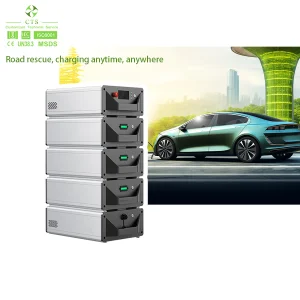
Integration of retired EV batteries into V2G stations to create hybrid ESS (Energy Storage System) solutions.
When sourcing Vehicle-to-Grid Charging Systems from China, global enterprises prioritize four key metrics:
Modern V2G systems employ "Smart Discharge" protocols. By managing the depth of discharge (DoD) and avoiding rapid cycling, V2G can actually improve battery health by preventing the battery from sitting at 100% state-of-charge (SoC) for extended periods, which is a known cause of degradation.
V2G specifically refers to discharging back to the grid. V2X (Vehicle-to-Everything) is an umbrella term that includes V2G, V2H (Home), V2B (Building), and even V2L (Load, such as powering tools from your car).
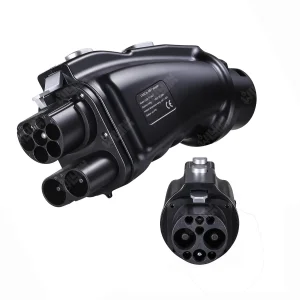
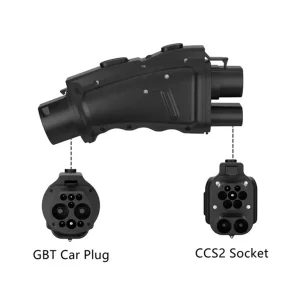
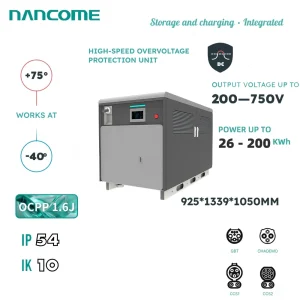
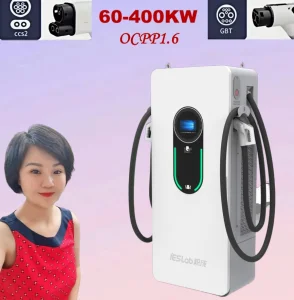
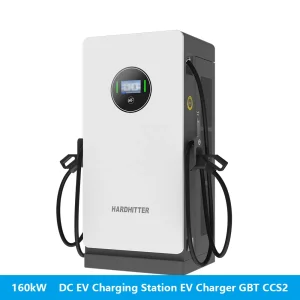
Compatibility depends on the vehicle's onboard communication protocol. Most modern EVs using CCS2, CHAdeMO, or the latest GB/T standards are increasingly V2G-capable. Our systems support multi-standard protocols to ensure global compatibility.
Our V2G systems come with integrated EMS (Energy Management Systems) that can interface with solar inverters. This allows you to store excess solar energy in your EV during the day and discharge it to your home or the grid during evening peak hours.
Yes, if the system is configured for "Island Mode" or V2H. It can act as a backup power source, similar to a Tesla Powerwall, but with the significantly larger capacity of an EV battery.
By combining robust hardware with smart software, Hangzhou Volt Charger empowers clients to reduce energy costs, enhance charging efficiency, and future-proof their EV infrastructure. Serving global markets with an emphasis on quality, safety, and customer satisfaction, we are dedicated to accelerating the adoption of electric mobility and supporting a greener, smarter, and more sustainable transportation ecosystem.
 Volt Charger