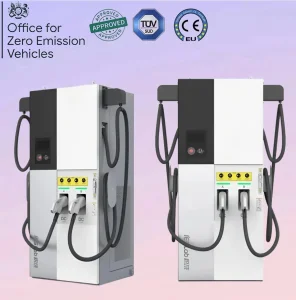
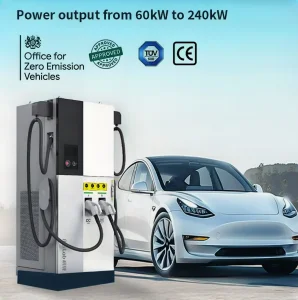
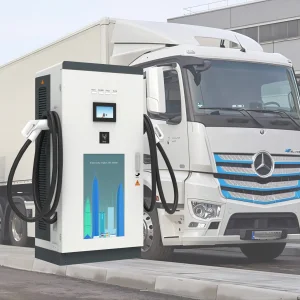
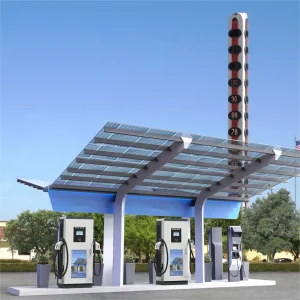
Engineered for high-traffic healthcare environments and emergency reliability.
The global healthcare sector is undergoing a massive transformation as hospitals and medical centers transition toward carbon neutrality. Hospital EV Charging Infrastructure is no longer just an amenity; it is a critical requirement for modern medical campuses. As ambulances, patient transport vehicles, and staff fleets shift to electric propulsion, the demand for "Level 3" Fast DC charging and robust AC networks has skyrocketed.
Global investments in medical EV infrastructure are projected to grow by 25% annually as hospitals integrate smart energy into their sustainability ESG goals.
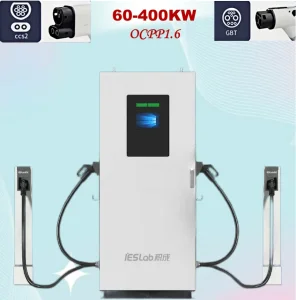
New industry trends emphasize "Ultra-Fast" charging (up to 400kW) specifically designed for electric ambulances that require rapid turnaround times.
Modern infrastructure utilizes AI-driven load balancing to ensure charging doesn't interfere with the sensitive power grids of life-saving medical equipment.
For hospitals, the installation of EV chargers serves multiple stakeholders. Firstly, medical staff who work long shifts need reliable charging to ensure their commute is seamless. Secondly, patients and visitors increasingly prefer facilities that offer the convenience of vehicle replenishment. Most importantly, the electrification of logistics and emergency fleets requires a manufacturer that understands the "zero-downtime" philosophy of the medical world.
Procuring EV charging infrastructure for a hospital requires a different approach than a standard retail mall. Key considerations include:
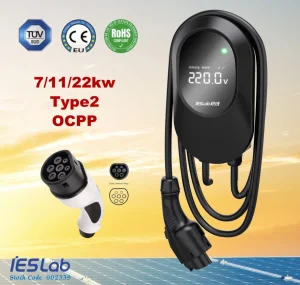
Across North America, Europe, and Southeast Asia, hospitals are evolving into smart hubs. The integration of OCPP 1.6J/2.0.1 protocols allows hospital administrators to monitor energy consumption in real-time, set tiered pricing for visitors, and even participate in Vehicle-to-Grid (V2G) programs during peak demand. This helps medical institutions offset operational costs while contributing to city-wide grid stability.
Hangzhou Volt Charger Co., Ltd.: Your Strategic Partner in EV Evolution
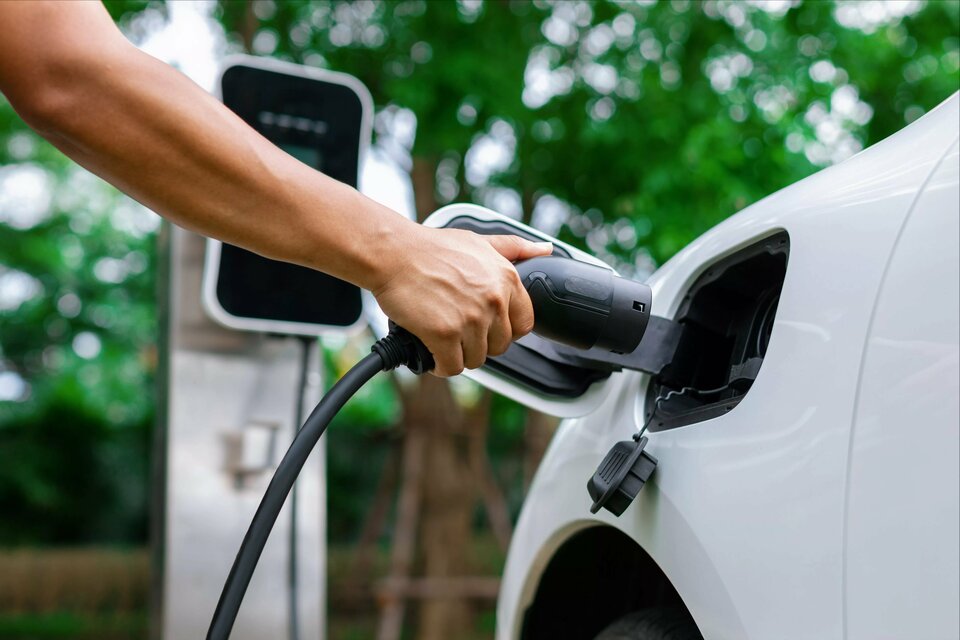
Hangzhou Volt Charger Co., Ltd. is a leading innovator in the electric vehicle (EV) charging industry, specializing in Portable & DC EV Chargers, EV Charging Adapters, and Smart Energy Solutions. Established in Hangzhou, China, the company has rapidly gained a reputation for delivering high-quality, reliable, and technologically advanced charging products that meet the evolving demands of EV owners and businesses worldwide.
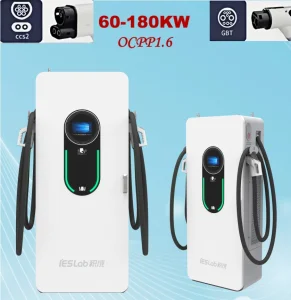
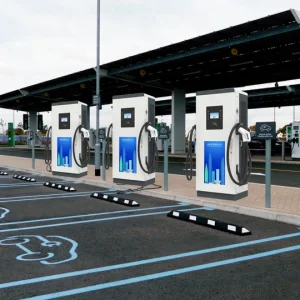
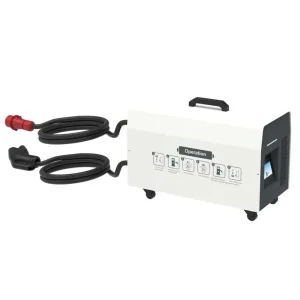
With a commitment to sustainability and innovation, Hangzhou Volt Charger integrates cutting-edge technology into its product portfolio, offering fast, efficient, and safe charging solutions suitable for home, workplace, and public applications. Its portable chargers provide convenience for EV users on the go, while its DC fast chargers ensure rapid energy replenishment for commercial fleets and public charging stations.
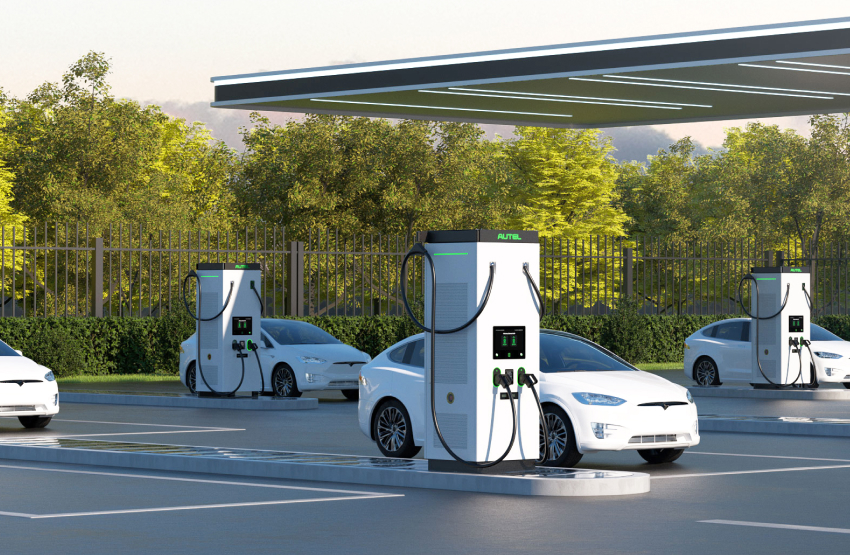
The company also develops intelligent charging adapters and energy management systems, enabling seamless connectivity, real-time monitoring, and optimized power usage. By combining robust hardware with smart software, Hangzhou Volt Charger empowers clients to reduce energy costs, enhance charging efficiency, and future-proof their EV infrastructure.
Serving global markets with an emphasis on quality, safety, and customer satisfaction, Hangzhou Volt Charger Co., Ltd. is dedicated to accelerating the adoption of electric mobility and supporting a greener, smarter, and more sustainable transportation ecosystem.
We invest heavily in proprietary PCB designs and cooling systems to ensure our 360kW and 400kW chargers operate at peak efficiency without overheating.
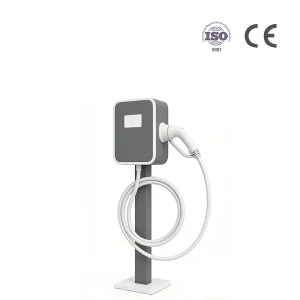
Our products are TUV, ETL, and CE certified, meeting the rigorous safety standards required for installation in hospital zones and public areas.
As a direct factory, we provide OEM/ODM services, allowing hospitals to brand their charging stations and customize cable lengths and connector types.
The future of Hospital EV Charging lies in the synergy between hardware and software. We are moving toward a world where the charger is an intelligent node in the medical facility's ecosystem. Our upcoming range of chargers will feature facial recognition for physician access, integrated battery storage to manage peak hospital loads, and liquid-cooled cables for even faster charging speeds.
By choosing a specialist manufacturer like Hangzhou Volt Charger, procurement officers can ensure their infrastructure is not only ready for today's EVs but also prepared for the 800V architectures and ultra-fast charging requirements of the next decade.
From portable chargers to 400kW ultra-fast DC hubs.
 Volt Charger