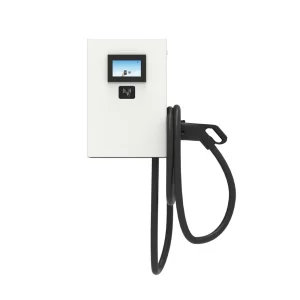
As the global community accelerates toward a net-zero future, the integration of Solar-Powered EV Chargers has emerged as the definitive solution for sustainable transportation. Unlike traditional charging units dependent on carbon-heavy power grids, solar EV charging infrastructure leverages the infinite energy of the sun, creating a "Well-to-Wheel" carbon-neutral cycle. In China, the manufacturing landscape for these advanced systems has reached a pinnacle of sophistication, offering global B2B buyers unparalleled access to Information Gain regarding efficiency, grid-parity, and technical reliability.
The synergy between Photovoltaics (PV) and Electric Vehicle Supply Equipment (EVSE) represents more than just a convenience; it is a macro-economic necessity. With electricity prices fluctuating globally, businesses and municipalities are pivoting toward self-sustaining energy models. China’s leading factories are currently at the forefront of this revolution, combining high-efficiency monocrystalline silicon panels with AI-driven MPPT (Maximum Power Point Tracking) controllers to maximize energy yield even in suboptimal weather conditions.
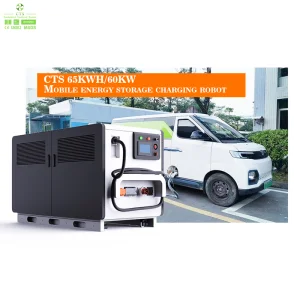
In 2024, the global solar EV charger market is projected to grow at a CAGR of 18.4%. Driven by the EU's Green Deal and the US Inflation Reduction Act (IRA), the demand for off-grid and grid-tied solar charging solutions has skyrocketed. Factories in China, particularly in tech hubs like Hangzhou, have responded by developing "All-in-One" Solar-Storage-Charging stations.
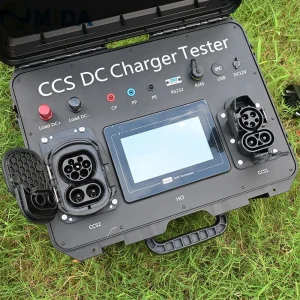
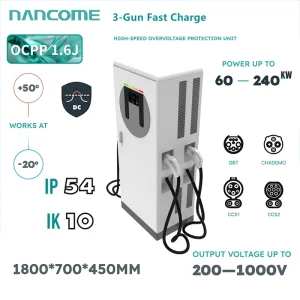
Modular DC fast chargers ranging from 60kW to 360kW, designed for massive logistics fleets and public transport hubs.
Vehicle-to-Grid (V2G) technology allows EVs to act as mobile batteries, feeding solar energy back to the building during peak hours.
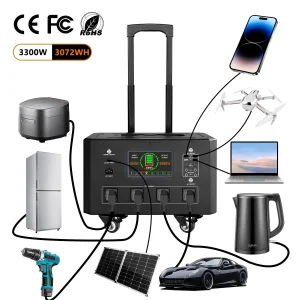
Specialized solutions for remote areas, mining sites, and disaster relief where traditional grid access is non-existent.
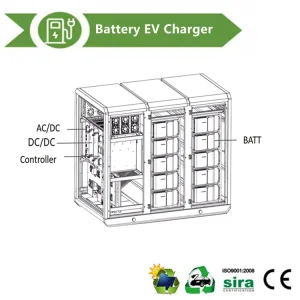
The industry trend is moving toward High-Power Charging (HPC) combined with BESS (Battery Energy Storage Systems). This ensures that solar energy harvested during the day can be discharged at night, solving the intermittency problem of renewable energy. China's suppliers are now integrating Silicon Carbide (SiC) semiconductors to reduce thermal loss and increase the lifespan of the charging hardware.
Hangzhou Volt Charger Co., Ltd. is a leading innovator in the electric vehicle (EV) charging industry, specializing in Portable & DC EV Chargers, EV Charging Adapters, and Smart Energy Solutions. Established in Hangzhou, China, the company has rapidly gained a reputation for delivering high-quality, reliable, and technologically advanced charging products that meet the evolving demands of EV owners and businesses worldwide.
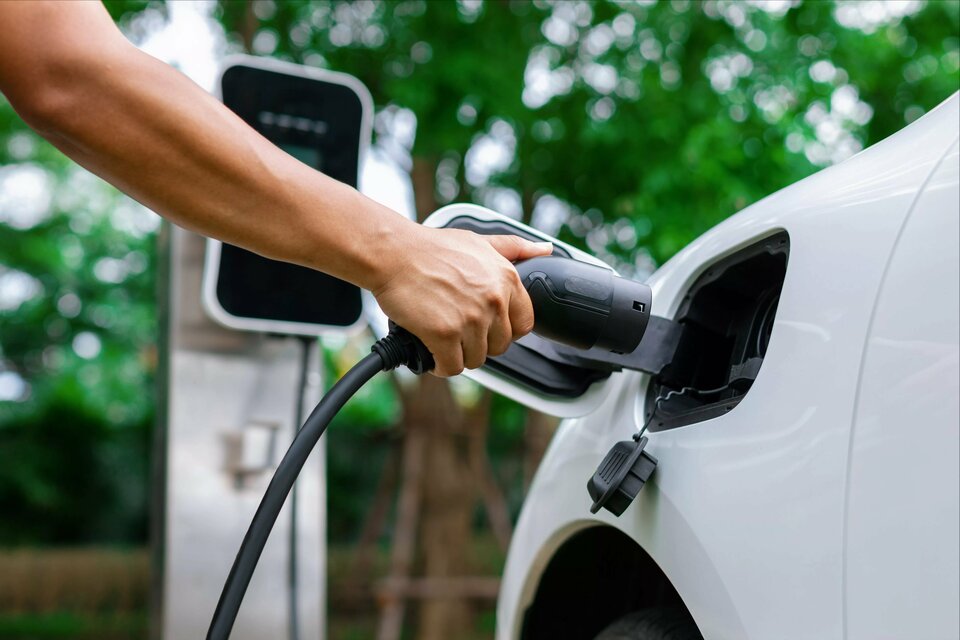
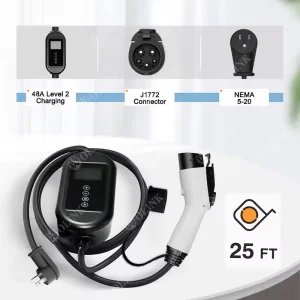
With a commitment to sustainability and innovation, Hangzhou Volt Charger integrates cutting-edge technology into its product portfolio, offering fast, efficient, and safe charging solutions suitable for home, workplace, and public applications. Its portable chargers provide convenience for EV users on the go, while its DC fast chargers ensure rapid energy replenishment for commercial fleets and public charging stations.
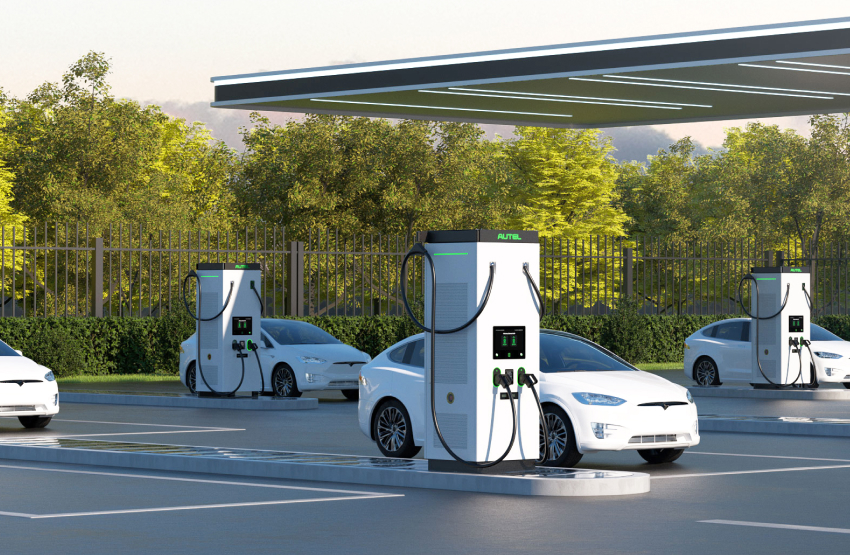
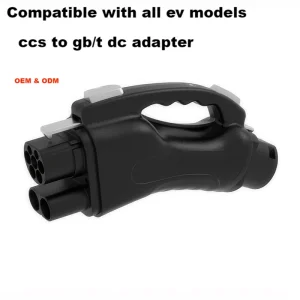
The company also develops intelligent charging adapters and energy management systems, enabling seamless connectivity, real-time monitoring, and optimized power usage. By combining robust hardware with smart software, Hangzhou Volt Charger empowers clients to reduce energy costs, enhance charging efficiency, and future-proof their EV infrastructure.
Serving global markets with an emphasis on quality, safety, and customer satisfaction, Hangzhou Volt Charger Co., Ltd. is dedicated to accelerating the adoption of electric mobility and supporting a greener, smarter, and more sustainable transportation ecosystem.
The future of Solar-Powered EV charging lies in the "Zero-Touch" ecosystem. AI algorithms will soon predict weather patterns and local grid load to autonomously decide whether to store solar power, charge a vehicle, or sell energy back to the grid. Key technical milestones include:
| Phase | Technology Focus | Target Outcome |
|---|---|---|
| Current (2024-2025) | OCPP 2.0.1 & ISO 15118-20 | Seamless "Plug & Charge" with enhanced cybersecurity. |
| Mid-Term (2026-2027) | GaN/SiC Power Modules | 30% reduction in charger size and 15% increase in efficiency. |
| Future (2028+) | Wireless Solar Charging | Solar-embedded road surfaces charging EVs while in motion. |
Ideal for office parks in North America and Europe, providing shaded parking while generating over 100kWh of clean energy daily.
In regions like Australia and Southeast Asia, combining rooftop solar with wallbox chargers for 100% fuel-cost savings.
Heavy-duty solar DC stations for e-trucks in industrial zones, reducing the reliance on high-voltage grid upgrades.
 Volt Charger