High-performance hardware solutions certified to CE, GBT, and CCS standards, equipped with OCPP cloud integrations.

Analyzing the strategic imperatives behind next-generation fleet and public utility networks.
As global economies aggressively target net-zero transport emissions, the EV charging infrastructure has transformed from simple point-to-point power units into bidirectional, intelligent energy distribution nodes. Modern deployment frameworks now prioritize grid balancing, dynamic power routing, and severe-weather survival metrics.
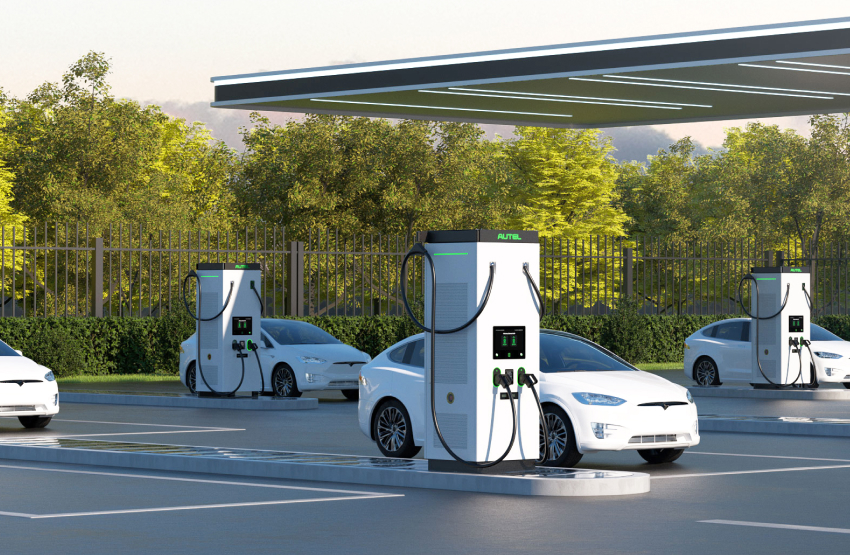
By integrating smart communication layers via OCPP 1.6J / 2.0.1 Protocols and implementing ultra-high voltage DC systems, modern fleet operators can dynamically balance loads to mitigate peak pricing penalties. Standardizing on rugged multi-protocol systems (CCS1, CCS2, GBT, and ChAdeMO) guarantees comprehensive site compatibility, reducing CapEx and ensuring high ROI for infrastructure developers.
"Smart EV charging is no longer just about delivering electricity; it is the ultimate intersection of telecommunications, smart grid management, and high-voltage power storage."
Smart load balancing avoids high-cost peak grid demands dynamically.
Flexible designs across CCS, Type-2, and custom global standards.
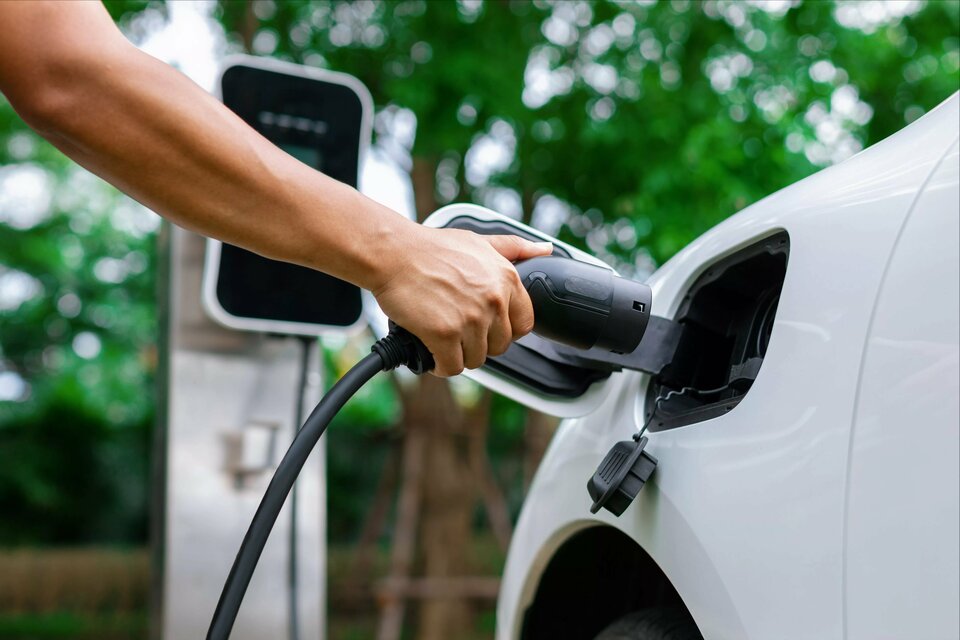
Hangzhou Volt Charger Co., Ltd. is a leading innovator in the electric vehicle (EV) charging industry, specializing in Portable & DC EV Chargers, EV Charging Adapters, and Smart Energy Solutions. Established in Hangzhou, China, the company has rapidly gained a reputation for delivering high-quality, reliable, and technologically advanced charging products that meet the evolving demands of EV owners and businesses worldwide.
With a commitment to sustainability and innovation, Hangzhou Volt Charger integrates cutting-edge technology into its product portfolio, offering fast, efficient, and safe charging solutions suitable for home, workplace, and public applications. Its portable chargers provide convenience for EV users on the go, while its DC fast chargers ensure rapid energy replenishment for commercial fleets and public charging stations.
The company also develops intelligent charging adapters and energy management systems, enabling seamless connectivity, real-time monitoring, and optimized power usage. By combining robust hardware with smart software, Hangzhou Volt Charger empowers clients to reduce energy costs, enhance charging efficiency, and future-proof their EV infrastructure.
Serving global markets with an emphasis on quality, safety, and customer satisfaction, Hangzhou Volt Charger Co., Ltd. is dedicated to accelerating the adoption of electric mobility and supporting a greener, smarter, and more sustainable transportation ecosystem.
Unveiling the core elements that ensure grid stability, rapid deployments, and maximum uptime.
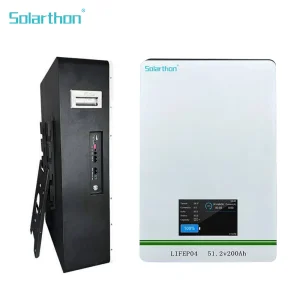
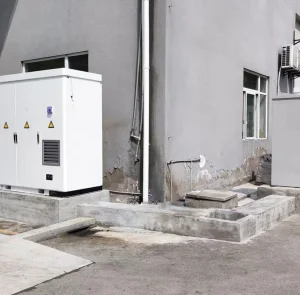
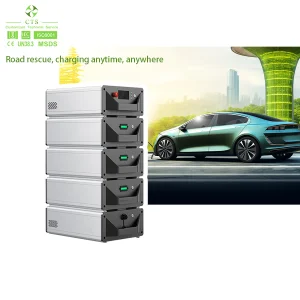
Utilizing high-density lithium storage configurations to buffer peak demand cycles. Our advanced industrial cabinet configurations act as localized microgrids, buffering electricity during low-tariff hours and releasing it safely during rapid multi-vehicle concurrent charging sessions.
Equipped with telemetry nodes that communicate operational telemetry directly to operators. Remote engineers can identify sub-module thermal deviations and dispatch hardware fixes before physical charging connections are interrupted.
With integrated Vehicle-to-Grid (V2G) standardizations, commercial vehicles function as portable auxiliary power stations. Return stored vehicle power seamlessly back to utility distribution networks during emergency macro-grid disruptions.
Deploying fast DC hubs globally demands rigorous compliance with varying domestic electrical grids. A standard CE / FCC certification is the minimum baseline. Premium tier suppliers design charging systems using galvanic isolation topologies and anti-corrosive finishes to withstand extreme seaside and high-humidity installations.
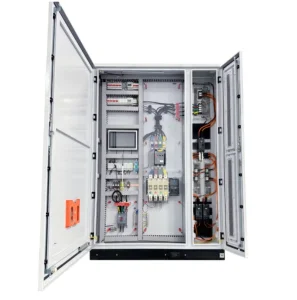
Our infrastructure options incorporate heavy-duty industrial cabinet configurations rated for IP55 and IP65 protection, guaranteeing full system performance even in regions subjected to intensive sandstorms, sub-zero winters, or extreme tropical rainfall.
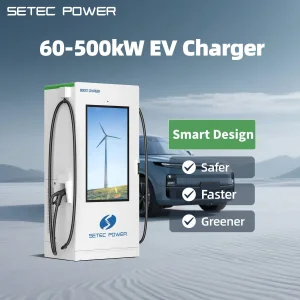
High-capacity chargers (180kW to 240kW) feature active liquid-cooled cabling and intelligent cooling fans to control ambient module temperatures. This prevents thermal throttling, maintaining optimal charging currents throughout high-demand operating cycles.
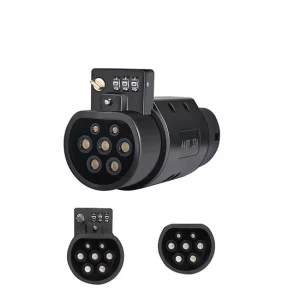
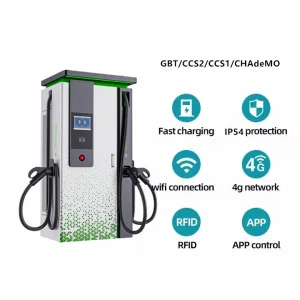
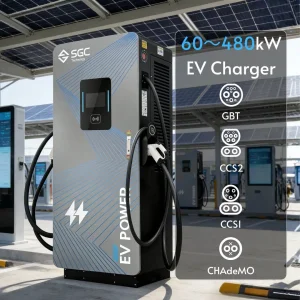
Supporting GBT, Type 2, CCS1, CCS2, and ChAdeMO within single-enclosure configurations ensures operators can service multiple vehicle styles side-by-side without investing in complex external adapter setups.
How modular EV technologies solve operational pain-points across industries.
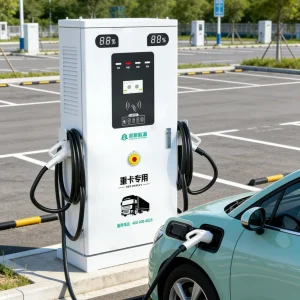
Optimizing heavy truck and delivery van replenishment. Utilizing high-efficiency 180kW-240kW stations to complete overnight fleet cycles within strict delivery windows.
Dynamic billing structures integrated with user-facing media screens. Direct OCPP cloud routing enables touchless payments and flexible ad display monetization options.
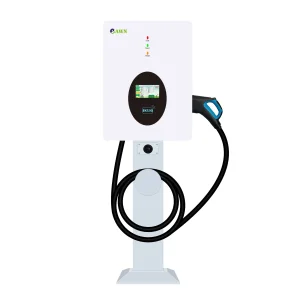
Dual-socket AC and compact DC systems. Features load sharing to deliver consistent power without exceeding existing commercial facility limits.
Deployable mobile energy storage containers designed for remote site operations, agricultural sectors, and off-grid recovery applications.
A strategic vision detailing the evolution of high-voltage power transmission.
As zero-emission shipping and heavy mining vehicles scale globally, conventional DC chargers will shift toward the Megawatt Charging Standard (MCS). Implementing higher currents (up to 3,000 Amps) requires advanced liquid-cooled connectors and rugged thermal structures designed to manage extreme energy flows safely.
Integrating AI into microgrid topologies enables charging systems to anticipate utility tariffs and adjust rates in real time. Dynamic pricing and machine learning models analyze usage patterns, optimizing stored battery storage cycles to reduce operations overhead.
Investing in smart infrastructure requires choosing modular components that can be upgraded as vehicles evolve. Purchasing single-purpose hardware leaves networks exposed to early obsolescence.
By designing cabinet solutions with hot-swappable sub-modules, owners can scale their power output from 60kW to 120kW, and eventually to 240kW, without replacing existing civil works or cabling. This modular approach preserves capital investments and guarantees future readiness.
Minimize site downtime during power upgrade cycles.
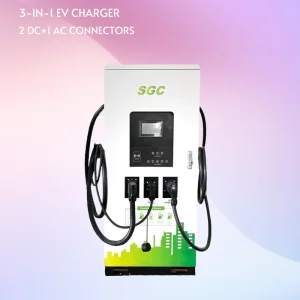
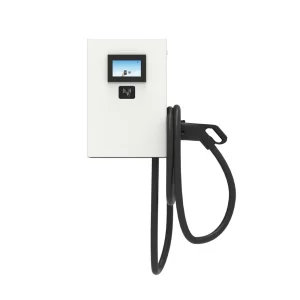
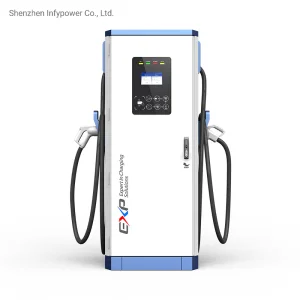
High-capacity distribution cabinets and multi-protocol rapid chargers designed for enterprise fleet hubs and service stations.

Expert answers addressing the practical challenges of grid integration, local compliance, and performance optimization.
Open Charge Point Protocol (OCPP) 1.6J facilitates secure, standardized communication over JSON via WebSockets. This lets charge point operators (CPOs) connect disparate equipment to their central monitoring servers, managing authorization, transactions, dynamic power profiles, and diagnostics without vendor lock-in.
Modular DC systems group independent power rectifiers inside a single cabinet. If one module experiences a fault, the system isolates it and dynamically redistributes the remaining load, keeping the station operational at reduced capacity rather than shutting down completely.
Yes. Premium systems feature industrial-grade powder-coated metal and marine-grade anti-corrosive treatments. Sealed electronic compartments (IP55/IP65 rated) protect sensitive internal control circuitry against salt fog, high humidity, and airborne contaminants.
Modern smart grid algorithms use low-current, controlled V2G sequences that prevent battery degradation. By scheduling discharge cycles during peak demand windows, fleet operators can offset local utility rates while preserving long-term battery health.
These stations require a 3-phase high-voltage supply (e.g., 400V AC +/-10%). Integrated power correction factors (exceeding 0.99) minimize harmonics, preventing local grid distortions and avoiding power quality surcharges from utility companies.
Solar storage systems store surplus clean energy generated during daylight hours. This stored power can then be used to supplement the grid during heavy charging periods, reducing overall grid demand and supporting zero-emission charging cycles.
 Volt Charger