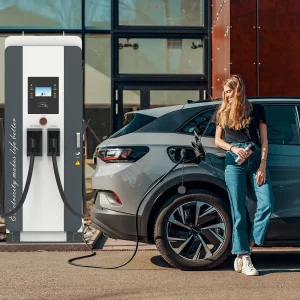
Highly customizable, utility-grade EV power delivery stations and localized battery backup architectures.
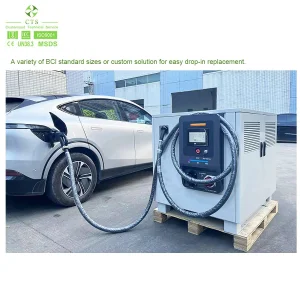

The global transition to electric mobility is no longer merely a corporate social responsibility objective; it has evolved into a strategic imperative driven by policy updates like the European Union's Fit for 55 legislation and the United States' NEVI (National Electric Vehicle Infrastructure) formula program. Large-scale procurement departments representing metropolitan transit networks, multinational logistics carriers, and commercial real estate assets are navigating highly complex infrastructural deployment challenges.
Key among these challenges is the mitigation of capital expenditure (CapEx) while planning for dynamic utility grid capacities. The integration of integrated Battery Energy Storage Systems (BESS) alongside traditional EVSE configurations represents a major paradigm shift. Procurement metrics have transitioned from simply purchasing "charging units" to engineering grid-interactive power systems capable of dynamic load shaving, reactive power support, and localized green power buffering.
As a specialized OEM/ODM manufacturer, we deliver the structural design, firmware adaptation, and physical engineering scalability required by engineering procurement firms. We build resilient equipment designed to operate optimally within complex grid architectures, providing robust performance even under extreme conditions.
Our engineered systems bridge the gap between volatile local microgrid generation and high-demand EV loads.
By coupling localized battery modules directly into DC bus lines, our smart systems shave peak loads during charging spikes. This reduces transformer overload stress and mitigates commercial demand charges by up to 45%.
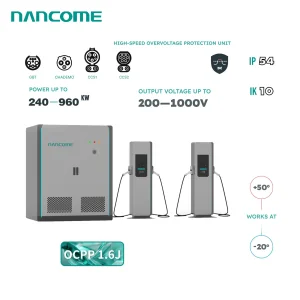
Native integration of Open Charge Point Protocol (OCPP) 1.6J/2.0.1 enables granular diagnostic streaming, automated remote firmware deployment (FOTA), and seamless integration with third-party billing and management software.
Developing next-generation resonant magnetic coupling systems. Designed for highly autonomous fleets and public parking schemes, offering automated power transfer with a transmission efficiency exceeding 92%.
Our product developments undergo strict testing protocols in specialized validation labs. We run complete thermal simulation analyses and electrical stress tests to ensure hardware integrity under diverse climatic conditions.
Our OEM/ODM solutions utilize advanced Silicon Carbide (SiC) switching devices in our power conversions modules. Compared to legacy IGBT technologies, this architecture delivers a significant reduction in thermal energy loss and allows for a smaller physical footprint.
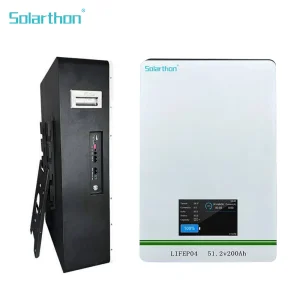
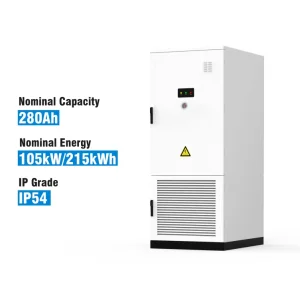
Integrating battery systems (ranging from 40kWh to 500kWh) within high-power DC fast-charging sites provides a robust solution for locations with constrained utility supply. These systems store energy during off-peak windows and output it during vehicle charging events, optimizing local infrastructure capacity.
Our standard liquid-cooled thermal systems regulate core power configurations to within ±2°C of optimal operational baselines, ensuring longevity and reliable energy delivery.
Integrating engineering expertise, quality control, and worldwide logistics support.
Hangzhou Volt Charger Co., Ltd. is a leading innovator in the electric vehicle (EV) charging industry, specializing in Portable & DC EV Chargers, EV Charging Adapters, and Smart Energy Solutions. Established in Hangzhou, China, the company has rapidly gained a reputation for delivering high-quality, reliable, and technologically advanced charging products that meet the evolving demands of EV owners and businesses worldwide.
With a commitment to sustainability and innovation, Hangzhou Volt Charger integrates cutting-edge technology into its product portfolio, offering fast, efficient, and safe charging solutions suitable for home, workplace, and public applications. Its portable chargers provide convenience for EV users on the go, while its DC fast chargers ensure rapid energy replenishment for commercial fleets and public charging stations.


The company also develops intelligent charging adapters and energy management systems, enabling seamless connectivity, real-time monitoring, and optimized power usage. By combining robust hardware with smart software, Hangzhou Volt Charger empowers clients to reduce energy costs, enhance charging efficiency, and future-proof their EV infrastructure.
Serving global markets with an emphasis on quality, safety, and customer satisfaction, Hangzhou Volt Charger Co., Ltd. is dedicated to accelerating the adoption of electric mobility and supporting a greener, smarter, and more sustainable transportation ecosystem.
Navigating global grid compliance is a crucial factor in successful international EVSE deployments. Each market poses distinct architectural and regulatory hurdles, from the European TN/TT grid configurations to North America’s split-phase layouts.
Our OEM/ODM solutions are designed to simplify compliance. We provide pre-validated charging architectures designed to align with major international standards: CE (EN 61851 series), UL 2202, UL 2594, FCC Part 15, and local Grid Codes. Our integrated electrical designs incorporate advanced protection features, including Type B RCDs, DC 6mA residual current sensors, over-voltage/under-voltage cutoffs, and multi-point thermal monitoring systems.
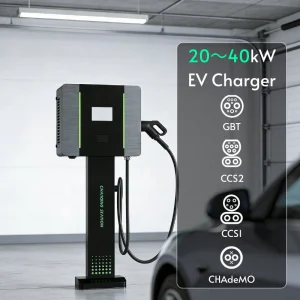
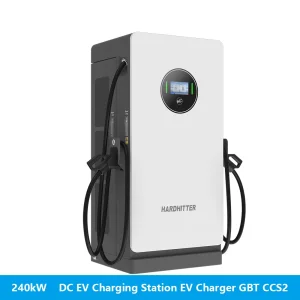
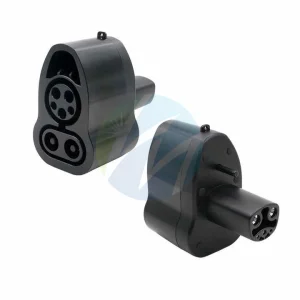
In addition, our adaptive charging connectors accommodate diverse global plug types—including CCS1, CCS2, CHAdeMO, GB/T, and the emerging NACS (SAE J3400) standard. This ensures your project integrates smoothly with existing charging systems across Europe, the Americas, Asia-Pacific, and other regional markets.
Full compliance with CE-RED directives, MID metering integration for compliant billing, and support for BS 7671 (UK PEN fault detection).
UL-certified products featuring robust NEMA 3R/4 enclosures, Energy Star efficiency rating compatibility, and CTEP certification readiness.
Specialized GB/T compatibility, enhanced dynamic cooling systems for high-humidity environments, and robust design elements to handle grid voltage fluctuations.
Essential sub-systems, high-density solar energy storage, and transition adapters for seamless connectivity.

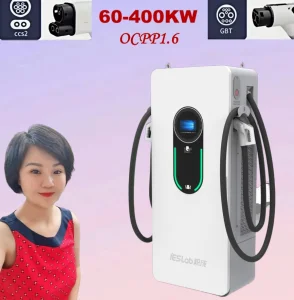
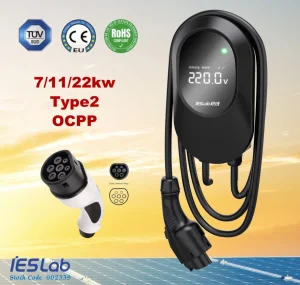
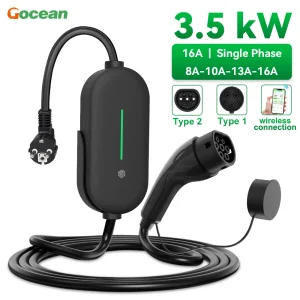
In-depth answers to key technical questions for modern commercial vehicle charging infrastructure projects.
 Volt Charger