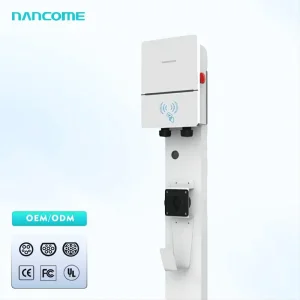
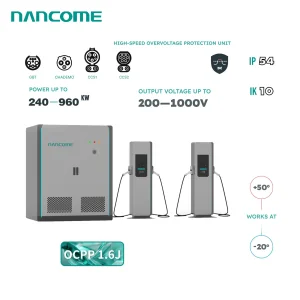
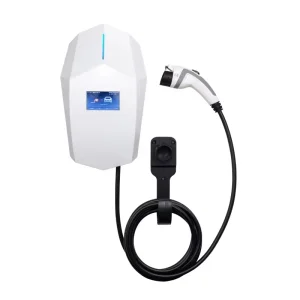
Pioneering engineering solutions configured for commercial depots, public charging networks, and premium home systems.

Analyzing Macro Shifts, Grid Integration, and Industrial OEM/ODM Capacities for Megawatt-Scale Delivery
The global transition to zero-emission transportation requires more than just standard electric vehicle chargers; it demands intelligent, highly robust, and rapidly deployable Rapid EV Charging Solutions. As battery chemistries evolve from 400V platforms to the high-voltage efficiency of 800V and 1000V configurations, the burden falls directly upon hardware manufacturing nodes to deliver high-capacity power without triggering local grid degradation. This white paper highlights how factory-level customization (OEM/ODM) operates as the core catalyst in scaling these networks globally.
Hangzhou Volt Charger Co., Ltd. sits at the front line of this revolution, combining industrial-grade manufacturing controls with modern digital orchestration. From dynamic load management algorithm development to physical SMT line board population, we control the entire vertical quality path. Our role as a primary OEM/ODM manufacturer means that we don't just supply standard hardware; we engineer systems tailored to target grid specifications, custom software integrations, and aggressive physical environmental standards.
Whether deploying low-impact destination chargers or massive megawatt charging plazas, infrastructure operators face critical bottlenecks: installation friction, thermal dissipation, compliance with international grids, and software interoperability. Volt Charger resolves these friction points through robust engineering, ensuring every fast-charging station operates at peak efficiency (96%+) over an extended product lifecycle.
Deep Technical Competence, R&D Specialization, and Scaled Production Quality Control
Hangzhou Volt Charger Co., Ltd. is a leading innovator in the electric vehicle (EV) charging industry, specializing in Portable & DC EV Chargers, EV Charging Adapters, and Smart Energy Solutions. Established in Hangzhou, China, the company has rapidly gained a reputation for delivering high-quality, reliable, and technologically advanced charging products that meet the evolving demands of EV owners and businesses worldwide.
With a commitment to sustainability and innovation, Hangzhou Volt Charger integrates cutting-edge technology into its product portfolio, offering fast, efficient, and safe charging solutions suitable for home, workplace, and public applications. Its portable chargers provide convenience for EV users on the go, while its DC fast chargers ensure rapid energy replenishment for commercial fleets and public charging stations.
The company also develops intelligent charging adapters and energy management systems, enabling seamless connectivity, real-time monitoring, and optimized power usage. By combining robust hardware with smart software, Hangzhou Volt Charger empowers clients to reduce energy costs, enhance charging efficiency, and future-proof their EV infrastructure.
Serving global markets with an emphasis on quality, safety, and customer satisfaction, Hangzhou Volt Charger Co., Ltd. is dedicated to accelerating the adoption of electric mobility and supporting a greener, smarter, and more sustainable transportation ecosystem.
From custom branding and color schemes to custom software integration, we customize hardware and firmware to target regional charging behaviors.
Full implementation of OCPP 1.6J/2.0.1, DIN 70121, ISO 15118 (Plug & Charge), enabling integration with global Charge Point Operators.
100% full-load burn-in testing, high-voltage insulation tests, environmental chamber validation, and advanced oscilloscope analysis before dispatch.
Strategic deployments mapping to public networks, fleet logistics hubs, and residential ecosystems.
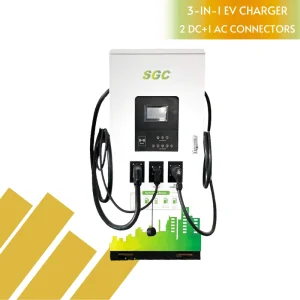
Heavy and medium-duty electric fleets operate on demanding schedules. Traditional AC or low-power DC systems cannot replenish multi-kilowatt battery packs within mandatory driver rest windows. Our split-type and megawatt charging solutions enable quick, simultaneous multi-vehicle charging. With active load management, fleet managers can prioritize vehicles based on dispatch schedules, reducing peak demand surcharges.
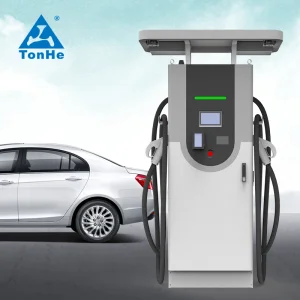
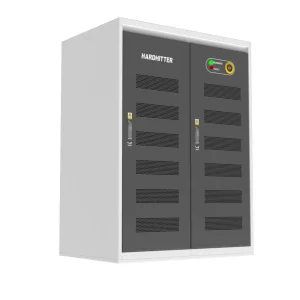
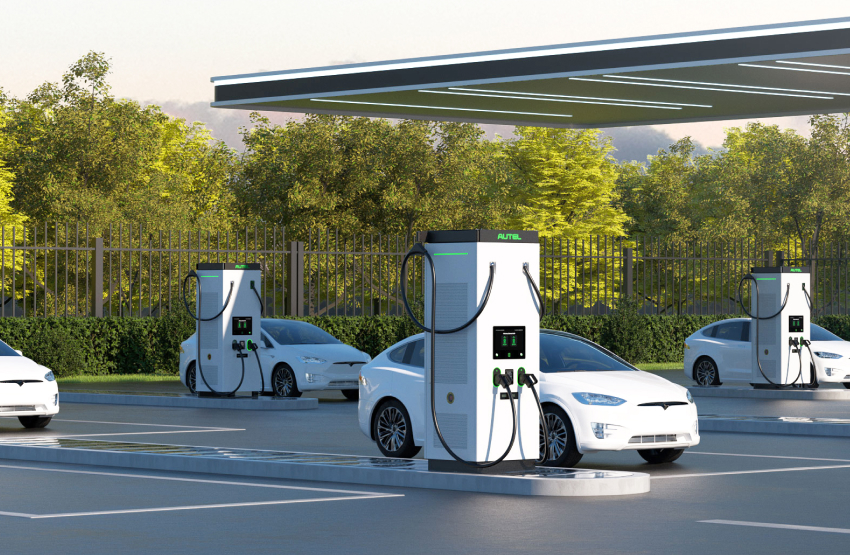
For high-frequency public charging hubs, uptime and speed are critical. Implementing 180kW to 480kW Level 3 charging cabinets allows operators to process vehicles in 15 to 30 minutes. By integrating credit card payment systems, POS terminals, and intuitive LCD user interfaces, we ensure that operators achieve high utilization rates and consistent revenue generation.
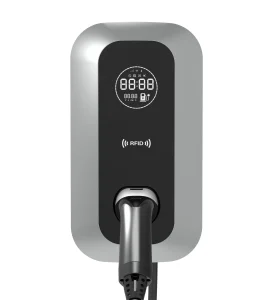
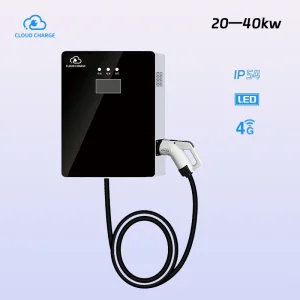
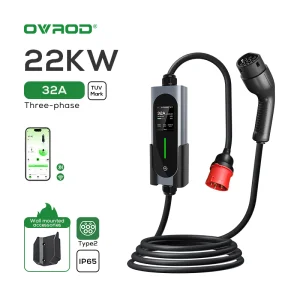
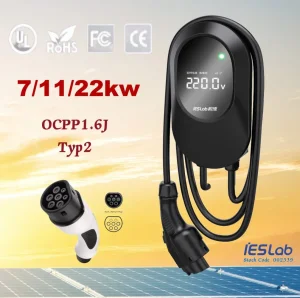
Long-duration parking calls for intelligent, compact charging configurations. Wall-mounted Type 2 AC chargers and low-power DC units (20kW to 40kW) offer cost-effective, easily installed alternatives. These units interface directly with local building management systems (BMS) through Modbus or OCPP to run load-shedding protocols, preventing substation overloads without requiring expensive grid upgrades.
Ensuring hardware performance meets localized grid standards across key international markets.
As a global OEM/ODM factory, Hangzhou Volt Charger Co., Ltd. designs systems that comply with diverse electrical grid configurations and regulatory standards worldwide. Each jurisdiction presents unique safety, electromagnetic, and billing requirements. Our hardware architectures are modular, allowing us to swap internal filter circuits, surge protections, and charging interface standards to match local regulatory demands.
| Target Region | Standards Compliance | Grid Configurations | Interface Standard | Key Safety Requirements |
|---|---|---|---|---|
| Europe (EU) | CE, RoHS, WEEE, Eichrecht (Germany) | 230V Single-Phase / 400V Three-Phase, 50Hz | CCS Type 2, IEC 62196 | RCD Type B (30mA AC / 6mA DC), MID Metering |
| North America (US/CA) | UL 2202, UL 2594, FCC Part 15 Class A | 120V / 240V Split-Phase, 480V Three-Phase, 60Hz | CCS Type 1, NACS (SAE J3400), J1772 | CCID 20 Leakage Detection, Energy Star Certification |
| Asia-Pacific (APAC) | GB/T 20234, CQC, KC, RCM | 220V Single-Phase / 380V Three-Phase, 50Hz | GB/T, Type 2, Custom adapters | High-voltage surge protection (SPD), dust & water ingress protection |
| Global / Multi-Region | IEC 61851-1/23/24, ISO 15118 | Adaptable Input Voltages (380V - 480V AC) | Universal Adapters (CCS2 to ChAdeMO/GB/T) | Over-temperature, Over-current, Short-circuit protection |
R&D priorities defining the next decade of power conversion and grid interaction.
Traditional silicon-based IGBT power modules hit a ceiling in efficiency, heat loss, and high-frequency switching. Volt Charger is shifting its core DC fast charger architectures toward Silicon Carbide (SiC) MOSFET technology. SiC modules cut switching losses by up to 50%, reduce the overall size of internal magnetics, and allow the charging system to operate with lower thermal footprints. This transition enables us to package a 40kW power module in the same footprint as our older 20kW models.
Delivering high currents (350A to 500A+) through standard copper cables produces significant resistive heat, requiring heavy and stiff cable designs. Liquid-cooling systems pump coolant directly through specialized conduits to the connector pin interfaces. This configuration reduces cable diameter and weight, making high-power DC systems manageable for everyday drivers while keeping connector pin temperatures safely below limits.
Vehicles are shifting from passive energy consumers to active mobile energy storage systems. Our technological roadmap includes native implementation of bidirectional power converters supporting ISO 15118-20. This allows fleet depots to draw power from their vehicles during peak grid tariff hours (Vehicle-to-Grid) and push energy back to industrial sites (Vehicle-to-Building), transforming EV fleets into reliable virtual power plants (VPPs).
Rather than assigning fixed power limits to specific charging outputs, our next-gen split chargers use real-time matrix power routing. An AI-driven controller monitors the state of charge (SoC), temperature, and vehicle capability. It then dynamically routes power modules in 30kW increments to the vehicles that need it most, optimizing utilization and reducing energy waste across the entire charging depot.
Addressing technical, operational, and distribution questions from project managers and engineers.
Our standard manufacturing lead time for standard products is 3-4 weeks. For custom OEM/ODM projects (involving custom sheet metal designs, specific color configurations, custom branding silkscreens, and specific firmware integrations like localized billing APIs), lead times typically range from 6 to 12 weeks, depending on regulatory review and prototype approval cycles.
Yes. All our smart AC and DC fast chargers natively support OCPP 1.6J and are upgradeable to OCPP 2.0.1. Security is handled via TLS 1.2 or TLS 1.3 with client-side certificates, ensuring secure connections with back-end management networks. We support multiple security profiles (Security Profile 1, 2, and 3), including basic auth over TLS and client-side certificate authorization.
Dynamic load balancing is supported at both local (RS-485 / Modbus RTU connection to smart energy meters) and cloud levels (via OCPP Smart Charging Profiles). The charger constantly monitors the building's main breaker load and dynamically adjusts its current output. For multi-dispenser stations, our master-slave configuration distributes power dynamically based on real-time vehicle requests, preventing main breaker trips.
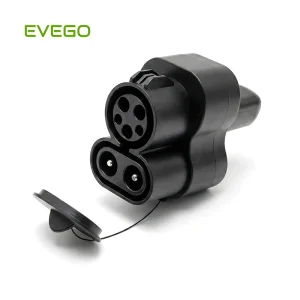
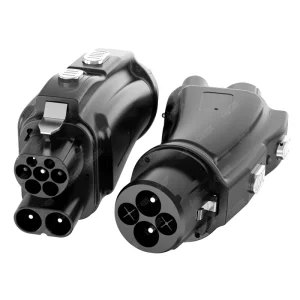
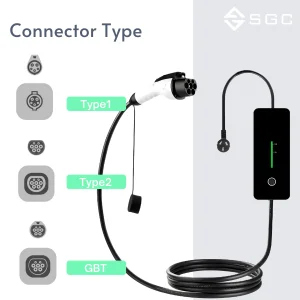
Yes, we offer NACS (SAE J3400) connectors as a direct option on our public and commercial charging lines, alongside CCS Type 1 and Type 2 connectors. We also supply premium conversion adapters (such as CCS1 to J1772 and CCS2 to CHAdeMO) designed for interoperability across different fleet architectures.
Our DC fast chargers feature multi-point thermal monitoring. Temperature sensors are embedded inside the power modules, main control board, and input/output terminals. Additionally, the charging guns (CCS1/CCS2/NACS) have NTC thermistors integrated directly into the power pins. If temperatures exceed 80°C, the system reduces the charging current; if temperatures exceed 85°C, it shuts down to protect the vehicle and the charging station.
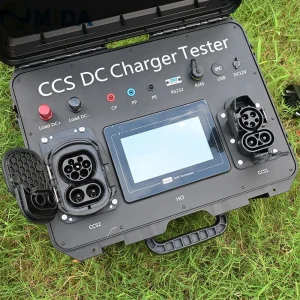
Commercial-grade testing instrumentation, portable chargers, and conversion components for dynamic fleet demands.
 Volt Charger