Deploy highly modular, OCPP-integrated fast chargers designed for retail parking hubs, corporate vehicle yards, and heavy-duty electric corridors.

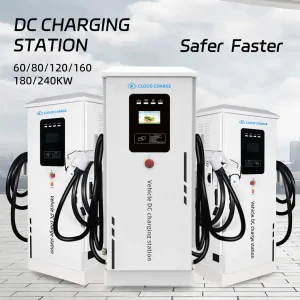
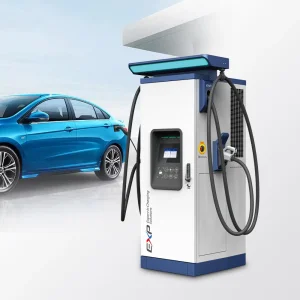
The global transition to electric vehicles (EVs) has evolved from a regulatory imperative into a competitive commercial strategy for corporations, logistics operators, and public sector organizations. As fleet operators transition to electric alternatives and municipalities construct comprehensive transit infrastructure, the demand for scalable, high-volume public charging solutions has intensified. Simply offering low-capacity AC charging stations is no longer sufficient to sustain multi-industry transitions. High-capacity DC fast charging systems, integrated with robust communications and dynamic power management systems, represent the new foundation of industrial mobility.
This transformation is characterized by unique geographical and structural requirements. In Europe, standardizing infrastructure under the CCS2 (Combined Charging System Type 2) format, paired with the universal Open Charge Point Protocol (OCPP), has allowed charge point operators (CPOs) to build interoperable charging systems that span multiple countries. Meanwhile, North America relies heavily on CCS1 and is rapidly adopting the NACS (North American Charging Standard) format, demanding adaptive manufacturing from hardware exporters. In the Asia-Pacific region, rapid infrastructure deployment relies on high-density grid integrations, combining local solar generation with mega-watt charging systems (MCS) to support electric heavy-duty fleets and urban bus networks.
The primary barrier to successful public EV charging deployment is no longer vehicle range; it is the availability of high-power public access hubs. Key infrastructure projects require resilient charging systems capable of withstanding varied environmental conditions while delivering optimal power output. CPOs must select hardware that matches these operational needs. Solutions must offer modular service designs, dynamic power distribution, and multi-tier cybersecurity safeguards to protect localized electrical grids from voltage fluctuations and data security breaches.
Understanding the technical developments shaping modern EV infrastructure deployment, from software flexibility to grid integration.
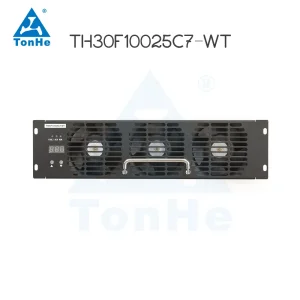
Moving away from monolithic power structures, modern fast chargers use hot-swappable 30kW and 40kW power modules. This architecture prevents single points of failure, ensuring stations remain online even during maintenance cycles.
Intelligent power allocation routes electricity to connected vehicles based on real-time state-of-charge (SoC). This optimization reduces grid demands and speeds up turnaround times at public stations.
Bi-directional charging and Vehicle-to-Grid (V2G) applications turn electric vehicle fleets into mobile battery reserves, feeding power back into the grid during peak loads to stabilize municipal networks.
Hangzhou Volt Charger Co., Ltd. is a leading innovator in the electric vehicle (EV) charging industry, specializing in Portable & DC EV Chargers, EV Charging Adapters, and Smart Energy Solutions. Established in Hangzhou, China, the company has rapidly gained a reputation for delivering high-quality, reliable, and technologically advanced charging products that meet the evolving demands of EV owners and businesses worldwide.
With a commitment to sustainability and innovation, Hangzhou Volt Charger integrates cutting-edge technology into its product portfolio, offering fast, efficient, and safe charging solutions suitable for home, workplace, and public applications. Its portable chargers provide convenience for EV users on the go, while its DC fast chargers ensure rapid energy replenishment for commercial fleets and public charging stations.
The company also develops intelligent charging adapters and energy management systems, enabling seamless connectivity, real-time monitoring, and optimized power usage. By combining robust hardware with smart software, Hangzhou Volt Charger empowers clients to reduce energy costs, enhance charging efficiency, and future-proof their EV infrastructure.
Serving global markets with an emphasis on quality, safety, and customer satisfaction, Hangzhou Volt Charger Co., Ltd. is dedicated to accelerating the adoption of electric mobility and supporting a greener, smarter, and more sustainable transportation ecosystem.

Through state-of-the-art facilities in Hangzhou, China, Volt Charger operates under comprehensive manufacturing guidelines. Testing and validation processes ensure that every modular power supply, charging controller, and fire safety mechanism operates reliably. Product designs undergo strict thermal stress testing, moisture isolation checks, and electrical cycle runs before international distribution.
Volt Charger engineers collaborate directly with global utility developers and private enterprise networks. This ensures hardware is optimized to communicate seamlessly with third-party billing engines and grid management systems via OCPP compliance. The resulting integration reduces setup challenges for municipal and commercial transit programs.
Global Export Markets
Power Module Efficiency
Weatherproof Rating
Auto Fire Suppression
Designing and deploying public EV charging infrastructure requires customizing systems to match specific operational settings. A one-size-fits-all approach cannot address the distinct challenges of high-density metropolitan areas, commercial fleet depots, or outdoor recreation spaces. Hangzhou Volt Charger resolves these challenges by customizing hardware interfaces and power profiles to match specific localized scenarios.
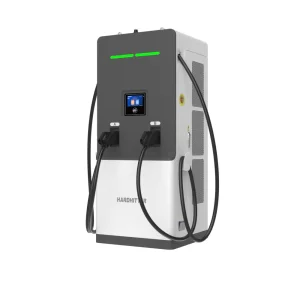
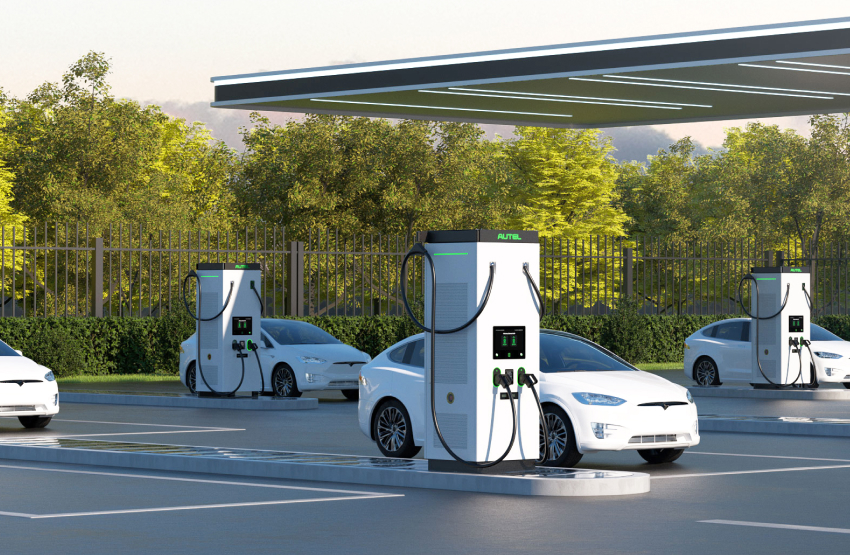
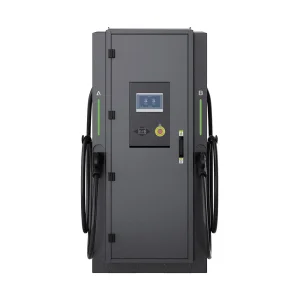
Retail charging stations serve a dual purpose: they must charge vehicles efficiently while attracting consumers to nearby businesses. In these environments, charging hardware must be easy to use and visually cohesive. Systems require multiple high-capacity outputs (such as dual 60kW to 180kW DC cabinets) to accommodate different vehicle models. Integrating WiFi, 4G, and Bluetooth networks ensures that users can easily process payments, view charge status, and receive real-time updates directly on their mobile devices.
For municipal transit systems, regional delivery services, and private logistics operators, charging speed and equipment uptime are critical to maintaining schedules. In these settings, charging systems must deliver high power outputs—often between 240kW and 400kW. High-power DC fast-charging stations are combined with dynamic power routing systems to charge vehicle batteries sequentially or concurrently based on priority. Dual DC outputs and robust protection systems enable continuous, heavy-duty operation in industrial yards.
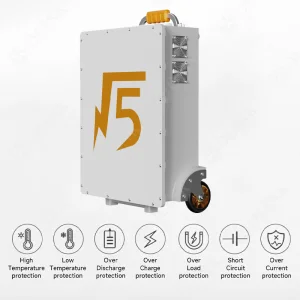
As EV adoption extends beyond cities, national parks, remote campsites, and highway rest areas require reliable charging networks. These sites often face power grid limitations that make traditional grid-connected chargers impractical. Volt Charger addresses this need with off-grid solutions like the 5kWh Mobile Solar Storage & Charging Device. By combining local solar power generation with integrated battery storage, these systems provide reliable charging options in remote locations without requiring expensive grid expansions.
As the EV market matures, the underlying charging technology must evolve to handle higher current rates, dynamic load sharing, and advanced safety protocols. Hangzhou Volt Charger's technology roadmap focuses on three main pillars: modular power conversion, standardized communication protocols, and integrated safety systems.
By utilizing 30kW and 40kW high-efficiency silicon carbide (SiC) modules, Volt Charger configurations reach up to 400kW. If a single module experiences a fault, the system isolates it, allowing the remaining modules to continue operating and preventing complete station outages.
High-current charging generates significant heat within charging cabinets and cables. Volt Charger systems feature advanced liquid and forced-air cooling designs that regulate temperatures during peak power delivery, protecting internal electronics and extending hardware lifespan.
High-power charging stations require proactive safety systems. Volt Charger integrates specialized fire protection networks, such as Perfluorohexanone (FK-5-1-12) systems operating at 5.6MPa, which suppress fire within charging cabinets instantly without leaving conductive residue.
Modern charging infrastructure projects require integrated solutions that combine hardware, software, and safety protocols into a cohesive system. Hangzhou Volt Charger delivers comprehensive turnkey solutions that simplify setup, monitoring, and power management for Charge Point Operators (CPOs) and fleet administrators.
Integrating OCPP 1.6J and OCPP 2.0.1 communication protocols ensures compatibility with leading global payment networks, user verification systems, and smart grid control platforms. Operators can monitor charging sessions, adjust power limits remotely to avoid peak-demand utility charges, and analyze performance data through unified management dashboards. This level of control reduces operating costs and optimizes energy use across the entire charging network.
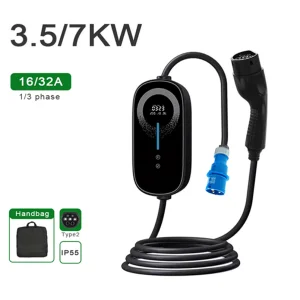
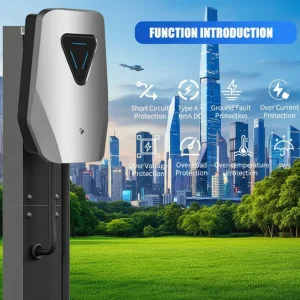
In addition, Volt Charger designs safety systems that protect both the equipment and the surrounding property. Heavy-duty charging cabinets are built to IP54 and IP55 standards, protecting internal electronics from water and dust ingress in harsh climates. Built-in overvoltage, ground-fault, and overtemperature protections operate independently at the hardware level, protecting vehicles and infrastructure from power grid fluctuations.
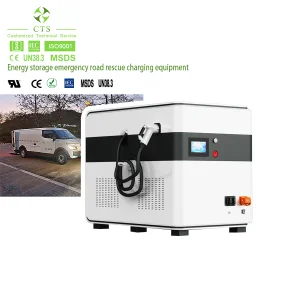
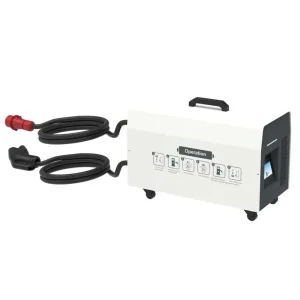
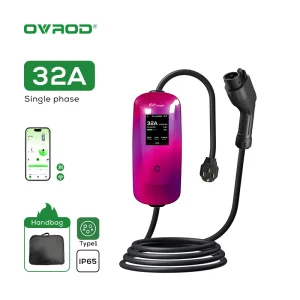
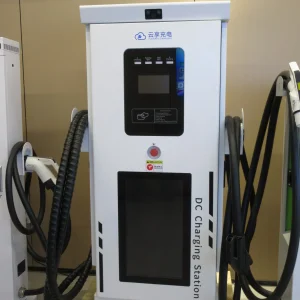
Browse our range of high-efficiency DC fast chargers, mobile recovery units, and integrated safety systems for public networks.

 Volt Charger