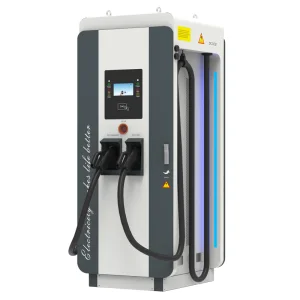
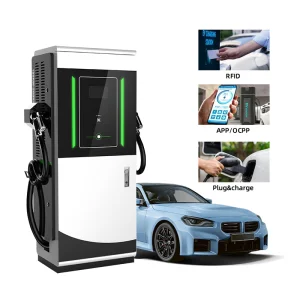
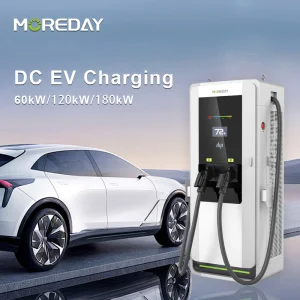
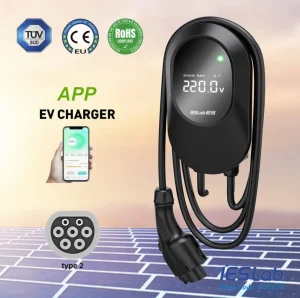
The global shift toward electric mobility is no longer a distant trend—it is a current reality reshaping the commercial and industrial landscape. Retail parking lots, once viewed as simple storage spaces for vehicles, are rapidly evolving into critical energy hubs. From massive shopping malls in North America to urban grocery chains in Europe and the booming commercial centers in Southeast Asia, the demand for integrated EV charging solutions is skyrocketing.
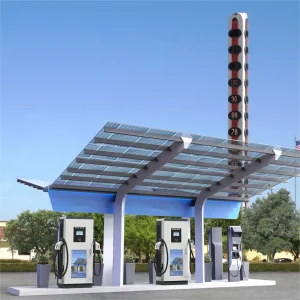
Industrially, the integration of Retail Parking EV Chargers is driven by "destination charging" logic. Consumers favor locations where they can replenish their vehicle's battery while they shop, dine, or watch a movie. This synergy between retail and energy has created a multi-billion dollar market for OEM/ODM EV charger manufacturers capable of providing scalable, branded, and networked hardware.
Providing EV charging keeps shoppers on-site longer, directly increasing the average transaction value per customer visit.
Global enterprises are under pressure to meet Environmental, Social, and Governance (ESG) mandates by reducing carbon footprints.
Parking lot owners can monetize charging services through direct billing or by selling advertising on charger displays.
The Retail Parking EV Charging industry is moving beyond basic plug-and-charge functionality. Today, we see a massive push toward Dynamic Load Balancing (DLB) and AI-driven energy management. As retail sites add more chargers, the local grid capacity becomes a bottleneck. Smart OEM solutions allow for multiple chargers to operate simultaneously without overloading the facility's power supply.
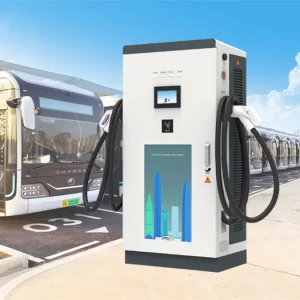
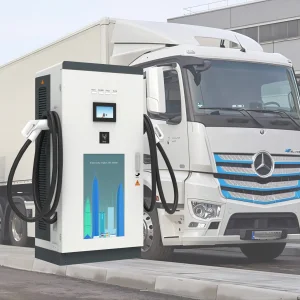
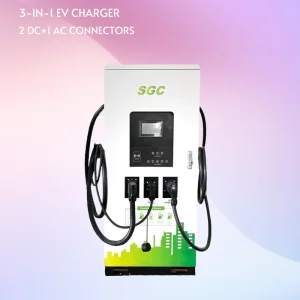
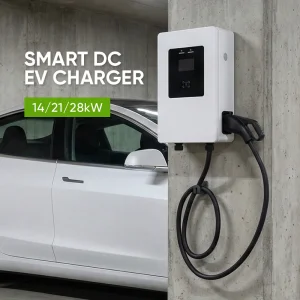
Furthermore, High-Speed DC Charging is becoming the standard for big-box retailers where shoppers stay for 30-60 minutes. Providing a 160kw ultra-fast charge allows a vehicle to gain significant range during a quick grocery run. Meanwhile, AC chargers (7kw-22kw) remain the cost-effective choice for hotel parking and long-term stays.
Global procurement teams from retail giants like Walmart, IKEA, or Carrefour look for specific criteria when selecting an EV charger factory. These include OCPP 1.6J/2.0.1 compatibility for software flexibility, ruggedized design for outdoor durability (IP54/IP55), and modular hardware for easy maintenance.
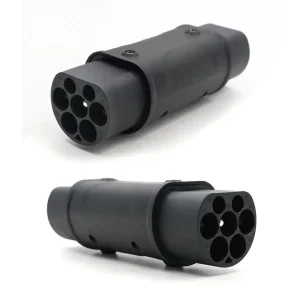
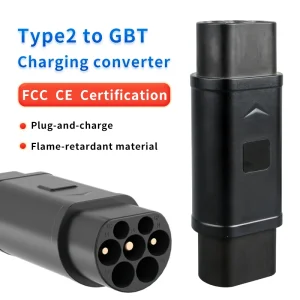
In Europe, the focus is on Type 2 connectors and billing compliance (MID meters), while in the USA, NACS and CCS1 standards dominate. As a leading Chinese EV Charger Manufacturer, we provide localized hardware configurations that meet CE, TUV, UL, and Energy Star requirements, ensuring seamless deployment in any geographical region.
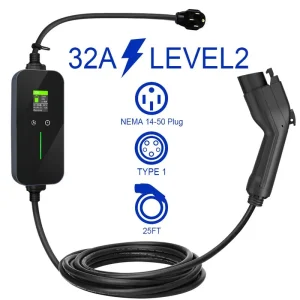
Hangzhou Volt Charger Co., Ltd. is a leading innovator in the electric vehicle (EV) charging industry, specializing in Portable & DC EV Chargers, EV Charging Adapters, and Smart Energy Solutions. Established in Hangzhou, China, the company has rapidly gained a reputation for delivering high-quality, reliable, and technologically advanced charging products that meet the evolving demands of EV owners and businesses worldwide.
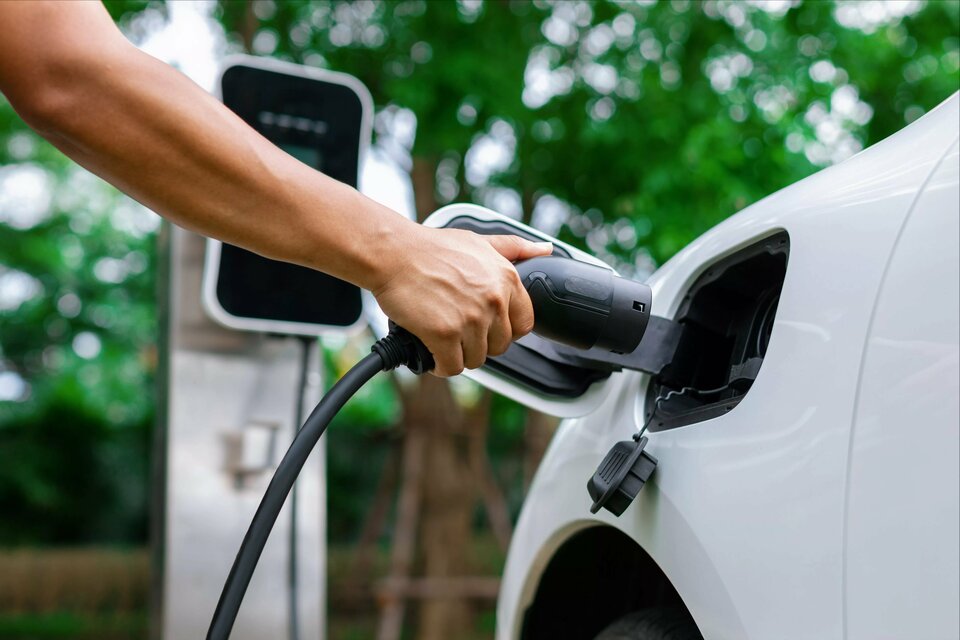
With a commitment to sustainability and innovation, Hangzhou Volt Charger integrates cutting-edge technology into its product portfolio, offering fast, efficient, and safe charging solutions suitable for home, workplace, and public applications. Its portable chargers provide convenience for EV users on the go, while its DC fast chargers ensure rapid energy replenishment for commercial fleets and public charging stations.
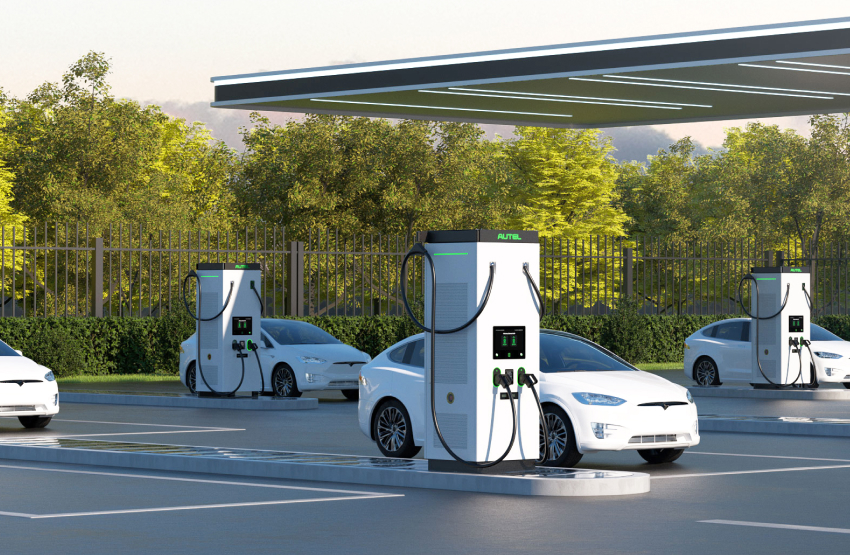
The company also develops intelligent charging adapters and energy management systems, enabling seamless connectivity, real-time monitoring, and optimized power usage. By combining robust hardware with smart software, Hangzhou Volt Charger empowers clients to reduce energy costs, enhance charging efficiency, and future-proof their EV infrastructure.
Serving global markets with an emphasis on quality, safety, and customer satisfaction, Hangzhou Volt Charger Co., Ltd. is dedicated to accelerating the adoption of electric mobility and supporting a greener, smarter, and more sustainable transportation ecosystem.
 Volt Charger