Explore our core certified EV chargers and energy modules engineered for resilience, interoperability, and high power efficiency.
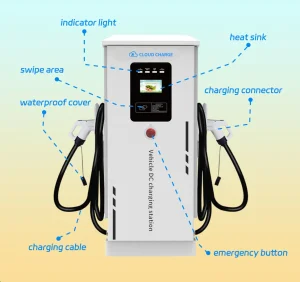
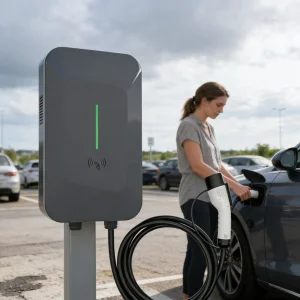
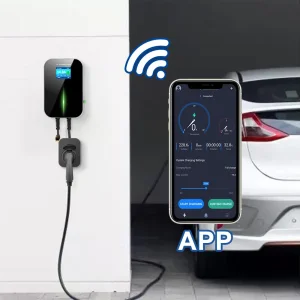

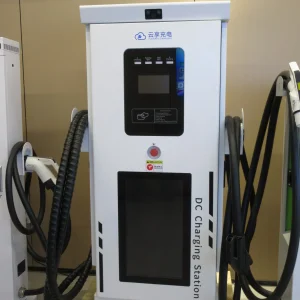
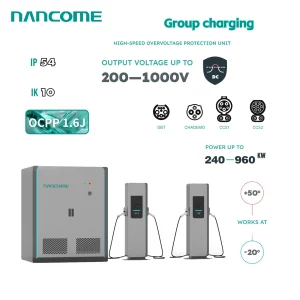

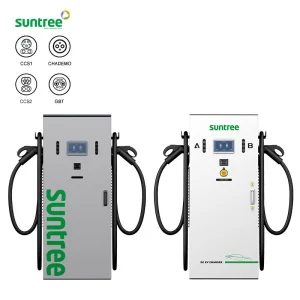
The global transportation ecosystem is undergoing an unprecedented structural transition towards electrification. However, traditional fixed-grid infrastructure deployment is severely bottlenecked by electrical grid capacity constraints, complex zoning laws, and prohibitive upfront capital expenses. At this juncture, **mobile EV charging applications** have emerged as a vital architectural safety valve for grid stability and fleet operations.
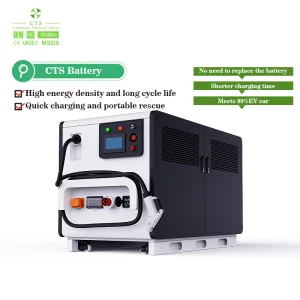
Unlike static charging pillars, mobile charging systems integrate high-capacity energy storage media (such as LiFePO4 battery packs) with high-voltage DC fast-charging power modules. This dynamic pairing enables decentralized energy distribution, load-shifting capabilities, and rapid emergency power response. With the implementation of the **OCPP 2.0.1 and ISO 15118 protocols**, mobile charging units are no longer isolated energy silos; they are now fully integrated as intelligent nodes within the Smart Grid (V2G) framework.
Industry analysts forecast that the market for mobile energy storage and flexible EV fast-charging units will experience a compound annual growth rate (CAGR) exceeding 28.5% over the next decade. As logistics fleets, municipal services, and roadside assistance networks transition to zero-emission structures, the adaptability of mobile off-grid charging becomes a decisive operational asset.
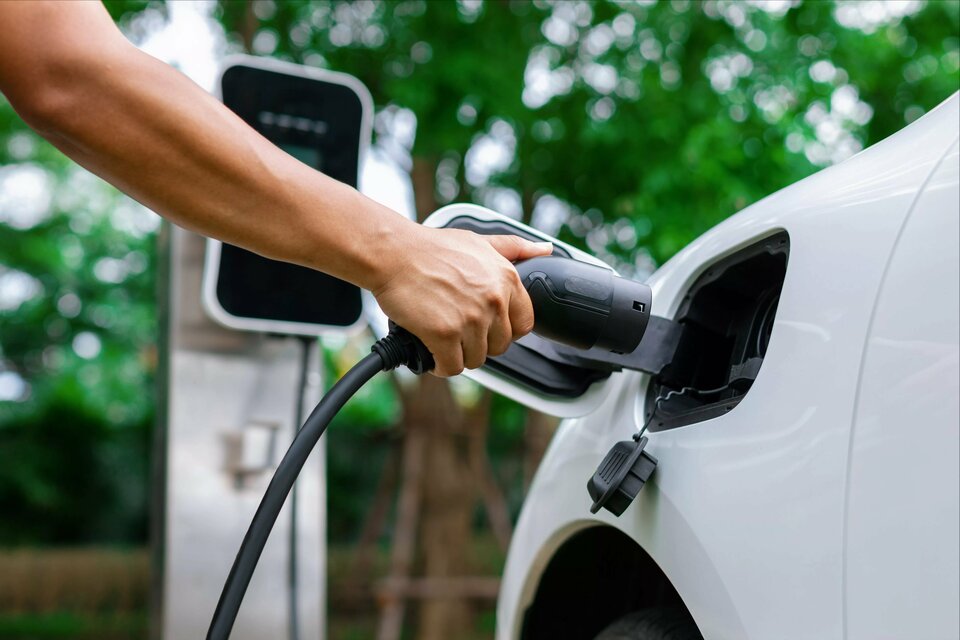
By absorbing power during low-demand periods and discharging to EVs during peak rates, mobile stations mitigate high demand charges and protect localized distribution transformers from overload.
Seamlessly interface with global charging management platforms. Dynamic load balancing and remote diagnostic capabilities drastically minimize site visit costs for fleet operations.
Utilizing high-grade IP55/IP65 protective enclosures and intelligent natural cooling combined with active liquid cooling, units maintain optimal charging curves from -25°C to +55°C.
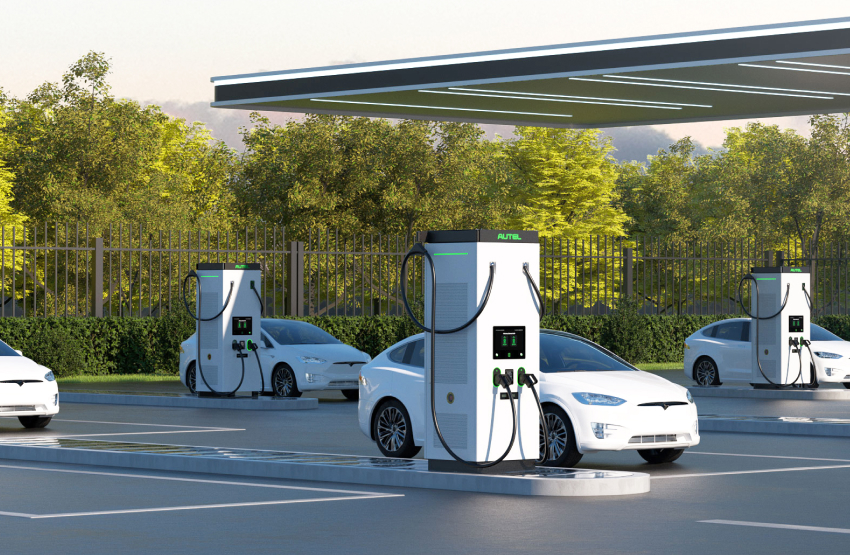
Why do global operators and municipal developers trust Chinese manufacturing for mobile EV infrastructure? The answer lies in **China's Industry 4.0 integrated supply chain**. Hangzhou, as a technology and engineering hub, provides unprecedented access to semiconductor fabrication, raw lithium refinement, battery management system (BMS) design, and mechanical structure extrusion within a 100-kilometer radius.
This localized supply chain density guarantees massive advantages in agility, component sourcing, and rapid iteration. When a global enterprise requires specific customizations—such as matching unique CCS Type 1 or Type 2 connector pin configurations, retrofitting liquid-cooled power cables, or developing custom OCPP server connections—the design-to-prototype cycle is compressed by more than 60% compared to Western manufacturers.
Furthermore, automated robotic assembly lines ensure absolute consistency in cell welding, thermal paste application, and electrical insulation tests. Rigorous testing regimes include multi-axis vibration testing (to simulate mobile transport fatigue), high-humidity thermal chambers, and continuous 100% duty cycle burn-in testing under full load conditions.
Hangzhou Volt Charger Co., Ltd. is a leading innovator in the electric vehicle (EV) charging industry, specializing in Portable & DC EV Chargers, EV Charging Adapters, and Smart Energy Solutions. Established in Hangzhou, China, the company has rapidly gained a reputation for delivering high-quality, reliable, and technologically advanced charging products that meet the evolving demands of EV owners and businesses worldwide.
With a commitment to sustainability and innovation, Hangzhou Volt Charger integrates cutting-edge technology into its product portfolio, offering fast, efficient, and safe charging solutions suitable for home, workplace, and public applications. Its portable chargers provide convenience for EV users on the go, while its DC fast chargers ensure rapid energy replenishment for commercial fleets and public charging stations.
The company also develops intelligent charging adapters and energy management systems, enabling seamless connectivity, real-time monitoring, and optimized power usage. By combining robust hardware with smart software, Hangzhou Volt Charger empowers clients to reduce energy costs, enhance charging efficiency, and future-proof their EV infrastructure. Serving global markets with an emphasis on quality, safety, and customer satisfaction, Hangzhou Volt Charger Co., Ltd. is dedicated to accelerating the adoption of electric mobility and supporting a greener, smarter, and more sustainable transportation ecosystem.
| Feature Set | Hangzhou Volt Mobile DC Units | Traditional Static DC Fast Chargers | Grid-tied AC Level 2 Wallboxes |
|---|---|---|---|
| Installation Complexity | Zero civil engineering; plug-and-play setup. | Months of zoning permits, excavation, and cable routing. | Requires local wall mounting and dedicated breakers. |
| Grid Connection Need | Buffer-charged via standard outlets or off-grid storage. | Direct high-capacity grid drop (transformer upgrade). | Standard single or three-phase utility connection. |
| Capital Expenditure (CAPEX) | Low-to-Medium (No heavy infrastructural layout costs). | Very High (transformer costs, trenching, municipal fees). | Low (but highly limited charging speeds). |
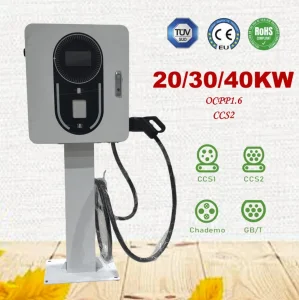
| Interoperability & Protocol | OCPP 1.6J/2.0.1, V2G support, Dual CCS1/CCS2/GBT. | OCPP integrated, fixed configuration. | Basic smart charging functionality. |
| Mobility & Scalability | 100% portable on wheels, trailer mountable. | Completely static. Non-relocatable. | Semi-permanent mounting. |
Deciphering key quality parameters, certifications, and compliance benchmarks demanded by institutional B2B buyers.
B2B procurement programs require rigorous certification alignment. Systems must be CE-certified, UL-listed, and carry TUV Rheinland or RoHS marks. This guarantees mechanical strength, electrical insulation, and chemical safety compliance across European and North American markets.
Dual-isolation monitoring, ground-fault protection (RCD Type B), thermal run-away prevention algorithms, and integrated aerosol-based fire suppression systems are essential. Operational redundancy must exist at the BMS, control module, and software API layers.
Modern fleet managers demand APIs that inject charging telematics directly into their proprietary Enterprise Resource Planning (ERP) tools. This includes live SOC (State of Charge), health diagnostics, location tracking, and customizable white-label software skins.
From remote industrial operations to ultra-busy urban centers, mobile charging answers complex municipal and corporate problems.
Traditional diesel tow trucks are increasingly replaced or supplemented by mobile charging response vehicles. When an EV depletes its battery pack on a remote highway, a mobile 60kW or 120kW DC Fast Charger can inject 15–20 miles of range within 10 minutes, eliminating the cost and logistical complexity of flatbed towing.
Delivery fleets (e.g., Amazon, DHL, FedEx sub-contractors) face strict parcel routing schedules. Installing static 150kW chargers can trigger commercial utility delays of 12 to 18 months. Deploying mobile battery-backed fast chargers bypasses grid upgrades entirely, letting logistics companies scale up operations immediately.
Industrial machinery, mining excavators, and site vehicles are undergoing rapid electrification. Since construction fronts move dynamically, laying down fixed electrical cables is counterproductive. Ruggedized mobile chargers with high-durability enclosures and active dust filtration supply rapid power at the work face.
Amusement parks, music festivals, and ski resorts experience dramatic peak-demand swings during specific holidays or seasons. Deploying modular mobile chargers on a temporary basis avoids the underutilization of permanent grid connections during off-seasons, optimizing capital efficiency.
Expert technical answers covering thermal management, battery safety, protocol compliance, and integration pipelines.
Discover our heavy-duty power modules, high-capacity home and utility storage cabinets, and portable specialty systems.


 Volt Charger