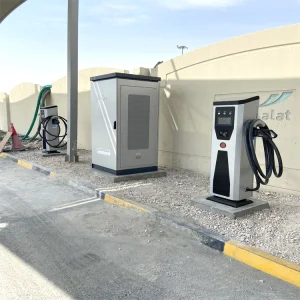
Decoding the shift from "Passive Charging" to "Active Energy Management"
The industry is moving toward direct DC coupling, where solar panels charge EV batteries without multiple AC/DC conversions, increasing efficiency by up to 15%.
EVs are no longer just consumers; they are becoming mobile energy storage units capable of powering households during peak grid prices or outages.
Smart Energy Management Systems (EMS) use machine learning to predict solar yield and optimize charging schedules for the lowest carbon footprint.
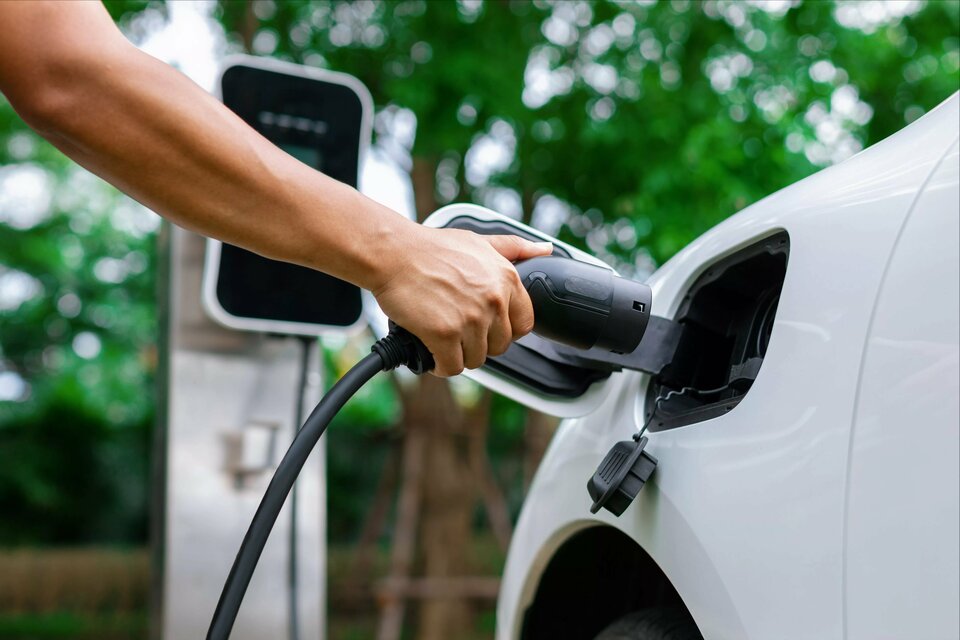
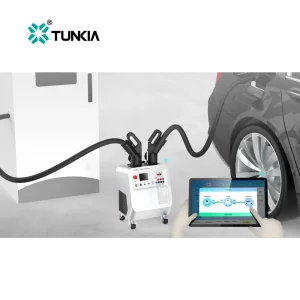
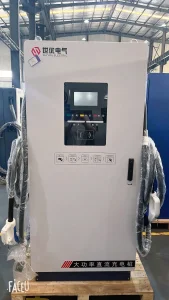
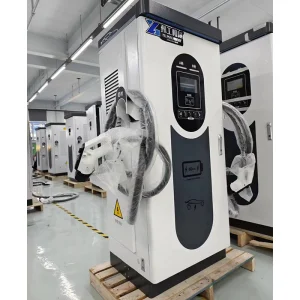
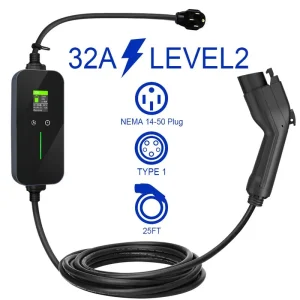
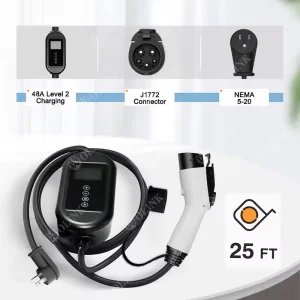
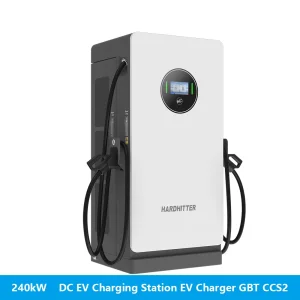
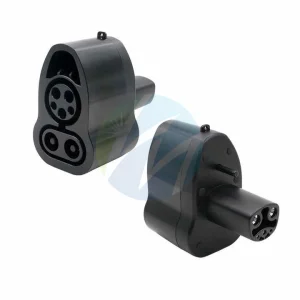
Hangzhou Volt Charger Co., Ltd. is a leading innovator in the electric vehicle (EV) charging industry, specializing in Portable & DC EV Chargers, EV Charging Adapters, and Smart Energy Solutions. Established in Hangzhou, China, the company has rapidly gained a reputation for delivering high-quality, reliable, and technologically advanced charging products.
With a commitment to sustainability and innovation, Hangzhou Volt Charger integrates cutting-edge technology into its product portfolio, offering fast, efficient, and safe charging solutions suitable for home, workplace, and public applications. Its portable chargers provide convenience for EV users on the go, while its DC fast chargers ensure rapid energy replenishment.
Enterprises prioritize OCPP 1.6J/2.0.1 compliance for backend management. Ensuring hardware works with diverse CPO (Charge Point Operator) software is a non-negotiable requirement for commercial scalability.
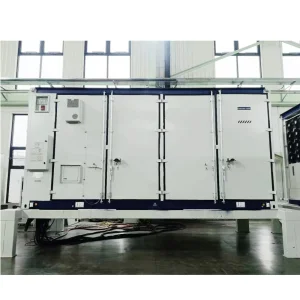
Modern procurement looks for Modular Power Cubes. As fleet sizes grow, the ability to increase capacity from 100kWh to 500kWh without replacing entire systems is a key cost-saving factor.
Effective suppliers provide local grid code compliance (e.g., G99 in UK, UL in US) and technical documentation in local languages to facilitate permit approvals.
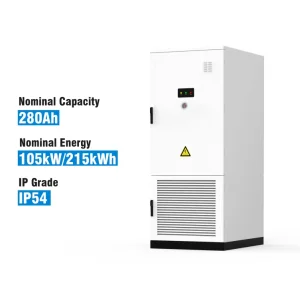
Deep E-E-A-T research shows that safety features like Liquid Cooling and Active Fire Suppression in battery cabinets are now primary selection criteria for high-density urban installations.
Mass adoption of V2X technologies in home chargers.
Integration of SiC (Silicon Carbide) for 400kW+ home units.
Introduction of solid-state ESS for higher safety.
Resonant inductive charging for residential garages.
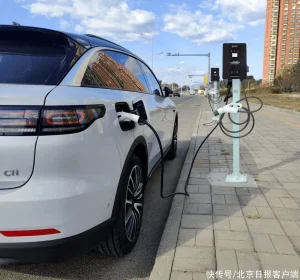
The global transition to electric mobility is facing a significant challenge: grid capacity. In many residential areas, the existing transformer infrastructure cannot support simultaneous high-speed EV charging. This is where Home Solar Charging Solutions provide an essential macro-level fix. By integrating decentralized photovoltaic (PV) generation with energy storage systems (ESS), we reduce the peak load on municipal grids.
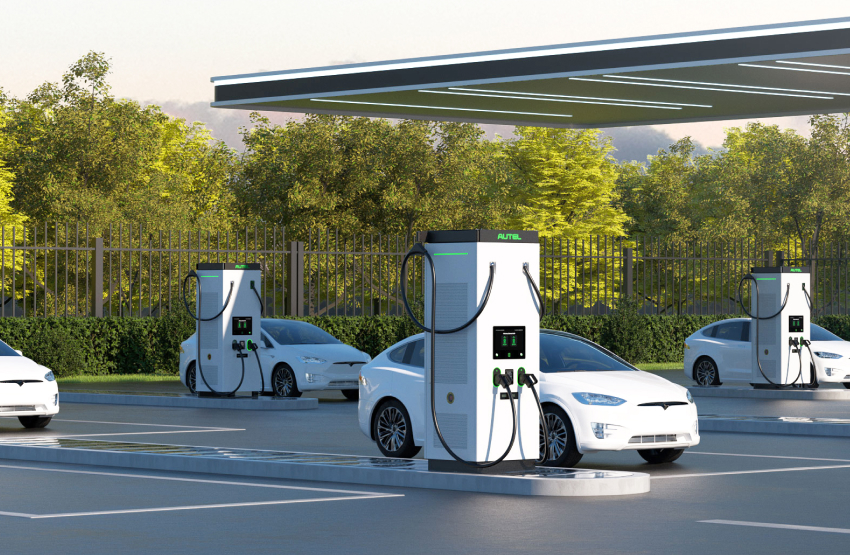
The concept of "Solar-Storage-Charging" (SSC) is becoming the blueprint for smart cities. For factories and suppliers, this means moving beyond selling a standalone "plug" and instead offering a holistic energy ecosystem. This ecosystem includes high-cycle LFP batteries, hybrid inverters, and high-protection DC chargers. Hangzhou Volt Charger’s focus on IP55-rated systems with 8000+ cycles exemplifies the durability required for this 20-year infrastructure play.
Furthermore, the democratization of energy is a key driver. Homeowners are no longer passive consumers but "prosumers." Suppliers who provide transparent data via intelligent energy management systems empower these users to participate in demand-response programs, effectively turning every home into a micro-power plant. This shift is critical for achieving Net Zero targets globally.
These large-scale cabinets allow for "Peak Shaving" and "Load Shifting." They store excess solar energy generated during the day and discharge it to charge multiple EVs at night, or even power the entire home, ensuring zero reliance on the grid.
OCPP (Open Charge Point Protocol) 1.6j allows the charger to communicate with smart grids and third-party apps. This enables features like remote start/stop, load balancing, and automated billing, which are essential for multi-family dwellings or workplaces.
Yes. Many portable chargers now support adjustable current (e.g., 3.5kW to 7kW). By adjusting the charging speed to match your current solar output, you can ensure your car is powered by 100% renewable energy without pulling from the grid.
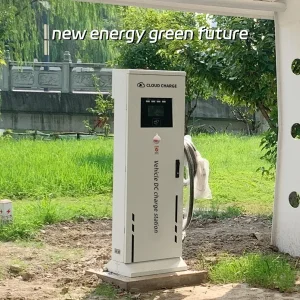
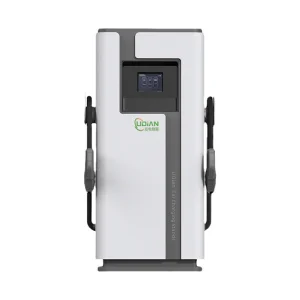
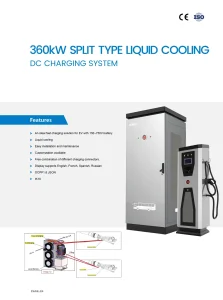
Liquid cooling prevents thermal throttling during high-power sessions (like 240kW or 360kW). This keeps components at optimal temperatures, extending the lifespan of both the charger and the vehicle battery while maintaining maximum charging speed.
 Volt Charger