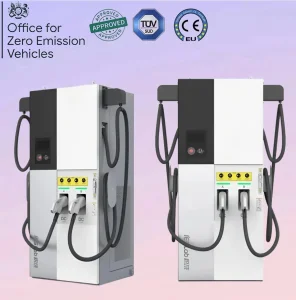
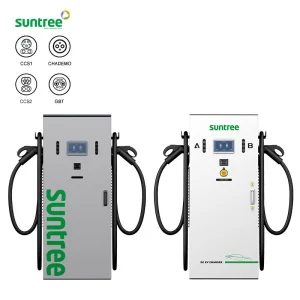
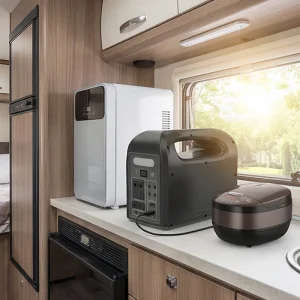
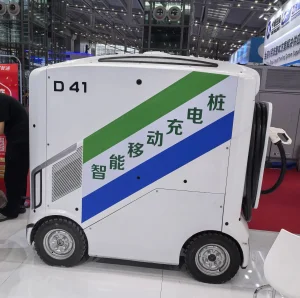
Hangzhou Volt Charger Co., Ltd. is a leading innovator in the electric vehicle (EV) charging industry, specializing in Portable & DC EV Chargers, EV Charging Adapters, and Smart Energy Solutions. Established in Hangzhou, China, the company has rapidly gained a reputation for delivering high-quality, reliable, and technologically advanced charging products that meet the evolving demands of EV owners and businesses worldwide.
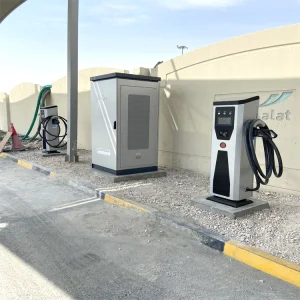
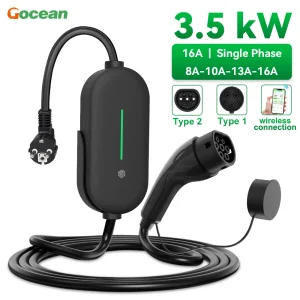
With a commitment to sustainability and innovation, Hangzhou Volt Charger integrates cutting-edge technology into its product portfolio, offering fast, efficient, and safe charging solutions suitable for home, workplace, and public applications. Its portable chargers provide convenience for EV users on the go, while its DC fast chargers ensure rapid energy replenishment for commercial fleets and public charging stations.
The company also develops intelligent charging adapters and energy management systems, enabling seamless connectivity, real-time monitoring, and optimized power usage. By combining robust hardware with smart software, Hangzhou Volt Charger empowers clients to reduce energy costs, enhance charging efficiency, and future-proof their EV infrastructure.
Serving global markets with an emphasis on quality, safety, and customer satisfaction, Hangzhou Volt Charger Co., Ltd. is dedicated to accelerating the adoption of electric mobility and supporting a greener, smarter, and more sustainable transportation ecosystem.
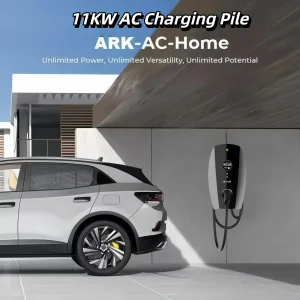
For global importers, distributors, and certified electricians, installing a home EV charger is not merely about mounting a device on a wall. It represents the integration of high-power industrial-grade electronics into the residential ecosystem.
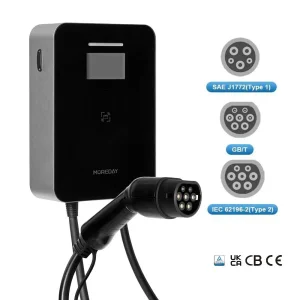
CE-certified systems incorporate built-in protection against overcurrent, residual DC leakage (Type B RCD equivalents), and short circuits, ensuring home electrical safety.
Real-time power monitoring prevents main fuses from tripping. Our systems automatically throttle charging speeds when household demand peaks.
Certified with IP54 and IP55 enclosures, guaranteeing reliable long-term operations against rain, dust, and freezing temperatures.
As standard-setting manufacturers, Hangzhou Volt Charger ensures that residential chargers meet all legal requirements under the European Economic Area (EEA) and global markets. The technical specifications below outline the options available for distributors and fleet managers.
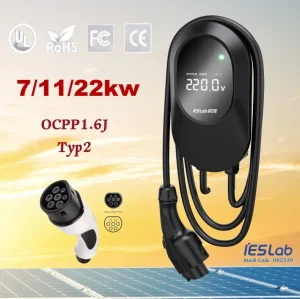
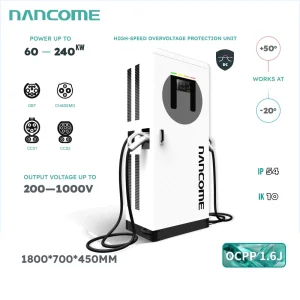
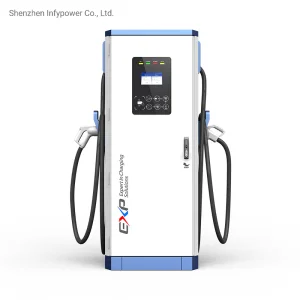
| Feature Spec | 7kW AC Wallbox (Single Phase) | 22kW AC Wallbox (Three Phase) | 30kW DC Destination Charger |
|---|---|---|---|
| Nominal Input Voltage | 230V AC ± 15% (50/60Hz) | 400V AC ± 15% (50/60Hz) | 400V AC 3-Phase (50/60Hz) |
| Maximum Output Current | 32A Max | 32A Max per Phase | Up to 100A DC Output |
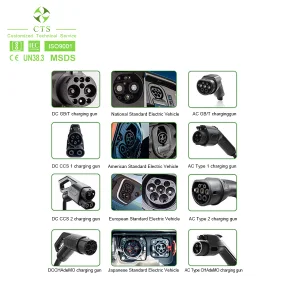
| Standards Compliance | IEC 61851-1, CE LVD, CE EMC | IEC 61851-1, CE LVD, CE EMC | CE approved, CCS2, GBT |
| Protection Ratings | IP54 / Type A + DC 6mA Leakage Protection | IP55 / Built-in RCD protection | IP54 / Over-under voltage protection |
| Communication Protocols | OCPP 1.6J, optional 2.0.1, WiFi/RFID | OCPP 2.0.1, WiFi, 4G, Bluetooth | OCPP 1.6J, CCS Combo-2 interface |
Installing an EV charging station in private homes or residential parking blocks demands deep alignment with local power grid operators. The regulatory environments of major global regions dictate different hardware integrations:
Compliance with the CE Mark (EN 61851 series) is non-negotiable. Additionally, in the UK, installations must comply with the Smart Charge Points Regulations and incorporate PEN fault protection without relying on earth rods.
Adapting products for North America requires Level 2 compatibility with SAE J1772 connectors and UL approvals. Export strategies must include flexible multi-standard configurations.
For logistics, school buses, and commercial buildings, charging schedules must be dynamically synchronized with energy management systems to minimize peak-demand grid penalties.
The home charging landscape is shifting towards a unified smart energy hub. Hangzhou Volt Charger's developmental roadmap outlines four major areas of progress:
Future iterations of home chargers will not only draw energy from the grid but will also feedback power during peak times. This turns the EV into a mobile home energy storage battery system, increasing energy resilience.
Combining household solar panel generation with active EV battery charging. Smart control units detect solar surplus and redirect excess green energy directly to the EV, bypassing grid conversion losses.
Next-generation software protocols will handle encrypted communications and advanced tariff management natively, allowing residential complexes to bill and share charging modules safely.
Detailed answers for engineers, site developers, and electrical contractors planning home EV charging deployments.
 Volt Charger