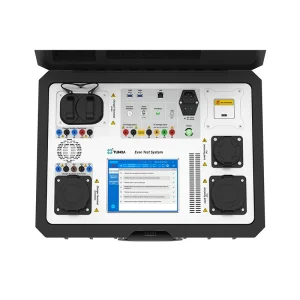
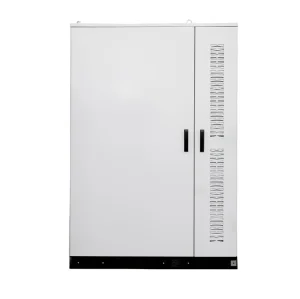
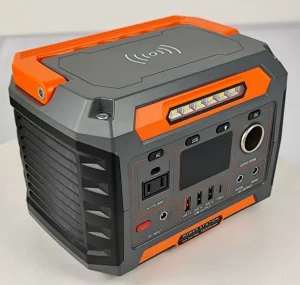
Explore our premium product portfolio engineered to enable seamless vehicle transitions, high-speed DC power delivery, and smart-grid interactive fleet operations.
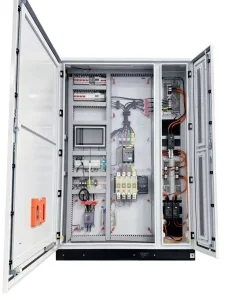
An in-depth analysis of regulatory mandates, grid modernization requirements, and operational strategies governing fleet transition pathways.
The global energy landscape is undergoing a systemic restructuring. At the epicenter of this transition is the commercial and industrial transport sector, which contributes a significant share of greenhouse gas emissions worldwide. Governments, regulatory agencies, and multinational corporations are driving clean mobility strategies that go beyond simple passenger cars. Deep industrial fleet electrification is now the standard for forward-thinking logistics operations, municipal transit systems, port utilities, and last-mile delivery infrastructures.
Transitioning from internal combustion engine (ICE) fleets to electric vehicles (EVs) involves complex challenges. Fleet operators face intricate grid connection limits, peak-demand utility tariff structures, and localized building regulations. It requires moving from a pure "vehicle procurement" approach to a structured "integrated infrastructure development" strategy.
As a premier OEM/ODM manufacturer and exporter of smart charging systems, Hangzhou Volt Charger Co., Ltd. specializes in bridging the gap between heavy-duty automotive engineering and smart grid integration. We develop power delivery architectures that optimize total cost of ownership (TCO) while ensuring maximum operational uptime.

The operational profiles of commercial truck depots and distribution hubs differ significantly from public passenger vehicle networks. Fleet duty cycles are tightly managed to maximize productivity, which requires predictable, high-speed charging. In North America and Europe, initiatives such as the US National Electric Vehicle Infrastructure (NEVI) formula program and the EU's Alternative Fuels Infrastructure Regulation (AFIR) dictate minimum charging capacities and distance intervals along transport corridors.
To comply with these evolving standards, fleet depots must transition from low-power AC overnight units to high-power DC systems ranging from 120kW to 360kW, and eventually to Megawatt Charging Systems (MCS). In emerging markets across Latin America and the Asia-Pacific region, industrial two-wheeler and light commercial vehicle (LCV) electrification is growing rapidly. This shift demands modular, highly adaptive hardware architectures that can support various domestic and international connector profiles (CCS1, CCS2, CHAdeMO, and GB/T) without requiring completely new capital investments.
CAGR Global Fleet Electrification Growth
Plug & Charge Interoperability
Advanced Management Integration
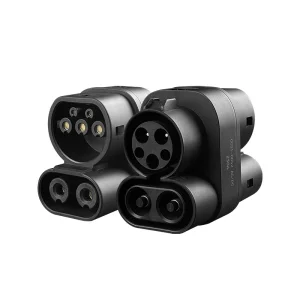
DC Split-Charging Module Options
How Hangzhou Volt Charger designs, builds, and deploys rugged charging architectures tailored for harsh industrial environments.
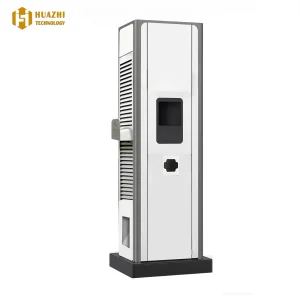
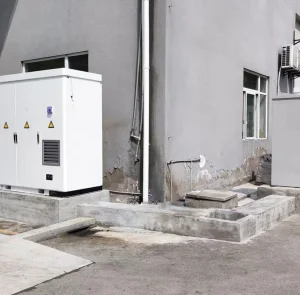
High-capacity commercial charging can strain existing local distribution transformers. By integrating local distributed energy storage cabinets and smart dynamic load balancing, our systems dynamically adjust charging rates in real-time. This helps operators avoid utility peak-demand charges and bypass expensive, time-consuming grid substation upgrades.
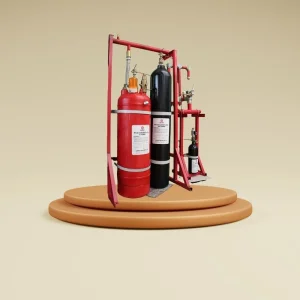
Continuous heavy-duty energy transfer generates significant heat, which can stress battery cells and charger electronics. Our infrastructure solutions feature pipe network perfluorohexanone fire protection systems. This liquid agent provides fast, clean, and reliable fire suppression inside high-power charging cabinets and telecom energy storage enclosures.
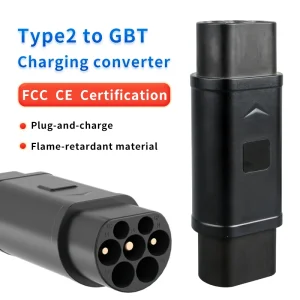
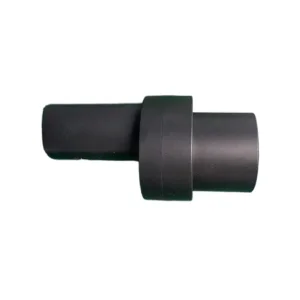
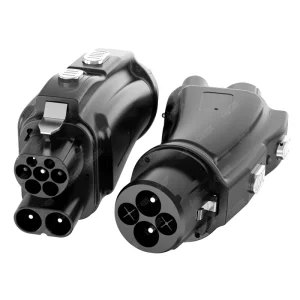
We supply a comprehensive suite of high-power industrial conversion adapters, including CCS2 to CHAdeMO and CCS1 to CCS2 adapters. These components allow multinational logistics operators to maintain consistent vehicle deployment and charging routines across North American, European, and Asian transport networks.
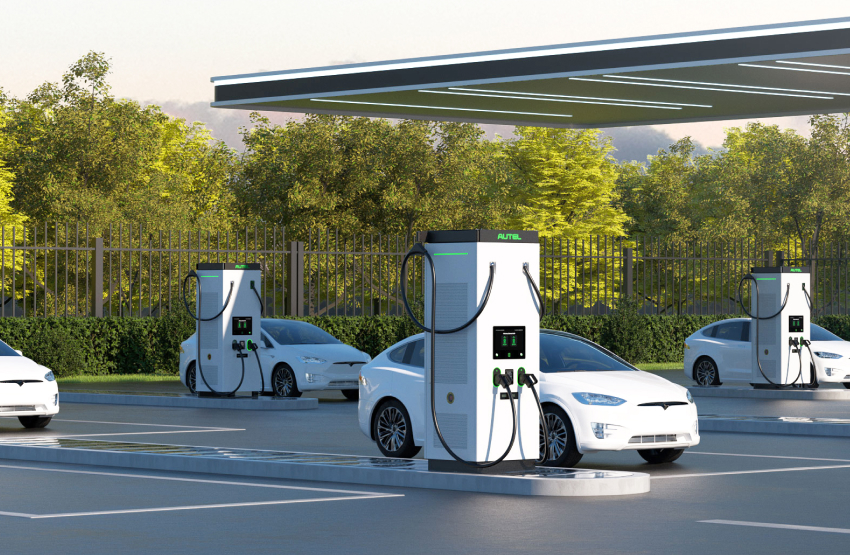
Every commercial depot has unique structural and operational requirements. Hangzhou Volt Charger's factory provides deep OEM/ODM customization services. We tailor charging enclosures, modify sheet metal configurations for challenging weather conditions, and program customized software endpoints using the latest OCPP 2.0.1 and ISO 15118 protocols.
Our engineering services range from initial fleet duty-cycle simulation to custom power electronics design and compliance testing. As an established global exporter, we ensure all custom products meet regional certification requirements, including CE, UL, TUV, and GB/T standards. Our hardware is built to withstand extreme temperatures, dust, and coastal humidity, ensuring reliable, long-term operation.
Detailed engineering guidelines for applying electric vehicle charging infrastructure to various industrial use cases.
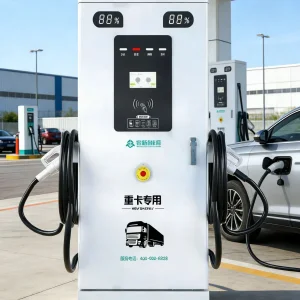
These operations feature high vehicle density and brief, scheduled dwell times. High-power, dual-port DC dispensers (120kW–240kW) with dynamic power allocation are ideal. They charge vehicles rapidly during loading cycles, and our smart grid software schedules charging to prevent overload during facility peak demand periods.
Transit operations require high consistency and strict route schedules. Because municipal buses have large battery capacities, they need dependable depot charging. Our liquid-cooled charging stations, paired with distributed energy storage cabinets and automated OCPP system checks, ensure buses are charged and ready for service every morning.
These sites present extreme dust, heavy vibration, and minimal grid access. For these challenging environments, we provide reinforced sheet metal cabinets, active dust filtration, and localized microgrids. These microgrid systems combine telecom battery enclosures and solar arrays to supply clean, off-grid power directly to remote worksites.
A comparison of technical specifications and integration pathways for modern industrial fleets.
Note: Realizing the future roadmap depends on local utility grid support, EV battery limits, and regional homologation protocols.
Expert insights on the engineering, regulatory, and commercial aspects of transition infrastructure.
OCPP 2.0.1 improves message security, device diagnostic logs, and smart charging configurations compared to legacy OCPP 1.6J systems. It supports complex transactions and allows chargers to communicate with smart grids. This is vital for managing energy pricing and handling large-scale commercial vehicle charging demands.
Perfluorohexanone (FK-5-1-12) is a clean fire suppression agent. It cools electrical systems quickly and leaves no residue, protecting delicate circuits. If a thermal anomaly occurs inside a cabinet, the pressurized system releases the agent automatically, extinguishing fire hazards without damaging surrounding equipment.
Yes. High-capacity DC fast chargers can exceed local grid limits, which often requires expensive substation upgrades. Installing a distributed energy storage cabinet (BESS) allows operators to store energy during off-peak times and discharge it during high-load charging windows. This avoids peak demand fees and minimizes the need for costly utility grid work.
Fleets with a mix of European, Chinese, and North American vehicles often need reliable adapters to keep operations running smoothly. Using high-power adapters like CCS1 to CCS2 and CCS2 to CHAdeMO lets fleets charge various vehicle models at the same DC stations without purchasing separate, dedicated chargers.
Our production facilities follow strict ISO 9001 and ISO 14001 guidelines. All products undergo rigorous safety and thermal testing, structural evaluation, and electrical validation. We also certify our components to UL, CE, TUV, and GB/T standards to ensure compliance with global safety regulations.
Complete your fleet ecosystem with heavy-duty testing equipment, conversion adapters, and utility-scale energy storage enclosures.
 Volt Charger