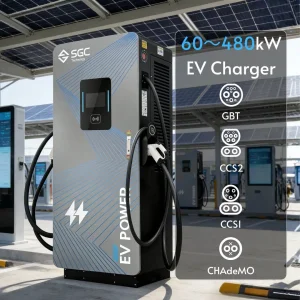
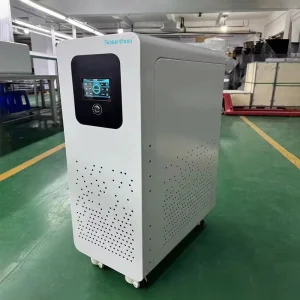
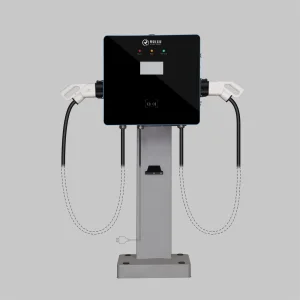
Select high-performance charging systems engineered for scalability, grid stability, and maximum uptime.
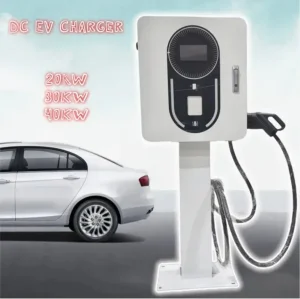
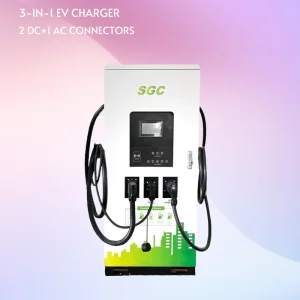

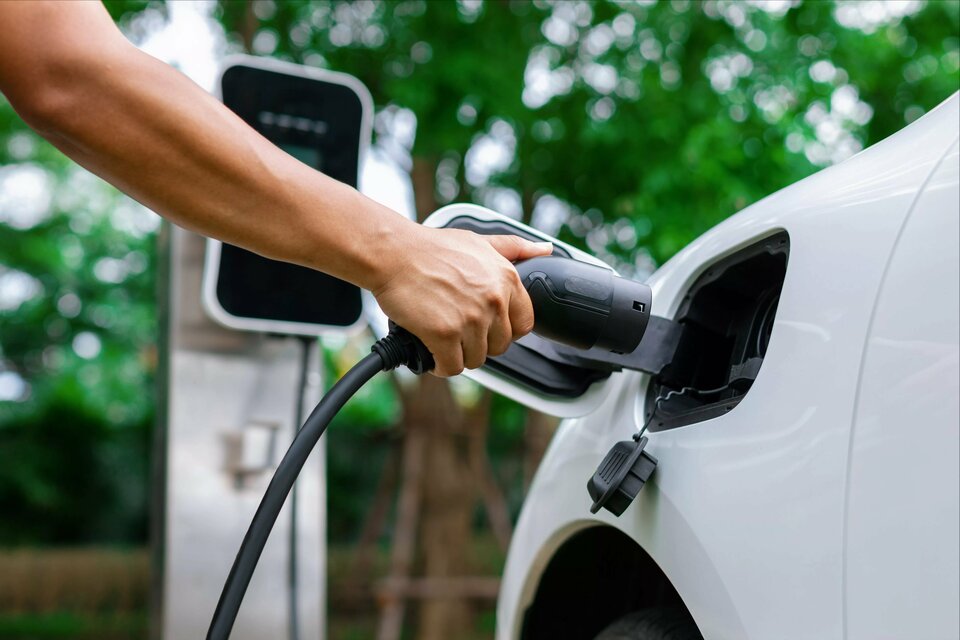
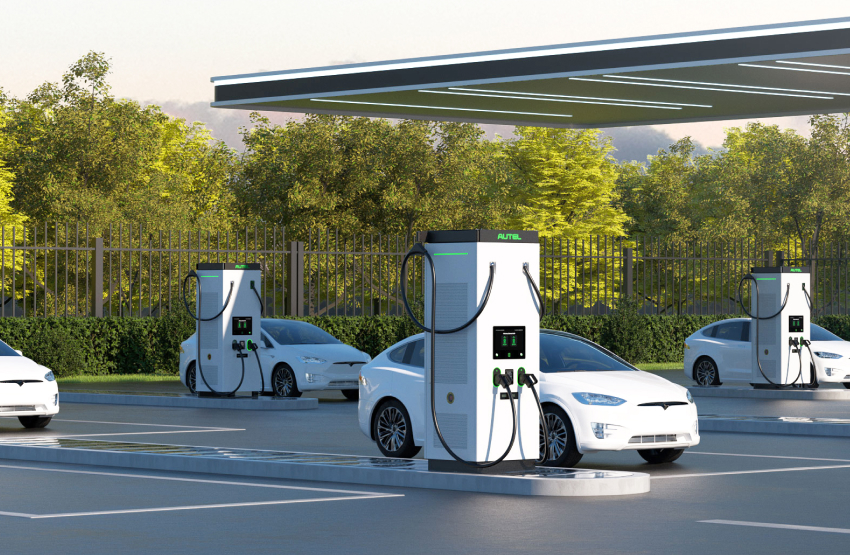
The global commercial transportation landscape is undergoing an unprecedented shift toward electrification. Corporate logistics networks, municipal transit authorities, and global supply chain operations are replacing internal combustion engines with electric commercial vehicles. However, charging a commercial fleet at scale introduces complex operational challenges that far exceed the requirements of standard passenger EV infrastructure.
Fleet Charging Optimization refers to the intelligent synchronization of charging hardware, grid capacity, vehicle usage schedules, and dynamic utility tariffs. Without proactive energy optimization, fleet operators face significant operational bottlenecks, including grid overload penalties, extended vehicle downtime, and accelerated battery degradation.
As an industry pioneer, Hangzhou Volt Charger Co., Ltd. stands at the forefront of this market, delivering advanced charging hardware and smart energy software architectures designed to mitigate grid stress and lower the total cost of ownership (TCO) for modern fleet operators.
The transition to electric fleets is driven by strict regulatory mandates and clear economic benefits. The European Union’s Fit for 55 package and the United States’ Inflation Reduction Act (IRA) have established aggressive emission targets, forcing major logistics providers to accelerate their fleet electrification timelines.
Several key trends are defining the future of fleet charging:
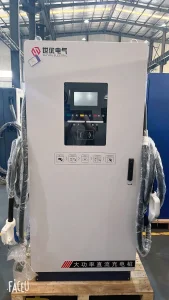
Hangzhou Volt Charger Co., Ltd. automated manufacturing line producing high-power DC fast charging systems.
Industrial buyers, supply chain executives, and fleet operations directors evaluate potential suppliers using strict metrics. Selecting the right hardware manufacturer requires careful consideration of the following parameters:
Hardware must support regional charging standards (CCS1, CCS2, NACS, GB/T) and maintain open communication standards via OCPP 1.6J or OCPP 2.0.1 to enable cross-platform energy management.
Smart load balancing prevents local grid overload. By dynamically scaling output across multiple charging ports, facilities can operate efficiently within their existing utility capacity.
Reliable operations require advanced self-diagnostic features, modular hot-swappable power components, and remote over-the-air (OTA) software updates to minimize manual maintenance overhead.
As the world’s leading hub for battery and EV component manufacturing, China has established highly efficient industrial ecosystems. "Factory 4.0" practices leverage automation, end-to-end trace systems, and deep vertical supply chain integration to maintain superior quality and cost control.
For global buyers, sourcing from advanced manufacturers like Hangzhou Volt Charger Co., Ltd. offers several key advantages:
Hangzhou Volt Charger quality control experts performing rigorous diagnostic tests on DC fast charging modules.
Urban logistics centers operate on tight schedules, with delivery vans returning to the depot in concentrated evening waves. Implementing smart power distribution systems ensures these vehicles are fully charged and ready for service by early morning without exceeding the site's maximum utility load.
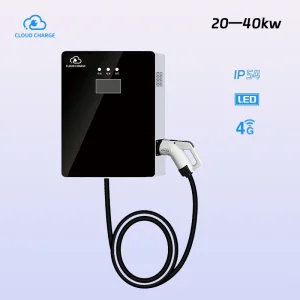
Heavy-duty transport and mining sites require continuous, high-power energy delivery. Deploying multi-standard, high-capacity DC fast chargers ensures heavy machinery and transport trucks can recharge quickly, minimizing idle time and maintaining high operational productivity.
Workplace charging setups must support various user groups, including fleet vehicles, employees, and visitors. Utilizing networked, easy-to-install charging stations coupled with robust user access controls allows building operators to manage usage fees, optimize power consumption, and track energy metrics effectively.
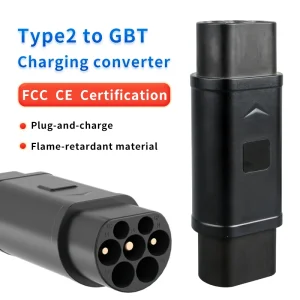
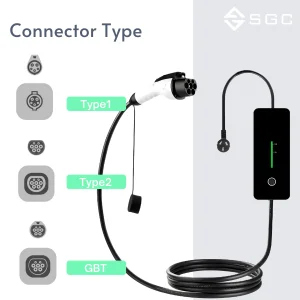
Enhance operational flexibility with robust adapters, portable charging units, and testing equipment.

 Volt Charger