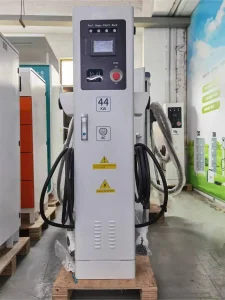
As the global energy transition accelerates, the intersection of transportation electrification and electrical grid management has become the primary frontier for technological innovation. Hangzhou Volt Charger Co., Ltd. is a leading innovator in the electric vehicle (EV) charging industry, specializing in Portable & DC EV Chargers, EV Charging Adapters, and Smart Energy Solutions. Established in Hangzhou, China, the company has rapidly gained a global reputation for delivering high-quality, reliable, and technologically advanced charging products that meet the evolving demands of EV owners, charge point operators (CPOs), utility providers, and businesses worldwide.
With a steadfast commitment to sustainability and innovation, Hangzhou Volt Charger integrates cutting-edge energy management systems (EMS) into its product portfolio, offering fast, efficient, and safe charging solutions suitable for home, workplace, and public applications. Our products are engineered not merely to deliver current but to act as intelligent grid nodes. While our portable chargers provide convenience and high-speed energy access for EV users on the go, our industrial-grade DC fast chargers ensure rapid energy replenishment for commercial fleets and public charging hubs.
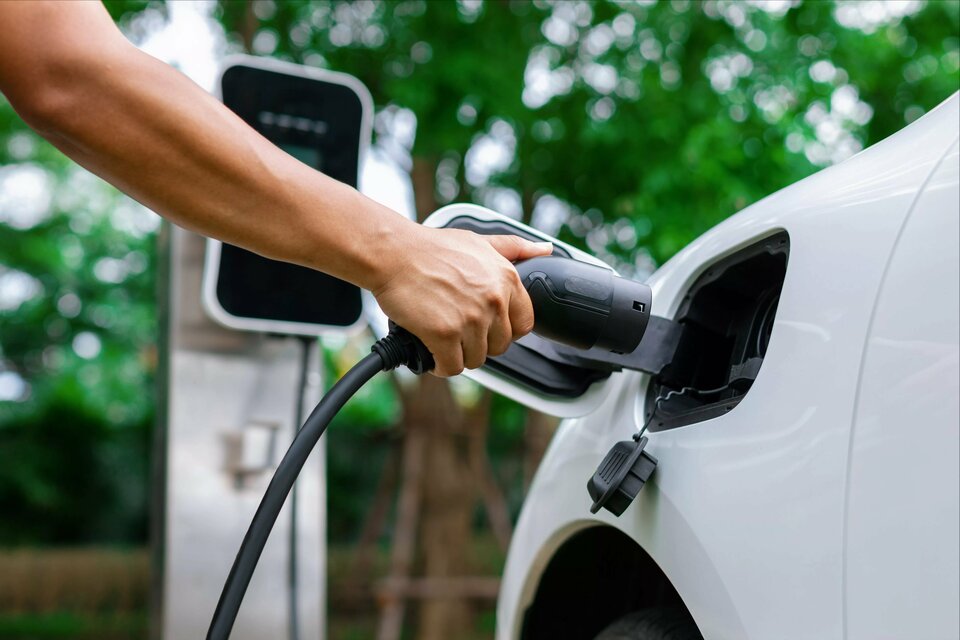
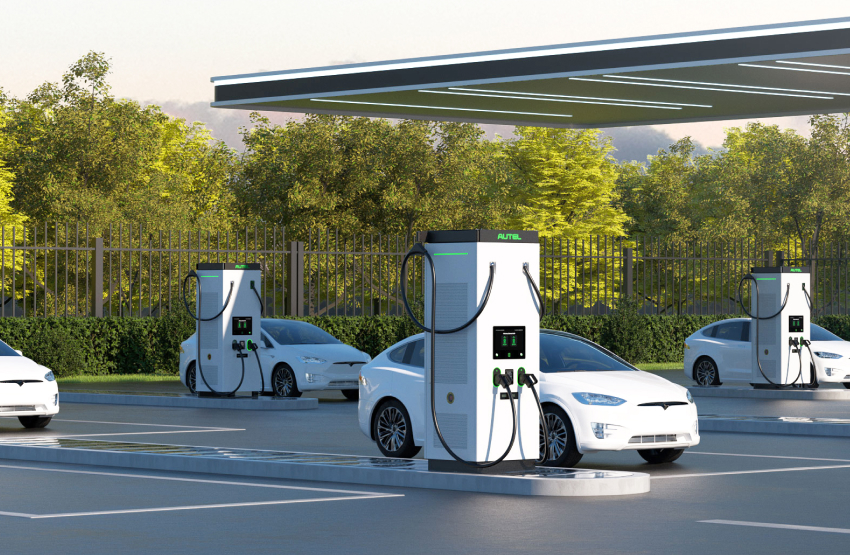
The company also develops intelligent charging adapters and energy management systems, enabling seamless cross-protocol connectivity, real-time telemetry monitoring, and optimized power distribution. By combining robust power hardware with intelligent cloud-edge software, Hangzhou Volt Charger empowers global clients to reduce peak-demand energy costs, enhance site charging efficiency, and future-proof their EV infrastructure.
Serving international markets with an unyielding emphasis on quality control, structural safety, and customer satisfaction, Hangzhou Volt Charger Co., Ltd. is dedicated to accelerating the global adoption of electric mobility. Our holistic solutions support a greener, smarter, and more sustainable transportation ecosystem that addresses the operational requirements of both today and tomorrow.
The exponential growth of electric vehicles is placing unprecedented stress on local distribution grids worldwide. High-power DC fast chargers and simultaneous Level 2 AC fleet charging can easily lead to localized voltage drops, transformer overloading, and steep demand charges. In the modern electrification landscape, simple "plug-and-charge" hardware is no longer sufficient. Charging stations must be integrated with intelligent energy management layers that can dynamically modulate output, optimize grid connection capacity, and interface seamlessly with local energy storage systems.
In China, which leads the world in EV deployment and public infrastructure, developers have pioneered the integration of PV-ESS-EVSE (Photovoltaic, Energy Storage Systems, and Electric Vehicle Supply Equipment) networks. This triple-integration methodology, known widely as "Solar-Storage-Charging", represents the ultimate paradigm shift in energy management. By harvesting solar energy, storing it in localized lithium-iron-phosphate (LFP) battery banks, and distributing it dynamically based on real-time vehicle load profiles, charging stations can operate independently of grid capacity upgrades. This approach reduces overall grid stress, lowers operational expenditures (OpEx), and guarantees that the electricity driving EVs is genuinely green.
Commercial and Industrial (C&I) installations face distinct challenges depending on geographic constraints, utility structures, and localized grid rules. A comparison of how these regions handle charging infrastructure reveals why adaptive energy management systems are critical:
| Region | Primary Grid Constraint | Regulatory / Tariff Dynamics | Optimal EMS Technology Solution |
|---|---|---|---|
| North America | High commercial demand charges; rural grid dispersion. | Complex utility structures; tax rebates for local storage. | High-power DC charging integrated with peak-shaving ESS cabinets. |
| Europe | Low-voltage residential grid capacity; strict phase balance codes. | OCPP 1.6J / 2.0.1 requirements; mandatory dynamic phase balancing. | Dynamic Load Balancing (DLB) wallboxes; Type 2 AC infrastructure. |
| Asia-Pacific | High urban population density; limited substation space. | Time-of-Use (ToU) tariffs; aggressive zero-emission mandates. | PV-Storage-Charging stations; bidirectional V2G and V2L networks. |
For C&I fleet operations, managing energy costs requires a balance of predictive logistics and real-time power shaping. If a fleet of delivery vehicles plugs in simultaneously at 6:00 PM, the resultant load spike can trigger exorbitant demand charges. Hangzhou Volt Charger's intelligent solutions enable automated load-shedding and staggered scheduling, ensuring that the aggregate site load remains below the utility's high-tariff threshold while guaranteeing all vehicles are charged by the start of the next shift.
Hangzhou Volt Charger Co., Ltd. continuously refines its technical portfolio to align hardware and software capabilities. Our technology framework is structured around three core pillars: dynamic distribution, bidirectional conversion, and software-defined battery protection.
Our proprietary DLB algorithms continuously monitor total facility electrical consumption. By dynamically adjusting the PWM duty cycle of charging units in response to building loads, we prevent system overloads without requiring expensive main breaker upgrades.
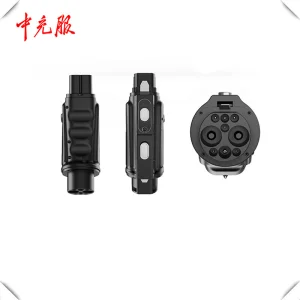
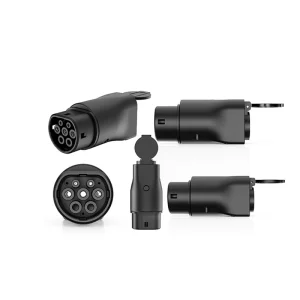
Utilizing robust components like the Zhongchongfu Type 2 to V2L Discharger, vehicles can be used as mobile power banks. This system enables users to discharge stored EV battery energy back to grid systems, power tools, or emergency appliances during blackouts.
All smart charging products support the open standard OCPP protocol stack. This ensures seamless connection to any third-party billing, fleet tracking, or grid operator utility software, facilitating remote smart charging profiles and OTA updates.
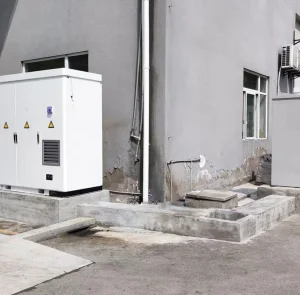
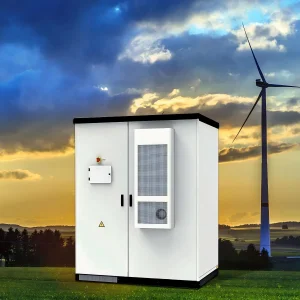
Our R&D focus is directed toward full-scale integration with local microgrids. In this context, outdoor telecom cabinets and residential power walls operate as decentralized nodes. Over the next three years, Hangzhou Volt Charger is building out AI-driven predictive dispatching software. This software analyzes regional weather forecasts, historical solar generation profiles, and vehicle dispatching cycles to pre-program ESS charging and discharging behaviors. This ensures maximum efficiency and minimal grid interaction during peak utility pricing periods.
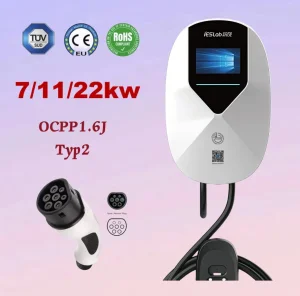
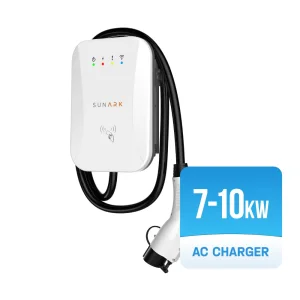
In commercial office parks and retail centers, vehicle dwell times are typically long (3 to 8 hours), but the volume of simultaneously parked vehicles is high. Implementing static charging infrastructure here can trigger severe demand spikes. Utilizing our dynamic load-balancing systems, facility managers can install multiple 7kW to 22kw AC wallboxes without upgrading their main building supply. The system distributes power dynamically: as some vehicles reach a full state of charge (SoC), their allocation is seamlessly shifted to newly arrived vehicles, maximizing throughput and utility value.
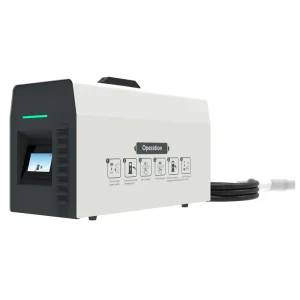
Logistics centers operating urban delivery vans require fast, reliable turnaround schedules. For these settings, our floor-mounted, dual-gun AC chargers and high-power mobile DC systems provide high reliability. If a van requires rapid, unplanned dispatching, operators can deploy our Mobile Lithium Battery charging systems (40kW to 120kW variants), avoiding structural bottleneck issues. Integration with localized energy storage systems ensures that fast chargers pull from stored LFP batteries rather than directly drawing from the local grid during high-demand daytime windows.
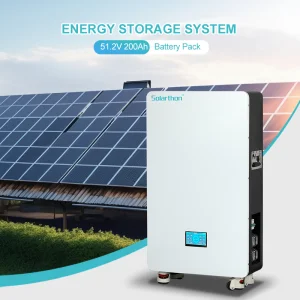
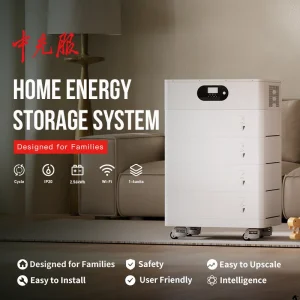
For home use, the combination of our Advanced 51.2V Solar Energy Storage System and the smart Level 2 AC charger creates a self-sustaining ecosystem. Excess solar energy harvested during daytime hours is stored directly in the residential power wall. When the EV is connected in the evening, the system routes stored power to the vehicle, minimizing dependence on grid energy. This integration reduces home utility bills and provides backup power for critical residential circuits in the event of an outage.
Deploying electrical infrastructure globally requires strict adherence to safety, electromagnetic compatibility, and grid connection rules. Hangzhou Volt Charger's product catalog is designed, manufactured, and tested to meet international standards. From insulation design to physical ingress protection, our products comply with leading global regulatory frameworks:
CE Certification: Essential for European markets, certifying that all AC wallboxes, portable chargers, and telecom battery cabinets conform to European safety, health, and environmental protection standards.
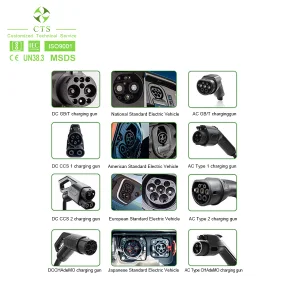
NACS, Type 1, and Type 2 Compliance: Our product line includes NACS-compatible designs for Tesla models in North America, SAE J1772 (Type 1) for American markets, and IEC 62196 (Type 2) for European and international fleets.
IP55/IP65 Weatherproof Ratings: Ensuring that our outdoor battery storage units and public floor-mounted chargers remain safe and operational under challenging environments, including rain, snow, dust, and high humidity.
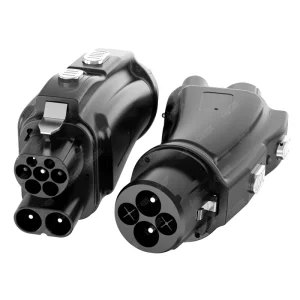
High-Efficiency Power Conversion Adapters: Moving between standards presents engineering challenges. Adapters like the Olink CCS2 to CHAdeMO or the Zhongchongfu CCS2 to GBT are built with robust electrical insulation, high-purity copper contact pins, and integrated temperature sensors. These safety measures prevent thermal runaway during continuous 200A fast-charging cycles.
BMS and Grid Codes: Built-in Battery Management Systems feature up to 15 different safety protections. These include overcurrent, overvoltage, short-circuit, and leakage current detection, ensuring reliable performance over thousands of operational cycles.
 Volt Charger