CE Certified Charging Infrastructure Development Manufacturer & Suppliers

Empowering global EV networks with enterprise-grade, certified smart AC & DC charging systems designed for rapid deployment, efficiency, and future-proof operations.

Featured Infrastructure Technologies - Group I

Explore our highly integrated charging solutions designed for heavy-duty commercial deployment, roadside assistance, public destinations, and precision testing protocols.
Road Rescue EV Charger PRO
Road Rescue EV Charger PRO: 40kw-120kw Output Mobile Lithium Battery System (24/7 Reliability)
View Details
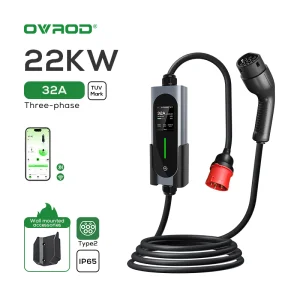
Ovrod AC Home Charger
Ovrod AC Home Electric Car Charging Station Type2 Wall Plug Fast Level 2 22kw 32 AMP Portable EV Charger
View Details
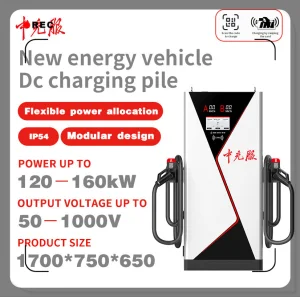
Boltcharge DC Level 3 EV Charger
Boltcharge DC Level 3 EV Charger Rapid Energy Flow for Evs with Tough Build and Intuitive Interface for Fleet Operations with CE
View Details
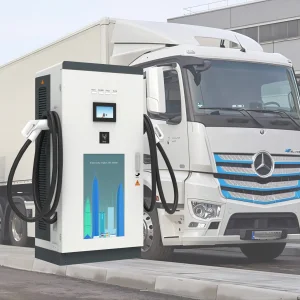
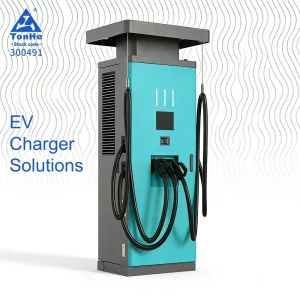
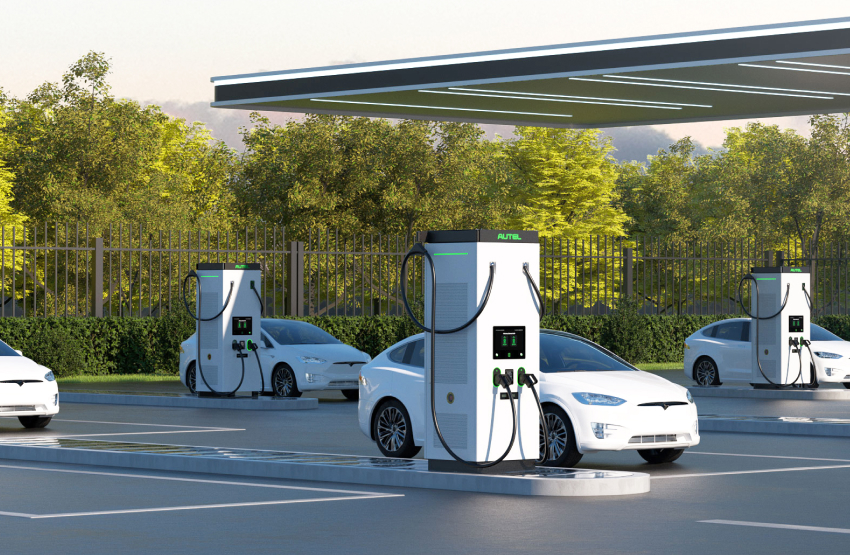
Public EV Charging Infrastructure
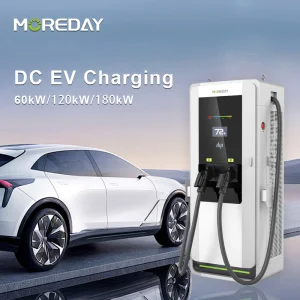
CCS1 CCS2 EV Charging Infrastructure Public Electric Vehicle Chargers Car Charging Station DC Fast Charging Station OCPP Support APP Manage
View Details
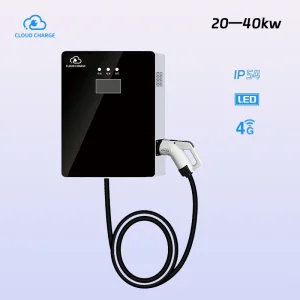
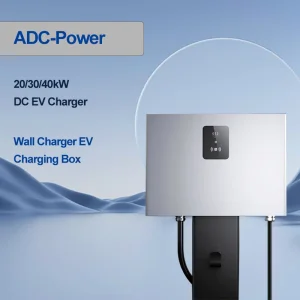
Cloudcharge Professional DC EV Charger
Cloudcharge Professional Easy Installation Zero-Emission Workplace 20 30 40kw DC EV Electric Vehicle Car Charger Charge Charging Station
View Details
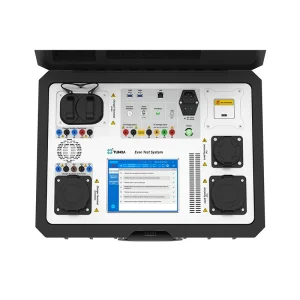
TK4830 Charger Testing Device
TK4830 Portable EV Charger Testing Device for AC and DC Stations
View Details
7kw Level 2 NACS Plug
7kw Level2 EV Charger Portable Electric Car Charger NACS Plug for Tesla
View Details
ADC Power CCS Wallbox
ADC Power 20/22/25/30/40/50 Kw CCS 1 Level3 Single Gun Wallbox Evs Charger
View Details

Who We Are: Hangzhou Volt Charger Co., Ltd.

Hangzhou Volt Charger Co., Ltd. is a leading innovator in the electric vehicle (EV) charging industry, specializing in Portable & DC EV Chargers, EV Charging Adapters, and Smart Energy Solutions. Established in Hangzhou, China, the company has rapidly gained a reputation for delivering high-quality, reliable, and technologically advanced charging products that meet the evolving demands of EV owners and businesses worldwide.

Our operational framework centers on sustainable innovation, blending robust physical structures with digital system control to deliver streamlined energy transfer. By designing and building systems that meet rigorous global standards, we provide enterprise partners with the essential infrastructure to expand their zero-emission footprint securely and profitably.
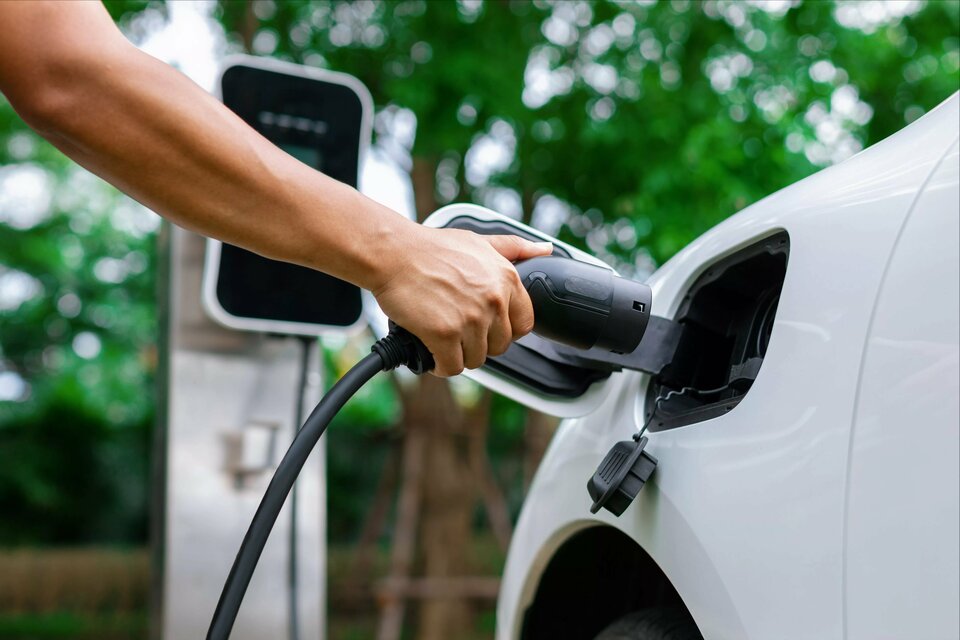
Hangzhou Volt Charger Manufacturing Facility

Global Trends in Charging Infrastructure Development

As the automotive sector transitions rapidly toward complete electrification, the requirements for public, workplace, and fleet charging infrastructure are shifting dynamically. We analyze the leading industry developments shaping procurement strategies.

Megawatt & High-Power Charging

Commercial vehicle logistics fleets demand dynamic, high-power DC pathways (from 120kW up to multi-megawatt systems) to support short turnaround windows. Ensuring minimal grid thermal load during these bursts is paramount.

Grid-Edge Intelligence & V2G

Integrating Vehicle-to-Grid (V2G) standardizations like ISO 15118 allows chargers to communicate bi-directionally, turning massive fleets into decentralized grid-stabilization batteries during peak grid loads.

Compliance & Interoperability

Global multi-standard systems require strict adherence to international safety protocols, including CE directives (LVD/EMC), FCC standards, and localized grid-interconnection rules to ensure zero downtime.
99.8%
Equipment Uptime Rate
50+
Countries Exported To
CE / RED
Certified Compliance
OCPP 2.0.1
Advanced Protocol Integration
Advanced EV Charging Hardware Deployment

Holistic Solutions for Diverse Charging Verticals

With a commitment to sustainability and innovation, Hangzhou Volt Charger integrates cutting-edge technology into its product portfolio, offering fast, efficient, and safe charging solutions suitable for home, workplace, and public applications. Its portable chargers provide convenience for EV users on the go, while its DC fast chargers ensure rapid energy replenishment for commercial fleets and public charging stations.

Our dynamic software solutions interface directly with international charge point management systems (CPMS). Utilizing OCPP 1.6J and OCPP 2.0.1, operators gain granular view-port insights into user activity, peak consumption limits, dynamic load balancing profiles, and real-time fault reporting. This maximizes efficiency while safeguarding local distribution transformers from overcurrent situations.

B2B Procurement Realities: Addressing the Global Energy Infrastructure Gap

Procurement managers, fleet operators, and municipality developers face critical decisions when investing in electric vehicle supply equipment (EVSE). Our hardware engineering focuses on solving these key structural operational parameters:

1. Operational Security & Dynamic Thermal Dissipation

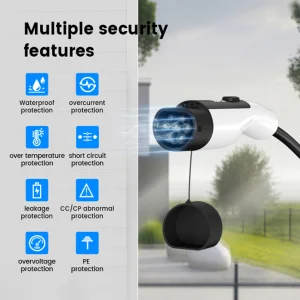
Thermal management dictates the lifespan and charging continuity of DC hardware. Utilizing highly structured forced-air cooling ducts and advanced Silicon Carbide (SiC) modules, our systems maintain structural efficiency even under heavy loading profiles in ambient temperatures up to 50°C.

2. Flexible Interoperability and Universal Connector Options

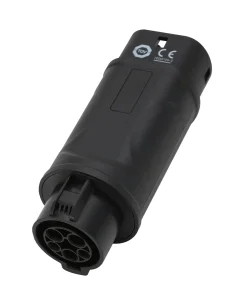
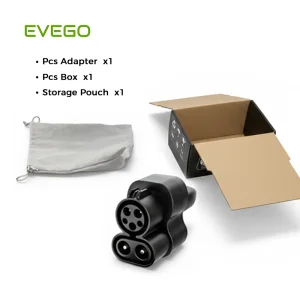
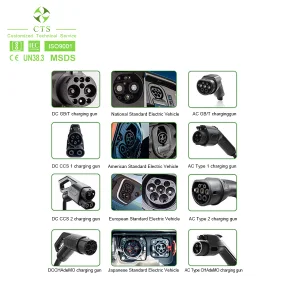
Our solutions incorporate comprehensive hardware converter sets (e.g., CCS1 to Tesla, NACS, and GBT formats) and multi-socket setups to enable mixed-fleet operations. This eliminates protocol mismatches and optimizes capital expenditure metrics across commercial fleets.

3. Real-time Monitoring and Software-defined Grid Balancing

The integration of intelligent charging adapters and energy management systems enables seamless connectivity, real-time monitoring, and optimized power usage. By combining robust hardware with smart software, Hangzhou Volt Charger empowers clients to reduce energy costs, enhance charging efficiency, and future-proof their EV infrastructure.

Technological Roadmap & Future Directions (2025–2030)

As the charging landscape transitions towards solid-state battery topologies and 800V charging protocols, our research division targets three main areas of technological development:

A. Gallium Nitride (GaN) and Silicon Carbide (SiC) Power Switches

By using GaN and SiC modules in our AC/DC stages, we aim to reduce operational footprints by up to 35% while increasing switching efficiency to 98.2%. This translates to reduced heat output and lower cooling requirements for public charging stations.

B. Inductive Wireless Power Transfer

For residential and autonomous fleet fleets, we are scaling resonance-inductive wireless chargers. These eliminate physical connections, mitigating mechanical wear and tear, and enhancing outdoor operational cycles during harsh winter conditions.

C. Vehicle-to-Home (V2H) and Energy Storage Integration (ESS)

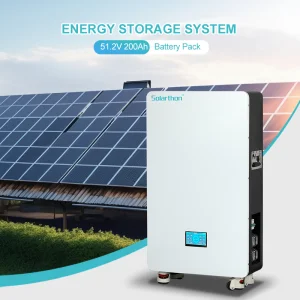
Leveraging 51.2V LFP residential batteries alongside bidirectional chargers allows homes to operate as self-contained microgrids. This system stores solar energy during off-peak periods and powers domestic loads during high-tariff cycles.

Technical Q&A: EV Charging Infrastructure & Compliance

Essential questions and expert answers regarding certifications, procurement, and technical installation requirements.

Why is CE Certification a non-negotiable metric for European EVSE deployment?
CE certification indicates that EV charging equipment complies with the European Union's strict health, safety, and environmental protection standards. It ensures conformity with the Low Voltage Directive (LVD 2014/35/EU), Electromagnetic Compatibility (EMC 2014/30/EU), and the Radio Equipment Directive (RED 2014/53/EU). Without proper CE marking, operators face significant legal risks and potential insurance invalidation.
How does Dynamic Load Balancing (DLB) protect commercial grid connections?
DLB algorithms continuously monitor the real-time electrical demand of a building or depot. When total building load spikes, the charging power delivered to connected EVs is scaled back dynamically. As other loads drop, the charging capacity increases. This ensures EVs charge as quickly as possible without exceeding the grid connection limit or causing blackouts.
What are the primary operational differences between OCPP 1.6J and OCPP 2.0.1?
OCPP 2.0.1 offers significant security improvements, including support for certificate-based authorization, security logging, and secure firmware updates. It also introduces enhanced device management capability (for diagnostics and configuration), and natively supports ISO 15118 features, including "Plug and Charge" capability and complex smart charging profiles.
What is the advantage of choosing a mobile battery-backed system (like Road Rescue)?
A battery-buffered charging vehicle delivers high-power DC charging (40kW-120kW) without requiring a high-power grid connection at the point of charge. These systems are ideal for roadside assistance, temporary events, or construction sites where the existing grid infrastructure is limited or unavailable.
How does a 3-Phase 22kW AC charger compare to typical 7.4kW single-phase units?
A 22kW AC charger uses three phases of alternating current at 32 Amps, delivering charge three times faster than a single-phase 7.4kW charger (which is limited to 32 Amps on one phase). To utilize the full 22kW speed, the electric vehicle must be equipped with an onboard charger capable of accepting 3-phase 22kW AC input.
Featured Infrastructure Technologies - Group II

Examine our advanced adapters, inductive wireless systems, residential energy storage components, and high-performance fleet connectors.
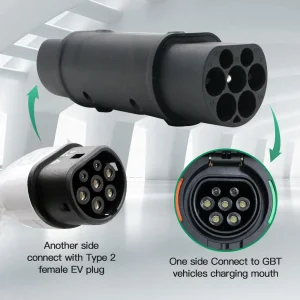

Type 2 to GB/T Adapter
Type 2 to GB/T 32A 22kw 3phase Gbt EV Car Adapter Type2 IEC 62196 Evse Charging Station Adaptor
View Details
Wireless E-Bike Charger
China Manufacturer Wireless EV Charger for Electric Motorcycle and E-Bike 2-Wheeler Inductive Charging System
View Details
Tonhe Electric Wireless Charger
Tonhe Electric Wireless DC AC Vehicle Car EV Charger Charging Stations
View Details
Residential Solar Battery
Advanced 51.2V Solar Energy Storage System for Residential Use
View Details
EV Charging Adapter with Screen
High-Performance EV Charging Adapter with 3.5 Inch Screen
View Details
Portable DC EV Chargers
EV CCS2 DC Chargers Portable EV Charger Level 3 30kw 50kw 60kw 160kw DC Fast Charging Stations for Road Side Electric Vehicles
View Details
Portable Recharge Device
Can Our Portable EV Recharge Device Solve on The Go Needs for Wuling Air EV? Quick Recharge Function.
View Details
EV Charger Connector Converter
EV Charger Connector Convertor CCS1&J1772 Tesla Charging Adapter
View Details