As electric vehicles (EVs) gain traction globally, the importance of "Open Standards EV Infrastructure" becomes undeniable. According to the International Energy Agency, the number of electric cars on the road may surpass 200 million by 2030. This surge necessitates a robust and interoperable charging network. Experts emphasize that standardized infrastructure is crucial for ensuring seamless user experiences.
David Hsu, a leading figure in EV infrastructure, stated, "Without open standards, we risk creating a fragmented charging landscape." This perspective highlights the need for coherence in charging solutions. Open standards facilitate compatibility across various EV models and charging stations. They promote innovation while simplifying the consumer experience.
Progress is being made, yet challenges remain. Many regions still lack comprehensive charging networks. Diverse charging protocols create confusion for users. There’s a pressing need to foster partnerships among stakeholders to develop standards that ensure accessibility and reliability. Building an effective "Open Standards EV Infrastructure" requires collaboration, investment, and a commitment to a sustainable future.
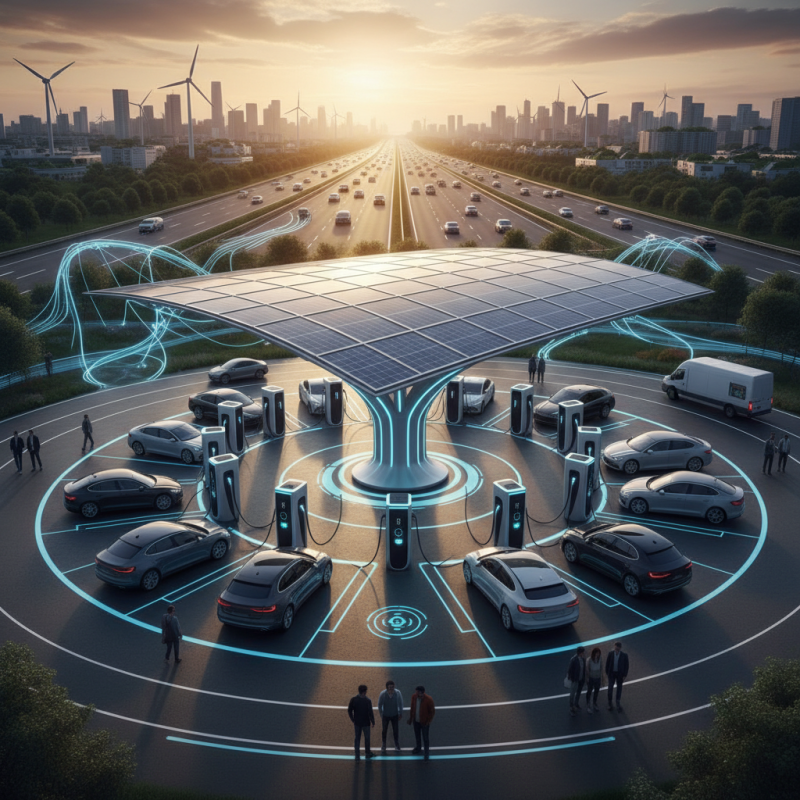
Open standards play a crucial role in the development of electric vehicle (EV) infrastructure. They ensure that all components—from charging stations to software—can communicate effectively. This interoperability enhances user experience and promotes the growth of EV adoption.
One of the most significant advantages of open standards is the ability to foster innovation. When companies adhere to these standards, they can create new technologies that work seamlessly with existing systems. This includes everything from apps that find charging stations to smart grids that optimize energy use. However, the challenge lies in ensuring that all stakeholders are on the same page.
Tips: Always check the compatibility of your charging station with your vehicle. This can prevent unexpected issues. Engage with local EV communities to stay informed on best practices. Collaboration across sectors can lead to more robust solutions. Remember, maintaining flexible standards can enhance future advancements, but constant evaluation is essential. Embrace the process of refinement as technology evolves.
Electric vehicle (EV) charging standards and protocols are vital for a seamless user experience. These standards ensure compatibility between different vehicles and charging stations. Key components like connector types and communication protocols define how charging takes place. Familiarity with these components can greatly enhance efficiency in the EV ecosystem.
One important aspect is the connector type. Various standards exist, such as CCS, CHAdeMO, and Tesla’s proprietary connectors. Users should understand which connectors their vehicles support. Incorrect connectors can lead to wasted time and frustrating experiences.
Another critical element is communication between the vehicle and the charging station. Protocols like OCPP (Open Charge Point Protocol) allow for data exchange, enabling smart charging solutions. By keeping track of developments in these protocols, users can make informed choices about where to charge and how to optimize their charging habits. Regularly checking updates in the charging infrastructure is essential.
Tips: Always confirm connector compatibility before charging. Explore apps that track charging station status and availability. Awareness of local regulations on EV charging can prevent potential issues and guide informed decisions.
| Standard/Protocol | Type | Communication Method | Supported Voltage | Charging Speed |
|---|---|---|---|---|
| CHAdeMO | DC Fast Charging | CAN, TCP/IP | 400V | 50 kW |
| CCS (Combined Charging System) | DC Fast Charging | PLC, Ethernet | 150-1000V | 50-350 kW |
| GBT (China's National Standard) | DC Charging | TCP/IP | 300-750V | 60-240 kW |
| OCPP (Open Charge Point Protocol) | Management Protocol | WebSocket, HTTP | N/A | N/A |
| ISO 15118 | Plug & Charge | PLC, Ethernet | 300-1000V | Up to 350 kW |
The landscape of electric vehicle (EV) infrastructure is rapidly evolving. Industry leaders are at the forefront, developing open standards essential for interoperability and efficiency. These standards ensure different EV charging stations communicate seamlessly. Without these guidelines, users may face compatibility issues or confusion over charging processes.
Organizations driving these open standards focus on collaboration. They bring together stakeholders from various sectors. This diverse engagement helps create a robust set of guidelines. However, challenges remain, such as the varying pace of adoption across regions. Some areas may lag, which can hinder overall progress in EV infrastructure.
Stakeholders must also consider the environmental impact of these standards. A push for sustainable practices is essential yet often overlooked. Efforts to align open standards with eco-friendly solutions are ongoing. Continuous improvement and open dialogue will shape the future of EV infrastructure, ensuring it meets both user needs and sustainability goals.
Open standards play a crucial role in the growth of electric vehicle (EV) infrastructure. They provide a common framework for manufacturers, developers, and operators, enhancing compatibility across various systems. This standardization helps reduce costs and simplifies the EV charging experience for users. As more charging stations follow these guidelines, adoption rates can increase significantly. Drivers will feel more confident, knowing they can recharge their vehicles easily.
However, not all regions embrace open standards equally. Some areas still feature proprietary systems, limiting interoperability. This lack of cohesion may deter potential EV owners who fear being locked into specific networks. Creating a comprehensive approach to open standards can address these challenges. Education and collaboration among stakeholders are vital to propel widespread adoption.
Addressing the gaps in open standard implementation requires ongoing effort. Stakeholders must remain committed to refining these standards. Regular evaluations can help identify shortcomings. Building an inclusive framework fosters growth and ensures the EV market meets the needs of all users. Open standards are not a panacea, but their thoughtful application can significantly impact EV adoption rates and infrastructure expansion.
Open standards play a crucial role in the successful implementation of EV charging infrastructure. One notable case study comes from a pilot project in a metropolitan area. This project focused on interoperability among different charging stations. By using open protocols, various manufacturers ensured their equipment could communicate seamlessly. The result was a unified network that enhanced user experience for EV owners. Drivers reported fewer frustrations while locating and using chargers.
Another compelling example is from a regional initiative that aimed at expanding EV charging in rural areas. The team adopted open standards to allow multiple vendors to contribute to the network. This diverse participation increased accessibility, as more charging points became available. However, challenges arose in maintaining consistent user interfaces across devices. Users encountered inconsistencies in payment methods and charging speeds. These hiccups highlighted the need for ongoing evaluations to improve the system.
Despite successes, there remains room for improvement in open standards for EV infrastructure. Ensuring reliable data-sharing protocols can enhance charging station management. Stakeholders should engage in continuous dialogue to address gaps in technology. Community feedback could lead to better services and increased adoption. An adaptable approach is essential for evolving with the fast-paced EV market.
: EV charging standards ensure compatibility between different vehicles and charging stations. They enhance the overall user experience.
Connector types vary among standards. Using the wrong connector wastes time and can create frustration for users.
Protocols like OCPP enable data exchange. This allows for smarter charging solutions and better user management.
Open standards create a common framework. This enhances compatibility and increases user confidence in charging.
No, some regions use proprietary systems. This can limit interoperability and deter potential EV owners.
Users should explore apps that track station status. This helps optimize charging habits and reduces wait times.
Awareness of regulations is vital. Understanding local laws can prevent issues and guide their charging decisions.
Continuous evaluation is necessary. Commitment to refining standards can address gaps and foster an inclusive EV market.
There are challenges in cohesion and education. Stakeholders must collaborate to promote widespread adoption effectively.
They are not a flawless solution. Thoughtful application is needed to maximize their benefits for all users.
The article "Top Open Standards for EV Infrastructure: What You Need to Know" provides a comprehensive overview of the importance of open standards in electric vehicle (EV) infrastructure. It delves into the key components of EV charging standards and protocols that facilitate seamless integration and communication between various charging systems. By highlighting the roles of industry leaders in developing these open standards, the article underscores their critical influence on the rate of EV adoption and the overall growth of charging infrastructure.
Furthermore, the article presents case studies of successful implementations of open standards in EV charging, illustrating their effectiveness in enhancing interoperability and user experience. Ultimately, embracing open standards in EV infrastructure is essential for fostering innovation, improving efficiency, and supporting the transition to sustainable transportation.

Volt Charger