Choosing an electric vehicle charger for home use is not only about charging speed or a low purchase price. Your parking space, electrical panel, cable length, weather exposure, and daily driving distance all affect the right choice. This guide introduces China’s top 10 EV chargers and explains what makes each model practical for residential charging. It also asks an important question: How to install EV chargers at home safely, efficiently, and with fewer surprises?
A reliable installation begins with evidence, not advertising claims. Check the charger’s rated power, connector compatibility, safety protections, warranty, monitoring features, and operating temperature range. A qualified electrician should inspect the home circuit, confirm available capacity, and select suitable protective equipment. Never treat a standard wall outlet as automatically adequate for continuous high-current charging. Heat, loose connections, and undersized wiring can create serious risks.
Small details matter. Measure the distance from the electrical panel to the parking point. Note whether the cable crosses a walkway or faces rain. Consider a wall-mounted unit with clear status lights and simple controls. Some smart chargers offer useful scheduling, but applications may occasionally disconnect or display delayed data. That limitation deserves attention.
The “best” charger is not universal. A budget model may suit an apartment garage, while a connected unit may benefit a larger household with solar power. Product specifications and local installation requirements can change. Review current documentation before purchasing, and let professional experience guide the final decision. Expect a safer, cleaner, and more dependable home charging routine.
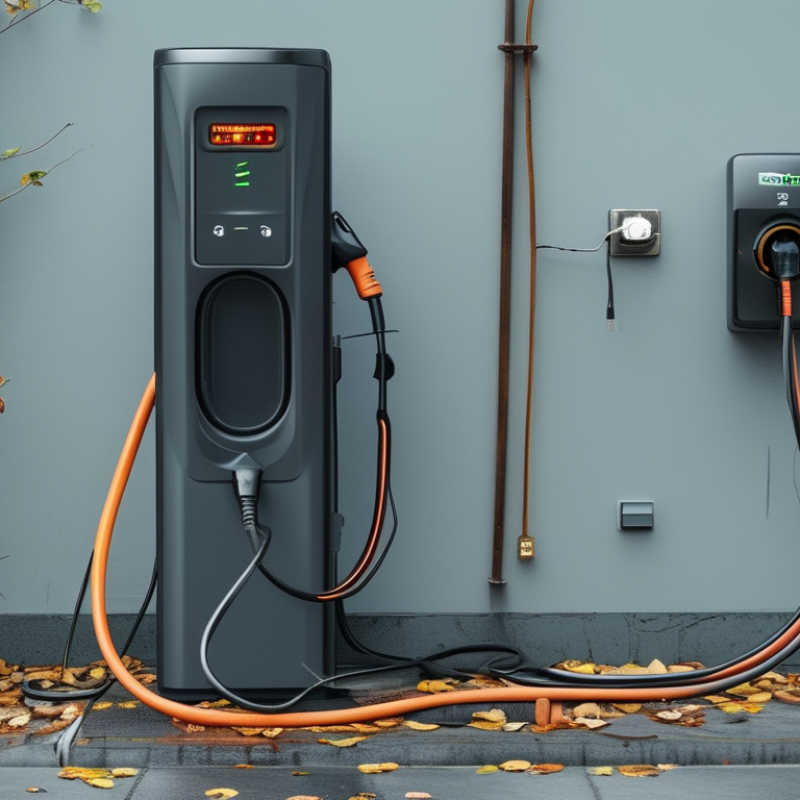
China’s top ten EV chargers are best judged by use case, not appearance. A portable AC charger suits renters and roadside emergencies. A 7 kW wallbox fits most detached homes with single-phase power. It is compact. A tethered model offers daily convenience, while an untethered socket accepts different charging cables. An 11 kW three-phase charger works well for homes with suitable electrical capacity and overnight parking. A 22 kW AC unit serves larger properties, but the vehicle must support that rate. Otherwise, the extra output brings little value.
For faster charging, a compact DC home charger can reduce waiting time, though it needs careful load planning and higher installation costs. A dual-port charger helps families charge two vehicles, but power sharing may slow both sessions. A solar-compatible charger adjusts charging around rooftop generation and can reduce daytime grid use. A weather-resistant outdoor wallbox suits driveways, provided its enclosure, cable, and connector match local conditions. A smart charger adds scheduling, energy monitoring, and remote control for time-of-use electricity plans.
Before installation, a qualified electrician should inspect the consumer unit, earthing, cable route, and maximum household load. Residual-current protection and certified components matter more than decorative screens. I would not assume a powerful charger is automatically better. A 7 kW unit may be the safer choice for an older home. Leave clearance around the charger, protect it from standing water, and test charging at low power first. Real homes are rarely perfect, and future vehicle changes can make today’s careful choice feel limited.
: A portable AC charger is practical. Store it in the vehicle. Check the outlet and cable condition before use.
A 7 kW wallbox often works well with single-phase power. It supports overnight charging without demanding excessive household capacity.
An 11 kW charger suits homes with three-phase power. A 22 kW unit needs matching vehicle support. More output is not always better.
A tethered charger offers daily convenience. An untethered socket accepts different charging cables. Cable storage may become annoying.
A dual-port charger can serve two cars. Power sharing may slow both sessions. That trade-off is easy to overlook.
It can adjust charging around rooftop generation. Charging during sunny hours may reduce grid use. Clouds can change the plan quickly.
The electrician should inspect the main panel, earthing, cable route, and household load. A dedicated circuit and correct protection are essential.
Mount it near the vehicle’s charging port. Keep it away from standing water, impacts, and children pulling the cable. Leave clear space around it.
Test voltage, grounding, and protective shutoff functions. Monitor the first session. Stop for heat, buzzing, or a burning smell.
No. A tidy path may cross a damp corner. I would inspect it again. Small oversights matter.
This guide explores China’s top 10 EV chargers by comparing their charging levels, connector options, power ratings, smart features, weather resistance, and ideal home applications. It explains how to choose a suitable charger according to your vehicle, daily driving needs, available installation space, budget, and household electrical capacity. Readers will also learn what to check before installation, including the main service rating, circuit capacity, grounding, cable routing, protective devices, and local safety requirements.
The article provides a practical overview of How to install EV chargers at home, from selecting a safe mounting location and preparing a dedicated circuit to connecting, securing, and testing the equipment. It also covers post-installation checks, routine maintenance, charging performance monitoring, and common troubleshooting steps for issues such as connection failures, overheating warnings, or interrupted charging. Following these recommendations can help homeowners establish a reliable, efficient, and safer home charging routine.

 Volt Charger