Solar energy is rapidly transforming the way we power our lives. Electric vehicles (EVs) are becoming increasingly popular. This trend raises an important question: how solar energy can integrate with EV chargers? This integration can lead to a more sustainable future.
Solar panels can generate clean energy during the day. This energy can be used to charge EVs directly. By harnessing solar power, we reduce reliance on fossil fuels. However, there are challenges to this integration. For instance, charging infrastructure must develop to accommodate solar energy. Additionally, energy storage solutions are needed for nighttime charging.
Innovative technologies are emerging to tackle these challenges. Battery storage systems can store excess energy generated during the day. Smart chargers can manage energy flow, optimizing usage. Yet, hurdles remain, such as high initial costs and regulatory processes. Addressing these issues is crucial for a seamless transition. Enabling the integration of solar energy with EV chargers could pave the way for a cleaner, greener transportation ecosystem.
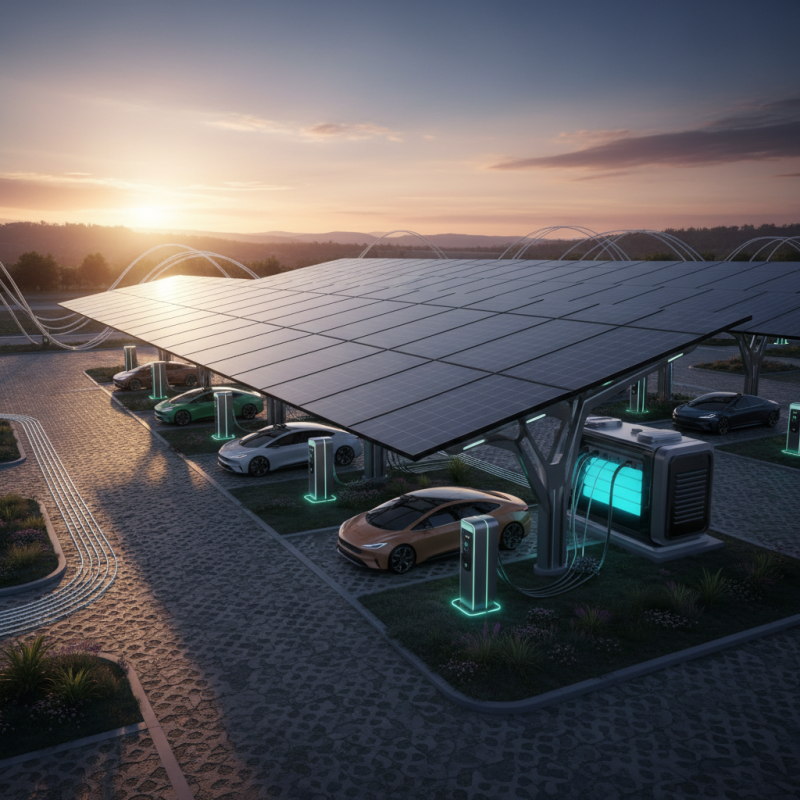
Solar energy plays a pivotal role in sustainable power generation. In recent years, it has gained traction as a clean alternative to fossil fuels. The International Energy Agency (IEA) reported that solar power could account for nearly 30% of global electricity generation by 2030. This shift away from conventional energy sources is essential for limiting climate change.
Integrating solar energy with electric vehicle (EV) chargers enhances the sustainability of both systems. A study by the National Renewable Energy Laboratory found that pairing solar panels with EV chargers can offset up to 60% of charging emissions. This synergy not only reduces reliance on grid electricity but also promotes energy independence. However, challenges remain in balancing energy production and demand, particularly during peak usage times.
The transition to solar energy faces hurdles. Efficiency rates for solar panels hover around 18% to 22%. This means that a significant amount of sunlight remains unutilized. Additionally, energy storage solutions, like batteries, are still costly and have limited lifespan. Addressing these issues is vital for maximizing the benefits of solar power in EV charging. Exploring innovative technologies and partnerships could pave the way for further advancements in sustainable energy.
Electric vehicle (EV) charging technology is evolving rapidly. According to the International Energy Agency, the number of public charging points has grown by over 60% in the past year alone. These charging infrastructures are essential for the widespread adoption of EVs. Various charging technologies, such as Level 1, Level 2, and DC fast charging, cater to different needs and locations. Level 1 chargers are slow but ideal for home use. Level 2 chargers offer faster charging times and are common in public spaces.
The integration of solar energy with these charging stations represents a significant step toward sustainability. Solar-powered EV chargers reduce dependency on fossil fuels. Research shows that combining solar panels with a charging station can decrease overall energy costs by up to 50%. However, challenges remain. The intermittency of solar power may limit charging availability during cloudy days. Additionally, the initial installation costs for solar systems can be significant.
Data from the U.S. Department of Energy indicates that the market for solar-integrated chargers is expected to grow by 25% annually. Yet, this market segment still faces hurdles, such as grid compatibility and energy storage solutions. Enhancing EV infrastructure is crucial for realizing the full potential of solar energy. The interplay between these technologies will dictate the future landscape of clean transportation.
The integration of solar energy systems with electric vehicle (EV) chargers represents a significant step toward sustainable power solutions. By harnessing sunlight, households and businesses can generate energy to charge EVs. This process reduces dependency on fossil fuels and minimizes carbon footprints. Solar panels convert sunlight into electricity, which can recharge EV batteries during daylight hours. This synergy offers a renewable alternative to traditional energy sources.
However, challenges exist in optimizing this integration. Variability in solar energy production can lead to fluctuations in charging capability. Moreover, not all locations receive equal sunlight, which can impact overall efficiency. Designing a balanced system requires careful planning.
Solar energy storage solutions, such as batteries, need to be incorporated. This ensures that EVs can be charged even during low sunlight conditions. Collaborating with experts in renewable energy can help address these concerns effectively.
As the technology evolves, more users are embracing this integration. But practical implementation continues to require adjustments. Owners need to evaluate their energy use patterns. This can help maximize benefits from both solar panels and EV chargers. Engaging in discussions about best practices can enhance user experience. These reflections can lead to improved systems in the future.
The integration of solar energy with electric vehicle (EV) chargers offers numerous benefits. Solar installations can provide clean, renewable energy to power EV chargers. This helps reduce greenhouse gas emissions. According to the International Energy Agency, adopting solar-powered EV charging could cut emissions by 3.7 gigatons annually by 2030. This is a significant step toward sustainable transportation.
Using solar energy can lower the operational costs of EV charging stations. A study by the U.S. Department of Energy indicates that pairing solar panels with EV chargers can decrease energy expenses by 60%. It also provides energy independence. However, the initial installation costs can deter some potential users. Infrastructure challenges in integrating solar and EV technology also need to be addressed.
On the consumer side, access to solar-powered chargers can enhance convenience. Users often appreciate the blend of clean energy with efficient charging solutions, but many locations still lack these setups. As adoption increases, more charging stations will feature solar panels. This could lead to a more sustainable future for electric mobility.
| Dimension | Data |
|---|---|
| Solar System Capacity (kW) | 6 kW |
| EV Charging Station Usage (%) | 75% |
| CO2 Emission Reduction (kg/year) | 1,500 kg |
| Annual Energy Savings ($) | $1,200 |
| Electricity Generated by Solar (kWh/year) | 8,500 kWh |
| Average EV Charging Time (hours) | 4 hours |
| Increased EV Adoption Rate (%) | 20% |
Integrating solar energy with electric vehicle (EV) chargers brings several challenges. Solar power generation is intermittent. Weather conditions can significantly affect energy production. Days with little sunlight can lead to insufficient charging power. Energy storage systems, like batteries, can help. However, these systems are often expensive and complex to manage. Users must balance their energy needs with charging demands.
Another issue is grid compatibility. Many existing electrical grids were not designed for decentralized energy sources. This can create inefficiencies when connecting solar-generated energy to EV chargers. Upgrading grid infrastructure is capital intensive. Local governments may struggle to find funding for these projects. Regulatory hurdles can slow down progress in adopting solar-EV solutions.
Finally, user education is crucial. Many EV users may not fully understand how solar energy can power their vehicles. A lack of knowledge can hinder the adoption of these technologies. Efforts to increase public awareness are essential. Workshops and informational campaigns can bridge this gap. Educated consumers are more likely to invest in solar-powered chargers. Overall, addressing these challenges isn't easy but necessary for a sustainable future.
: It reduces greenhouse gas emissions and lowers operational costs. Solar installations also enhance energy independence.
Charging efficiency can fluctuate due to variable sunlight. This means cloudy days may lead to less charging power.
Energy storage systems, like batteries, can provide power even in poor conditions, though they can be complex and costly.
Many EV users lack knowledge about using solar energy. Better understanding can significantly boost adoption rates.
Existing grids often lack the design to handle decentralized energy. Upgrading infrastructure can be very expensive.
Initial costs can be high, which may deter potential users. However, the long-term benefits are substantial.
Sunlight availability varies by location. Some areas may not be ideal for maximizing solar energy production.
By reflecting on energy patterns, users can better utilize both solar panels and EV chargers effectively.
As technology evolves, practical implementation might improve. Discussions among users can lead to enhanced systems.
Infrastructure challenges and varying local support hinder progress. Increased demand could stimulate more solar installations.
The integration of solar energy with electric vehicle (EV) chargers presents a promising solution for sustainable power generation. Solar energy plays a crucial role by providing a renewable source of electricity that can be harnessed to charge EVs, thereby reducing dependence on fossil fuels and lowering carbon emissions. Various electric vehicle charging technologies, including Level 1, Level 2, and DC fast charging, can be effectively coupled with solar energy systems to create a cleaner energy ecosystem.
Furthermore, the combination of solar power and EV infrastructure offers multiple benefits, such as cost savings on electricity, reduced grid reliance, and enhanced energy security. However, there are challenges to consider, including the initial setup costs and the need for efficient energy management systems. Addressing these challenges is essential for optimizing the integration of solar energy with EV chargers. Ultimately, exploring how solar energy can integrate with EV chargers is vital for promoting sustainable transportation and advancing renewable energy goals.

Volt Charger