As electric vehicles (EVs) become mainstream, the demand for efficient charging solutions grows. How software updates improve EV charger performance is a crucial topic. Regular updates optimize charger functionality, ensuring they adapt to the latest technology and user needs. This leads to faster charging rates and better energy management.
Many users underestimate the significance of software in their chargers. Updated software can fix bugs, enhance user interfaces, and introduce new features. Each update brings the potential for improved compatibility with different EV models. Many EV owners may not realize that these updates can prevent potential issues, enhancing reliability over time.
The importance of software updates cannot be overstated. They are essential for maintaining optimal performance and safety. However, some users may overlook the need to regularly check for updates. This habit could impede their charging experience. Understanding the role of software can help EV owners make informed decisions. Embracing updates paves the way for a more efficient charging future.
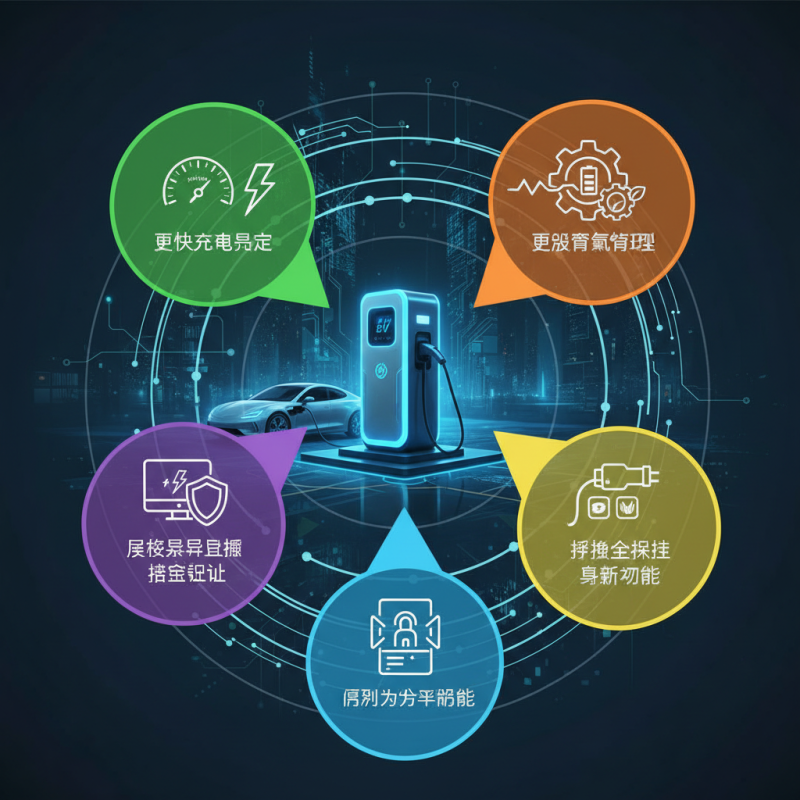
Regular software updates are essential for enhancing the performance of electric vehicle (EV) chargers. These updates can significantly improve functionalities, ensure compatibility with new technologies, and bolster security measures. When manufacturers release updates, they often address bugs and vulnerabilities found in previous versions. Addressing these issues promptly can prevent potential failures and enhance user experience.
One benefit of software updates is improved charging efficiency. Updated software optimizes the charging process, which can reduce the time needed for each session. This efficiency is especially valuable in fast-charging stations, where users expect quick service. Regular updates can also help EV chargers communicate better with various vehicle models, ensuring a seamless connection.
Stay proactive about your charging station's software. Check for updates regularly, and don't hesitate to schedule them. Consider setting reminders on your calendar. Downloading the latest versions promptly can help maintain safety and functionality. Engaging with your supplier’s resources can provide insights into any upcoming updates or best practices for maintenance. Each update can offer small yet impactful improvements; they can cumulatively enhance your charging experience.
Software optimization plays a vital role in enhancing the efficiency of electric vehicle (EV) chargers. Regular updates improve the algorithms that manage charging dynamics. This results in faster charging times, as the software can adjust the power output based on the battery's current state. It ensures that batteries receive the right amount of energy at the right time.
Charging efficiency can also be impacted by how software manages temperature and energy distribution. For example, better thermal management can help maintain optimal battery health. This means longer battery life and reduced wear over time. With updated software, chargers can adapt to various environmental conditions, providing a reliable service.
Tip: Always ensure that your EV charger software is up-to-date. This simple step can enhance performance significantly.
Tip: Be mindful of unexpected behavior during charging. If your charger shows unusual patterns, it may indicate the need for a software update.
Staying informed about software capabilities allows users to maximize their EV charging experiences. Regular checks can lead to improvements that were not initially evident.
In recent updates, user interfaces for EV chargers have seen remarkable improvements. A well-designed interface is crucial for enhancing the user experience. Users now find it easier to navigate through charging options. Clear icons and intuitive layouts reduce frustration for first-time users.
Tips for improving your user experience: Always look for chargers that offer real-time data. Knowing how much charge you have and the time remaining can ease anxiety. Also, take note of any updates. Regular software enhancements can streamline your charging experience.
Feedback is important. If a feature feels difficult to use, consider sharing your thoughts. Developers appreciate constructive feedback. This can lead to further innovations. Engaging with other users can also provide insights into effective practices. Always keep an eye on updates for new features that can enhance your charging experience.
| Feature | Description | Impact on User Experience | User Feedback Score (out of 10) |
|---|---|---|---|
| Real-Time Monitoring | Provides users with live updates on charging status and energy consumption. | Enhances energy management and reduces anxiety about charging availability. | 9 |
| Customizable Charging Settings | Allows users to set preferences for charging times and power levels. | Empowers users to optimize charging costs and convenience. | 8 |
| User-Friendly Interface | Simplified navigation and enhanced visuals for easier use. | Improves accessibility and reduces user error during charging. | 9 |
| Enhanced Safety Features | Includes alerts and automatic shut-off functions during faults. | Increases user confidence and trust in charging equipment. | 9 |
| Integration with Mobile Apps | Allows remote control and monitoring from smartphones. | Enhances convenience and keeps users informed on-the-go. | 8 |
Software updates play a crucial role in enhancing the performance of EV chargers. One significant benefit is their ability to increase compatibility with new electric vehicle models. Each update can introduce support for the latest charging protocols. As manufacturers innovate, these updates ensure that older chargers can operate seamlessly with newer vehicles. This adaptability is essential in a rapidly evolving market.
Moreover, as electric vehicles become more sophisticated, their charging needs change. Regular updates address these shifts, optimizing charging times and efficiency. Outdated software may lead to incompatibility issues, which can frustrate users. A seamless charging experience boosts confidence among EV owners. However, it’s worth noting that not all chargers receive timely updates. This gap can create challenges for users with older infrastructure.
Unexpected problems can arise, even with software improvements. Some updates may unintentionally affect charger performance. Users may encounter issues like slower charging or connectivity drops. These setbacks highlight the need for thorough testing and feedback loops. Embracing continuous improvement is vital for enhancing both charger functionality and user experience. While updates can significantly enhance compatibility, a systematic approach to implementation is crucial.
Software updates for electric vehicle (EV) chargers often include enhanced security features that are crucial for their operation. As hackers become more sophisticated, manufacturers must stay ahead to protect users. Regular updates help to patch vulnerabilities, ensuring that unauthorized access is limited. This proactive approach not only protects user data but strengthens the overall security of the charging network.
Moreover, these updates can introduce advanced encryption protocols. This ensures that both the charging stations and the vehicles maintain secure communication. Users may overlook the importance of this aspect, but without these updates, chargers can become soft targets. Each update brings improvements that may not be visible at first glance, yet they significantly enhance user trust and system integrity.
While some users may resist updates due to inconvenience, delaying them can lead to potential risks that outweigh the temporary hassle.
: Regular updates improve performance, enhance functionalities, and bolster security measures in EV chargers.
Software updates optimize the charging process, reducing session time significantly at fast-charging stations.
Delaying updates can lead to potential failures, increased incompatibility, and diminished user experience.
Yes, updates support the latest charging protocols, allowing older chargers to work with new models.
Sometimes, updates may slow down charging or drop connectivity, emphasizing the need for thorough testing.
They patch vulnerabilities and introduce encryption to protect against unauthorized access and improve data safety.
Regularly check for updates, set reminders, and follow your supplier’s resources for best practices.
Yes, potential threats increase without updates, making chargers more vulnerable to attacks and malfunctions.
Enhanced security features and regular improvements build confidence and ensure the integrity of the charging system.
They may not receive updates on time, leading to compatibility issues with newer electric vehicle models.
Regular software updates play a crucial role in enhancing the performance of electric vehicle (EV) chargers. These updates bring about significant benefits, including optimized charging efficiency, which helps reduce energy consumption and improve the speed of charging sessions. Furthermore, software enhancements often lead to an improved user interface and overall user experience, making it easier for users to navigate and utilize charging stations effectively.
In addition to these advantages, regular updates ensure increased compatibility with new electric vehicle models as technology evolves, allowing chargers to serve a wider range of vehicles. Lastly, enhanced security features embedded in software updates protect the chargers from potential cyber threats, contributing to user safety and confidence. Overall, understanding how software updates improve EV charger performance can help users appreciate the importance of keeping their charging equipment up-to-date.

Volt Charger