As the world shifts towards green energy, electric vehicles (EVs) have emerged as a promising solution. However, their rising popularity also brings challenges. Charging these vehicles can strain our electrical grids and increase energy costs. Understanding how smart EV charging can save energy efficiently is crucial in this context. Smart charging systems utilize advanced technology to optimize energy use. They adjust charging times and rates based on grid demand and renewable energy availability.
This innovative approach not only reduces peak loads but also minimizes energy waste. In many areas, electricity usage spikes when everyone charges their EVs simultaneously. Smart charging algorithms help mitigate this issue. They can shift charging to off-peak times when energy is cheaper and more abundant. Additionally, smart EV chargers can engage in vehicle-to-grid (V2G) systems. This allows EV owners to sell stored energy back to the grid, further enhancing energy efficiency.
However, challenges remain. Not everyone has access to smart charging technology, which can create disparities. Additionally, the initial setup costs may deter some users. Thus, while the benefits are substantial, ongoing conversation and reflection on accessibility and cost are essential in maximizing the potential of how smart EV charging can save energy.
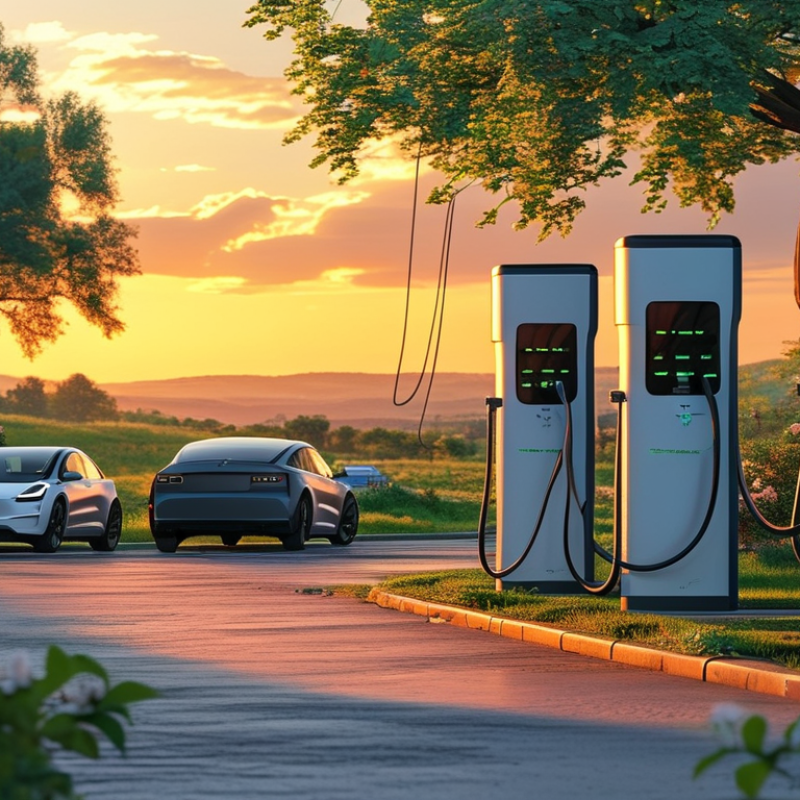
Understanding Smart EV Charging Technology
Smart EV charging technology represents a crucial advancement in energy management. It intelligently coordinates charging times to align with grid conditions. For instance, charging during off-peak hours can significantly lower energy costs. This minimizes the stress on the energy grid, easing overall demand.
Implementing smart charging systems involves various components. These include software that analyzes energy costs and suggests optimal charging times. Data from local renewable energy sources can also be integrated. Users might feel uncertain about how to adapt to these new systems. Resistance to change is common, and not all would understand the technology's complexities.
Furthermore, reliability in these systems is vital. Charging infrastructure must be consistent and accessible. Users must have trust that their vehicles will charge as expected. Yet, given the rapid advancements in technology, adaptability can sometimes fall short. There remain uncertainties about long-term satisfaction with smart charging solutions. Engaging with new tech often requires patience and a willingness to learn.
Benefits of Smart EV Charging for Energy Efficiency
Smart EV charging is revolutionizing energy efficiency, offering numerous benefits that address both economic and environmental concerns. According to recent studies, implementing smart charging systems can reduce energy costs by up to 30%. These systems analyze energy demand and supply patterns. They ensure electric vehicles charge during off-peak hours, taking advantage of lower electricity rates. This optimization not only saves money for users but also alleviates pressure on the grid.
The potential for energy savings is significant. A report from the International Energy Agency states that smart charging can lead to a 10 terawatt-hour reduction in electricity demand by 2030. This reduction translates into decreased greenhouse gas emissions, supporting global sustainability goals. However, the rollout of these smart solutions is not without challenges. Lack of infrastructure and consumer awareness hinders full adoption. Industry experts emphasize the need for better education and investment in charging networks to realize the full potential of smart charging.
Despite these hurdles, the prospects remain promising. The integration of renewable energy sources into smart charging systems could enhance energy efficiency further. Real-time data can facilitate dynamic pricing and charge scheduling. A smarter energy ecosystem emerges when EVs communicate with the grid seamlessly. Overall, while we face obstacles in implementing smart EV charging, the benefits for energy efficiency and environmental impact are clear and compelling.
How Smart Grids Integrate with Smart EV Charging
Smart grids and electric vehicles (EVs) play essential roles in today's energy landscape. Integrating them allows for better management of energy resources. Smart EV charging enables vehicles to communicate with the grid. This interaction includes when to charge and how much energy to draw. Such responsiveness helps balance energy consumption.
The key is using real-time data. With smart grids, charging stations can adjust their energy use based on grid demand. During off-peak hours, EVs can charge when energy is abundant and cheaper. This not only saves costs but also stabilizes the grid. But the technology isn't perfect. Issues like infrastructure gaps and data security concerns remain critical. Some consumers may resist smart charging due to privacy issues.
Moreover, climate goals drive the push for green energy. Smart charging curbs fossil fuel dependency but implementation is uneven. In some regions, robust systems are in place, while others struggle. Bridging this gap requires collaboration. Stakeholders need to work together for widespread benefits. Continuous feedback from users could improve systems over time. Addressing imperfections now will lead to smarter, more efficient energy use later.
Case Studies: Successful Implementation of Smart EV Solutions
Smart EV charging solutions are transforming how we manage energy consumption. Numerous case studies reveal the effectiveness of these systems in reducing peak demand and optimizing energy use. For example, a local government initiative in California demonstrated a 25% reduction in energy costs over two years by implementing smart charging technology. This not only alleviated pressure on the grid but also encouraged users to charge during off-peak hours, contributing to overall energy efficiency.
In another instance, a utility company in Europe reported a 30% decrease in greenhouse gas emissions after deploying smart charging infrastructure for electric vehicles. This was achieved by coordinating vehicle charging times with renewable energy production. During sunny or windy days, EVs charged, maximizing the use of clean energy. However, not all projects reach their full potential. Some initiatives struggled due to technology integration issues and user engagement challenges.
These examples illustrate that while smart EV charging can significantly improve energy efficiency, success relies on effective execution and continuous refinement. As the industry evolves, lessons learned from these case studies will be crucial for future implementations. Engaging stakeholders and addressing operational hurdles will be key to maximizing the benefits of smart charging solutions.
Future Trends in Smart EV Charging and Energy Management
The future of smart EV charging hinges on its integration into energy management systems. According to recent reports, smart charging can reduce peak demand by up to 30%. This shift helps grid operators manage energy loads more effectively, especially during high consumption hours. Consequently, it lowers energy costs for consumers and enhances the overall stability of the electrical grid. Advanced algorithms and machine learning are pivotal in optimizing charging times based on energy demand and supply.
The need for integrated systems is evident. The International Energy Agency estimates that smart EV charging could save over 150 terawatt-hours annually by 2030. However, challenges remain, such as the varying adoption rates across different regions. Many users are still unaware of the benefits of smart charging. Raising awareness can facilitate a smoother transition to sustainable energy practices.
Consider using smart charging stations that allow for scheduled charging during off-peak hours. This not only saves money but also supports grid reliability. Engage with local energy providers to explore time-of-use plans that fit your charging habits. Embracing these innovations can pave the way for a more energy-efficient future, despite the complexities involved in widespread adoption.
How Smart EV Charging Can Help Save Energy Efficiently? - Future Trends in Smart EV Charging and Energy Management
| Dimension |
Description |
Benefits |
Future Trends |
| Energy Management Systems |
Integrated platforms that optimize energy distribution for EV charging. |
Reduces energy costs and improves load balancing. |
Increased automation and AI-driven analytics. |
| Smart Grids |
Advanced electrical grids that use digital communication technology. |
Enhances reliability and reduces outages during high demand. |
More widespread adoption of renewable energy sources. |
| Vehicle-to-Grid Technology |
Allows EVs to send energy back to the grid. |
Maximizes utility of stored energy and provides income to EV owners. |
Expansion of bidirectional charging stations. |
| Dynamic Pricing |
Charging costs that change based on demand and supply. |
Encourages charging during off-peak hours. |
More tailored pricing models using AI. |
| Renewable Energy Integration |
Using solar, wind, or geothermal energy for EV charging. |
Reduces carbon footprint and reliance on fossil fuels. |
Increased hybrid charging solutions in urban areas. |
Conclusion
Smart EV charging technology plays a crucial role in increasing energy efficiency by optimizing the use of electricity during charging times. By understanding how smart EV charging can save energy, users can take advantage of variable pricing and grid demand responses, thereby reducing energy consumption during peak hours. Additionally, integrating smart grids with EV charging solutions allows for better management of energy resources, leading to reduced strain on the power supply.
The benefits of smart EV charging extend beyond individual users, as they contribute to a more sustainable energy ecosystem. Case studies have demonstrated successful implementations where cities have harnessed these technologies to improve energy management and reduce emissions. As the future trends in smart EV charging evolve, further advancements will likely enhance energy efficiency and create a more intelligent energy landscape, ultimately supporting environmental sustainability goals.

 Volt Charger