How to Use Portable EV Chargers Safely and Effectively?

Time:2026-08-12 Author:Sienna
0%

As electric vehicles (EVs) gain popularity, understanding how to use portable EV chargers safely is crucial. Experts like Dr. Sarah Thompson, an authority in sustainable transportation, emphasize, “Using portable chargers correctly can prevent accidents and promote efficiency.” With this growing trend among consumers, it’s essential to approach the use of these chargers with care and awareness.

Portable EV chargers offer flexibility, allowing drivers to charge their vehicles conveniently. However, improper usage can lead to safety risks. Users must be aware of the power output and compatibility of their chargers. Identifying the right charging location is equally important. A safe environment ensures both the charger and vehicle function optimally.

Many drivers may overlook simple safety tips, like avoiding wet areas or damaged cables. Ignoring these can escalate into larger issues. Ultimately, adopting effective practices is vital. Understanding how to use portable EV chargers safely not only benefits users but supports the broader shift towards eco-friendly technology.
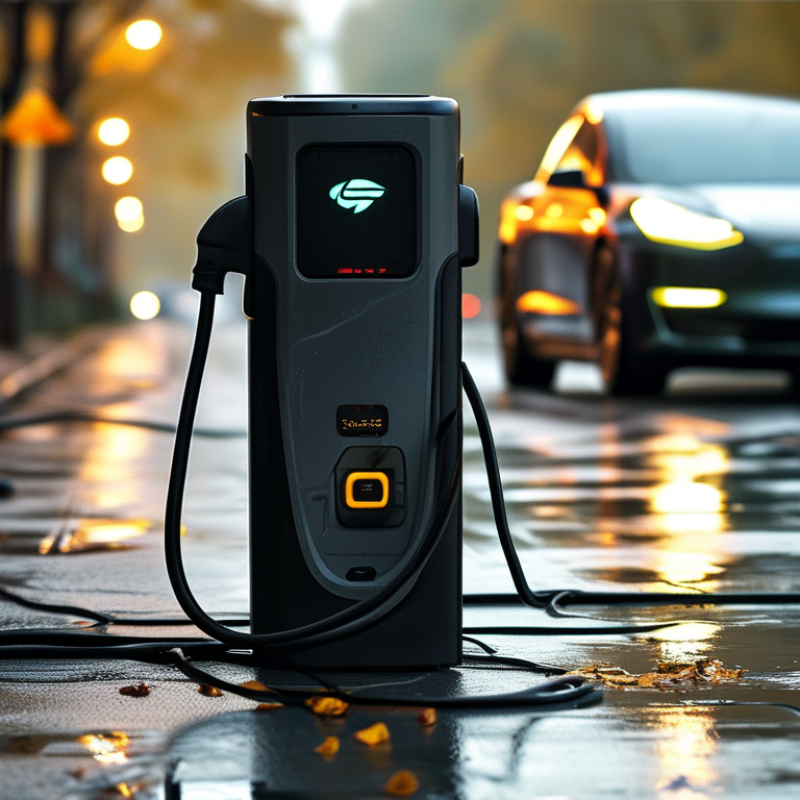
How to Use Portable EV Chargers Safely and Effectively?

How Portable EV Chargers Work: An Overview of Technology and Types

Portable EV chargers have become essential as electric vehicle (EV) adoption increases. Understanding their technology and types can enhance safe and effective usage. These chargers typically fall into Level 1 and Level 2 categories. Level 1 chargers use a standard household outlet, delivering slower charging. They are convenient but may take a long time to recharge an EV fully. Level 2 chargers, on the other hand, require a dedicated circuit and provide faster charging and are ideal for home use.

The technology behind portable EV chargers varies. Most feature a power output ranging from 120V to 240V. This determines charging time and efficiency. Some portable chargers include smart features, allowing users to monitor their charging status via an app. However, not all portable chargers have the same build quality. Users should research different models to find reliable options.

Safety is a concern when using portable chargers. Overheating can occur with poor-quality products, leading to potential hazards. It's important to always follow the manufacturer's guidelines. Misusing a charger can lead to damage, both to the EV and the charger itself. Assessing charging requirements and using the appropriate charger can prevent issues. Investing time in understanding these aspects can significantly enhance your EV charging experience.

Importance of Safety Standards in Portable EV Charger Design and Usage

Portable EV chargers have gained popularity as electric vehicles become more common. However, safety is paramount. According to the International Electrotechnical Commission (IEC), safety standards play a crucial role in designing and using these chargers. Misuse or faulty equipment can lead to electrical hazards or fires. In 2021, it was reported that over 25% of charging equipment failures were linked to subpar design practices.

Proper usage of portable chargers involves understanding their specifications. The National Fire Protection Association (NFPA) suggests that users should always check compatibility with their EV models. Additionally, cords should be inspected regularly for wear and tear. Ignoring basic maintenance can result in malfunction, increasing risks during use. Shockingly, nearly 30% of reported incidents involved damaged cables. This points to a significant need for user education on the importance of visual inspections.

Factors like weather conditions also affect the safety of portable chargers. EV owners are urged to avoid using chargers in wet environments unless specifically designed for such settings. The Consumer Product Safety Commission (CPSC) emphasizes adhering to guidelines, as improper use can lead to tragic accidents. Awareness and adherence to safety standards can help mitigate these risks, but constant vigilance is necessary.

Portable EV Chargers: Safety Features Comparison

Step-by-Step Guide to Properly Set Up a Portable EV Charger

Setting up a portable EV charger can be straightforward if you follow a few key steps. Begin by selecting a safe location for your charger. Ensure it is flat, stable, and dry. A recent report from the International Energy Agency mentioned that over 40% of EV owners use home chargers, highlighting the need for proper setup.

Next, connect the charger to a suitable power source. Check the amperage before plugging it in. Most portable chargers operate on a standard household outlet, but always verify compatibility. Misconnecting the charger can lead to overheating or device damage. Remember, light indicators usually inform you of the charging status.

Tips: Regularly inspect your charger for wear and tear. Cables can degrade over time, posing safety risks. Also, avoid using extension cords as they may not handle the load properly. Lastly, always store the charger in a cool, dry place when not in use to prolong its lifespan and reliability. Regular maintenance is crucial in ensuring safe operation during emergencies or on long trips.

Best Practices for Maintaining Your Portable EV Charger for Longevity

When using a portable EV charger, maintenance is essential for longevity. According to the International Energy Agency, proper care can extend the lifespan of chargers by up to 50%. Regular inspections are vital. Check for frayed wires, signs of wear, or damage. Makeshift repairs should be avoided; they often lead to malfunction.

Charging regularly can prevent battery degradation. Be aware of the charger’s temperature. Excessive heat may reduce its efficiency. Ideal operating temperatures are between 32°F to 113°F (0°C to 45°C). If it feels too hot, it may need a break.

Tips: Always use a clean, dry surface when placing your charger. Dirt can contribute to electrical issues. Store it in a protective case to prevent accidental damage. Lastly, familiarize yourself with the manufacturer's instructions. Neglecting details can result in unexpected problems down the road. Regularly updating your knowledge about EV technology can also yield significant benefits. Stay informed.

Key Safety Protocols for Using Portable EV Chargers in Various Environments

Using portable EV chargers can be convenient, but safety is paramount. When operating these chargers, adherence to protocols is essential. According to the International Electrotechnical Commission (IEC), improper usage can lead to electrical hazards, such as shocks or fires. Always check the charger's rating to ensure compatibility with your vehicle.

When using a portable charger in various environments, consider the power supply source. Avoid using extension cords; they can overheat. The National Fire Protection Association (NFPA) emphasizes that using chargers in wet or damp areas increases risks significantly. Always examine the connections for wear and tear. If you notice frayed cables or exposed wires, cease use immediately.

Tips for safer charging: Never leave the charger unattended while it’s in use. It’s also wise to monitor charging sessions, especially in public locations. Familiarizing yourself with the user manual is crucial. Understanding the charger's features allows for confident use. Remember, maintaining your equipment is key; clean and inspect your charger regularly for optimal performance.

How to Use Portable EV Chargers Safely and Effectively? - Key Safety Protocols for Using Portable EV Chargers in Various Environments

Safety Protocol Ideal Environment Tips
Inspect the Charger Home Garage Check for damage before using.
Use Ground Fault Circuit Interrupters (GFCI) Outdoor Locations Protect against electrical shocks.
Follow Manufacturer Instructions Various Locations Ensure compatibility and safe usage.
Avoid Using in Damp Conditions Rainy Weather Electrical hazards increase in wet environments.
Keep Area Clear Public Charging Stations Ensure no obstructions around the charger.
Monitor Charging Process Home/Work Check periodically for overheating or issues.

FAQS

: What types of portable EV chargers are available?

: Portable EV chargers generally fall into Level 1 and Level 2 categories, each with different charging speeds.

How do I set up my portable EV charger?

Choose a flat, stable, and dry location. Connect to a suitable power source and verify compatibility.

Is it safe to use extension cords with portable EV chargers?

No, avoid using extension cords as they can overheat and pose safety risks during charging.

What should I do if my charger shows wear and tear?

Inspect it regularly. Stop using it if you see frayed cables or exposed wires to prevent accidents.

How can I monitor my portable charger’s status?

Some portable chargers offer smart features. You can check the charging status via a mobile app.

What are the consequences of misusing a portable EV charger?

Misuse can lead to overheating, damage to the EV or charger, and potential safety hazards.

Where should I store my portable EV charger?

Keep the charger in a cool, dry place when not in use to extend its lifespan.

Can I use a portable EV charger in wet environments?

No, avoid using chargers in damp areas. It's a significant risk for electrical hazards.

How important is regular maintenance for portable EV chargers?

Regular maintenance is crucial for safe operation and ensures reliability during emergencies or trips.

What should I do if the charging light indicator is not working?

Check connections and power supply. If issues persist, consult the user manual or consider service.

Conclusion

The article "How to Use Portable EV Chargers Safely and Effectively" provides a comprehensive guide on the technology behind portable EV chargers, their types, and the importance of adhering to safety standards in their design and usage. It outlines a step-by-step approach to properly set up a portable charger, ensuring users can maximize their efficiency while minimizing risks.

Additionally, the article highlights best practices for maintaining the longevity of portable EV chargers, including routine checks and proper storage. Key safety protocols for using these chargers across different environments are also emphasized. Overall, understanding how to use portable EV chargers safely is crucial for both the safety of the user and the optimal performance of the charging device.

Sienna

Sienna

Sienna is a skilled marketing professional with a deep expertise in our company’s core products and services. With a passion for innovation and detail, she plays a pivotal role in crafting insightful blog posts that not only highlight the unique features of our offerings but also provide valuable......