As electric vehicles (EVs) gain popularity, understanding how to plan long trips with EV charging stops becomes crucial. A report by the International Energy Agency (IEA) indicates that global EV sales surged by 40% in 2020 alone, showcasing the growing demand for efficient travel solutions. Proper planning can significantly enhance the user experience, making long journeys both enjoyable and sustainable.
To optimize your route, consider using apps that highlight charging station locations. According to a survey by the Electric Vehicle Association, 58% of EV drivers worry about running out of charge. This concern emphasizes the necessity of pre-planning charging stops. Investing time in research can help avoid potential range anxiety and improve overall travel satisfaction.
However, not all charging stations are equal. Some may have longer wait times or lower power outputs. It's essential to evaluate your options based on your destination and vehicle specifications. Collaboration with charging networks can lead to better accessibility and reliability. Reflecting on these elements will pave the way for seamless long-distance EV travel.
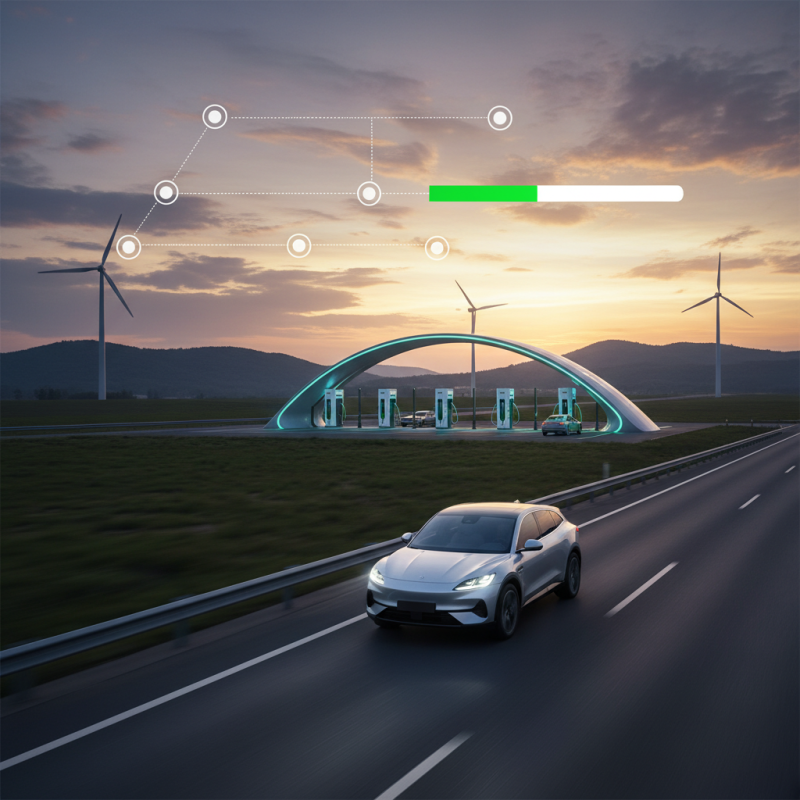
When planning long-distance travel with an electric vehicle (EV), understanding your EV range is crucial. According to the U.S. Department of Energy, most modern EVs range from 200 to over 400 miles on a single charge. However, real-world factors can reduce this range significantly. Weather, tire pressure, and driving habits account for approximately 20% to 30% decreases in range. Knowing how these elements influence efficiency can help you plan better.
Assessing your EV's efficiency is not just about checking the battery level. Utilize tools like range calculators and mobile apps to track energy consumption based on terrain and speed. For instance, driving uphill or at higher speeds can further lower your effective range. Data from the International Energy Agency indicates that EV drivers should factor in extra charging stops for every 100 miles traveled to ensure they reach their destination without anxiety.
Moreover, it's essential to remember that charging infrastructure varies widely. While urban areas may be well-equipped with charging stations, rural regions might not offer the same convenience. Seeking out reliable charging networks along your route will help you avoid unexpected delays. It’s worth noting that charging times can vary, too. Fast chargers can take about 30 minutes to restore 80% of your battery. Consider these aspects when setting your travel itinerary.
When planning long trips with electric vehicles (EVs), finding optimal charging stations is crucial. According to a study by the International Energy Agency, over 90% of EV drivers use public charging as their primary energy source during long journeys. However, not all charging stations provide the same value. Understanding your route and the charging infrastructure is essential for maximizing efficiency.
Identifying the right charging points requires research. Tools like route planners can show station locations, types, and availability. For example, research by the U.S. Department of Energy indicates that fast chargers can often replenish 75 miles of range in just 30 minutes. Prioritize stops with these fast chargers to keep your trip flowing smoothly.
Tip: Use apps to check real-time availability of charging stations. This can save frustration during travel. Also, consider planning stops in areas with amenities to make the wait enjoyable. Reflect on the possibility that not every charging station will work as planned. Always have a backup plan for charging, as station reliability can vary. Stay informed and flexible to ensure a successful EV journey.
When planning a long trip with an electric vehicle, charging speed plays a crucial role. Charging stations vary in speed, impacting overall travel time. Fast chargers can replenish an EV's battery significantly quicker than standard ones. Knowing the difference can save precious hours on your journey. Some stations offer high-speed options, while others may only provide slow trickle charges.
Understanding how these charging speeds affect your schedule is vital. A 15-minute charge can add 100 miles of range at a high-speed station. That’s a noticeable boost. However, if you rely on slower chargers, expect much longer waits for a similar range. This disparity can lead to unanticipated delays. Proper planning requires checks on charging station types along your route.
It’s also important to consider the reliability of these stations. Not every charging station is functional or available, leading to potential frustration. A well-laid-out plan should include backup options. On occasion, you may find a station occupied or out of service. Being prepared for these situations enhances your trip’s efficiency. Planning ahead allows for a smoother and more enjoyable travel experience.
Planning long trips with electric vehicles (EVs) poses unique challenges. Integrating charging stops into your itinerary is essential for ensuring maximum efficiency. Start by mapping out your route carefully. Identify charging stations along the way. Apps and online maps can help. Make sure to factor in the charging times for each stop. Some stations are faster than others.
Choose charging locations wisely. Look for spots near restaurants or parks. This allows you to relax while your vehicle charges. However, be mindful of time spent waiting. It can be frustrating if you overestimate the charging speed. Include buffer time in your schedule. This consideration will reduce stress during your journey.
Flexibility is also key. Plans may change due to weather or delays. Remain open to adjusting your itinerary. Trustworthy information helps you make informed decisions. Embrace the unpredictability of travel. Although it may be inconvenient, navigating these challenges can lead to more memorable experiences. Preparing for setbacks can enhance your journey.
Planning long trips with an electric vehicle (EV) requires careful consideration of charging stops. Apps and tools can provide real-time insights into charging station availability. They help you avoid detours and long waits. Many apps let you filter charging stations by type and speed. This way, you can choose the most convenient option for your route.
Using navigation tools enhances your journey. Some GPS apps can integrate charging stops automatically into your route. They update the information based on current traffic and charging availability. However, relying solely on technology can be risky. Network issues can sometimes lead to outdated information. Always double-check the stations ahead of time for reliability.
Flexibility is key when traveling with an EV. You may find that your initial plan needs adjustments. Charging sessions can take longer than expected. Having a backup plan is wise. Explore different routes and charging options. This approach will help you manage time and energy efficiently on your road trip.
| Trip Segment | Distance (miles) | Charging Stop Location | Estimated Charging Time (hours) | Next Segment Distance (miles) |
|---|---|---|---|---|
| Home to City A | 150 | Charging Station 1 | 0.5 | 200 |
| City A to City B | 200 | Charging Station 2 | 1.0 | 100 |
| City B to City C | 100 | Charging Station 3 | 0.4 | 300 |
| City C to Destination | 300 | Charging Station 4 | 1.5 | N/A |
: Weather, tire pressure, and driving habits can reduce your range by 20% to 30%.
Use range calculators and mobile apps to monitor energy consumption by terrain and speed.
You should plan for extra stops every 100 miles to avoid anxiety about reaching your destination.
Yes, urban areas usually have more charging stations than rural regions, affecting your plans.
Fast chargers can restore 80% of the battery in about 30 minutes, but speeds vary.
Faster chargers can significantly reduce wait times, such as adding 100 miles in 15 minutes.
Include backup charging options in your plan, as stations may be occupied or out of service.
Apps provide real-time updates on station availability, helping you avoid detours and long waits.
Stay flexible and consider alternative routes or charging options if delays occur.
Network issues may lead to outdated information, so always verify stations ahead of time.
When planning long trips with EV charging stops, it's essential to assess your vehicle's range and understand how it affects your travel itinerary. Begin by calculating the maximum distance your electric vehicle can cover on a single charge, which will help you identify the best charging stations along your route. Understanding the charging speeds of various stations is crucial, as it directly impacts your overall travel time.
Integrating planned charging stops into your itinerary ensures that you minimize downtime and maximize efficiency during your journey. Utilizing apps and tools that provide real-time insights into charging station availability and navigation can further streamline your trip. By following these strategies, you’ll have a stress-free long-distance travel experience with your EV.

Volt Charger