How Multi Vehicle Charging Works and Highlights from China Import Expo?

Time:2026-03-25 Author:Madeline
0%

The rapid growth of electric vehicles (EVs) is reshaping the automotive industry. Global sales of EVs surged by 50% in 2021, reaching 6.6 million units. Multi-vehicle charging stations are essential for supporting this trend. Understanding how multi-vehicle charging works is crucial. These charging systems enable multiple vehicles to recharge simultaneously, reducing wait times and ensuring optimal energy use.

A recent report from the International Energy Agency highlights that charging infrastructure is vital for EV adoption. Multi-vehicle charging solutions can enhance grid stability and energy distribution. However, challenges remain. Many of these stations require significant investment and technology advancements. Layouts must accommodate various charging standards and ensure safety for users.

Events like the China Import Expo stress the importance of innovation in charging technologies. Integrating AI into charging solutions shows promise. Smart navigation can improve user experience, guiding EV owners to available chargers efficiently. The future of EV charging lies in overcoming these obstacles while making the infrastructure robust, flexible, and user-friendly.
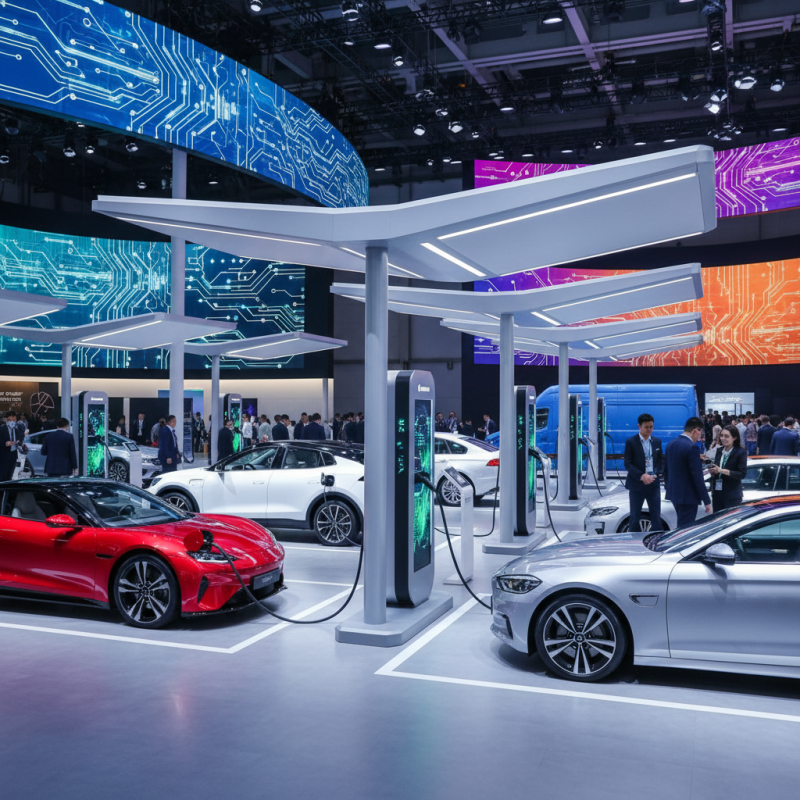
How Multi Vehicle Charging Works and Highlights from China Import Expo?

Overview of Multi Vehicle Charging Technology

Multi-vehicle charging technology is rapidly transforming the electric vehicle (EV) landscape. This system allows multiple EVs to charge simultaneously from a single charging station. In cities with high EV adoption, this capability is essential. Reports show that by 2025, the global EV market is expected to reach 30 million units, increasing the demand for efficient charging solutions.

The technology typically integrates smart grid capabilities. It allocates power dynamically based on each vehicle's needs. This optimization not only reduces wait times but also maximizes energy use. However, it faces challenges. Current infrastructure may struggle to support the surge of vehicles at popular charging spots. Additionally, uneven load distribution can lead to performance issues. Addressing these hurdles is crucial for a seamless charging experience.

China has set an ambitious target to build 600,000 public charging stations by 2025. This ambitious expansion reflects the need for robust multi-vehicle charging solutions. It highlights the urgency for innovations that streamline access and functionality. The future of multi-vehicle charging must focus on partnership among stakeholders. Continued efforts are necessary to ensure that infrastructure evolves with the growing number of EVs on the road.

Key Components of Multi Vehicle Charging Systems

Multi vehicle charging systems are becoming essential as electric vehicle adoption grows. These systems allow multiple vehicles to charge simultaneously. They are designed for efficiency and convenience. Key components of these systems ensure safe and effective charging.

One main component is the charging station. It includes several connectors for different vehicle models. A smart management system manages energy distribution. This system optimizes the charging process. It makes sure each vehicle gets the right amount of power. Additionally, safety features protect against electrical faults. Monitoring systems ensure that everything operates smoothly.

Tips: Consider your location. Having a charging station nearby is vital. Look for areas that support multi charging setups. It can save time and boost convenience. Also, check the compatibility of your vehicle with the charging system.

Another aspect to reflect on is the charging speed. Different vehicles have different charging rates. Some may take longer than others. This could lead to waiting times if a station is busy. Always plan ahead to avoid delays. Understanding these dynamics can enhance the charging experience.

Benefits of Implementing Multi Vehicle Charging Solutions

Implementing multi vehicle charging solutions offers significant benefits for electric vehicles (EVs). These systems allow multiple EVs to charge simultaneously. This approach is not only efficient but also saves time. Fewer charging stations are needed, reducing infrastructure costs. It streamlines the charging process, especially in high-density areas.

Another key advantage is the reduced range anxiety for EV owners. With more vehicles charged at once, drivers face less uncertainty about finding available charging points. This can encourage more people to switch to EVs. More adoption leads to lower emissions, contributing to a greener future.

However, challenges persist. The technology requires significant investment and planning. There needs to be careful coordination to avoid overloading the grid. Balancing demand and supply is crucial. The transition to multi vehicle charging is not seamless, but the potential rewards make it a worthy effort.

Highlights from the China Import Expo: Innovations in Charging Tech

The China Import Expo showcased remarkable innovations in charging technology this year. Attendees were captivated by the advancements in multi-vehicle charging systems. These systems allow multiple electric vehicles to charge at once. They promise to ease congestion at charging stations and enhance convenience. This shift could address some of the charging challenges often faced by EV owners.

One standout feature was the integration of smart technology. These chargers can communicate with vehicles to optimize charging speeds. They adapt to the needs of each vehicle, improving energy efficiency. Yet, some systems still face limitations in their maximum output capacity. It raised questions about scalability and further enhancements needed for widespread adoption. More focus on standardization could help ease these concerns.

Another point of interest was the design of portable charging units. These units are compact and easy to transport. They offer flexibility, especially for urban users. However, they come with a runtime challenge. Users need to fully understand the recharge times. Innovations in battery storage technology are still an area that requires attention and improvement.

Future Trends in Multi Vehicle Charging Development and Adoption

Multi vehicle charging is evolving rapidly. This system allows multiple electric vehicles to charge simultaneously at a single station. As cities grow and electric vehicle adoption increases, the demand for efficient charging solutions rises. High-capacity chargers are emerging, allowing for faster charging times. These advancements aim to reduce wait times for users, but challenges remain.

At the recent China Import Expo, innovations in multi vehicle charging were highlighted. Many exhibitors showcased new technologies that support this concept. Some features included smart charging management systems, which optimize energy distribution. However, not everything is perfect. Issues like compatibility between different vehicle brands still exist. Infrastructure development is also lagging behind demand.

Future trends suggest increased investment in multi vehicle charging networks. Cities will likely prioritize eco-friendly solutions. As the technology matures, we may see improved user experiences and heightened accessibility. Still, the transition won't be seamless. Balancing energy consumption and sustainability will need careful planning. More dialogue is essential to address potential pitfalls in the growing multi vehicle charging landscape.

How Multi Vehicle Charging Works and Highlights from China Import Expo

Dimension Data
Total Charging Stations 1.5 million
Electric Vehicles in Use 300 million
Average Charging Time for Multiple Vehicles 30-60 minutes
Charging Efficiency Rate 85%
Projected Growth (2025) 2 million stations
Investment in Infrastructure (2024) $50 billion
Adoption Rate of Multi Vehicle Charging 60%
Data Sharing Initiatives 10 Programs Active

FAQS

: What are multi vehicle charging systems?

: These systems allow multiple electric vehicles to charge at the same time. They enhance efficiency and convenience.

What is a key component of these systems?

The charging station is crucial. It includes connectors for various vehicle models and ensures safe charging.

Why is a smart management system important?

It manages energy distribution effectively. This system optimizes the charging process for all vehicles.

How can charging speed affect users?

Different vehicles charge at various speeds. Some may take longer, causing potential wait times at busy stations.

What benefits do multi vehicle charging systems provide?

They save time and reduce infrastructure costs by allowing several EVs to charge simultaneously.

What challenge do EV owners face with charging?

Range anxiety can occur if drivers cannot find available charging points. This discourages some from switching to EVs.

What trends are emerging in multi vehicle charging?

High-capacity chargers are being developed to reduce wait times. However, compatibility issues still pose challenges.

Why is careful planning important for charging infrastructure?

Balancing demand and energy supply is crucial. Poor coordination could overload the grid and cause problems.

How does investment impact the future of charging systems?

Increased investment in charging networks can lead to better technology and more eco-friendly solutions in cities.

What should users consider about charging locations?

Choosing a location with charging stations nearby is vital. This can significantly enhance convenience while charging.

Conclusion

The article "How Multi Vehicle Charging Works and Highlights from China Import Expo" delves into the innovative technology behind multi vehicle charging systems. It explains how multi-vehicle charging works by integrating advanced electrical infrastructure that allows for simultaneous charging of multiple electric vehicles, optimizing energy distribution and reducing downtime. Key components such as smart meters, charging ports, and connection interfaces play a crucial role in enhancing the efficiency and reliability of these systems.

The benefits of implementing multi vehicle charging solutions are significant, including reduced space requirements for charging stations and improved energy management. Highlights from the recent China Import Expo showcase cutting-edge innovations in charging technology, emphasizing trends like wireless charging and smart grid integration. Looking ahead, the development and adoption of multi-vehicle charging solutions are expected to grow, driven by advancements in technology and the increasing demand for sustainable transportation options.

Madeline

Madeline

Madeline is a dedicated marketing professional with a wealth of expertise in our company's core offerings. With a keen understanding of the industry, she brings a unique perspective to her role, consistently delivering high-quality content that highlights the superior aspects of our products. As......