As electric vehicles (EVs) gain popularity, many homeowners are considering the question: "How to install EV chargers at home?" According to industry expert Lisa Applegate, "Setting up a home charging station can optimize your EV experience and make it more convenient." This statement resonates with the growing need for accessible charging solutions.
Installing an EV charger at home can transform your daily routine. Imagine never having to stop at a public charging station again. You can plug in your vehicle overnight, just like charging your phone. However, the process requires careful planning and some technical know-how. Identifying the right equipment and understanding electrical requirements are crucial steps to ensure safety and efficiency.
Homeowners may face challenges when considering installation options. Local regulations, electrical capacity, and placement can complicate the process. Reflecting on these factors is essential before proceeding. Choosing a qualified electrician is vital for proper installation. With the right guidance, you can tackle the project confidently and enhance your EV ownership experience.
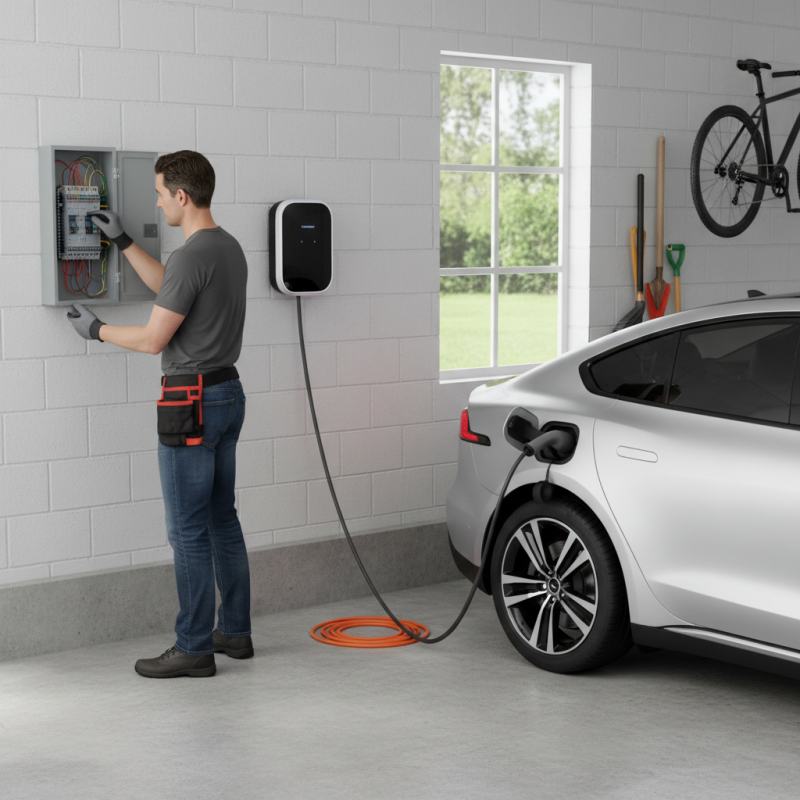
Choosing the right EV charger for your home is crucial for efficient charging. Consider the charging speed that suits your needs. Level 1 chargers use a standard outlet and may take longer to charge your vehicle. Level 2 chargers provide faster charging but require a dedicated circuit.
Assess your daily driving habits. If you drive short distances, a Level 1 charger might suffice. For longer commutes, investing in a Level 2 charger is wise. Also, check your electrical system's capacity. An older system may need upgrades before installation.
Think about the space available for installation. A garage is ideal, but outdoor options must withstand weather changes. Choose a charger with safety features. Look for overcurrent protection and reliable weatherproofing. Each detail impacts your overall satisfaction and convenience.
When considering the installation of an EV charger at home, assessing your electrical system’s capacity is crucial. Many homes, especially older ones, may not have the electrical capacity needed for a dedicated charger. It's essential to determine if your current electrical panel can handle the additional load. A standard charger typically requires a 240-volt outlet, which may demand a dedicated circuit.
Begin by checking your electrical panel's amperage rating. A 200-amp service is generally sufficient for most homes. However, if your home runs multiple high-demand appliances, you might face limitations. It may be worth consulting a licensed electrician. They can evaluate your system and identify potential upgrades. This assessment can prevent future inconvenience.
Additionally, consider the wiring and overall condition of your home’s electrical system. Old or damaged wires may pose safety risks, especially with the high demand of an EV charger. Finding the right balance between energy needs and safety is important. While upgrading your electrical system may incur costs, it ensures long-term reliability and efficiency.
Installing an EV charger at home provides convenience for electric vehicle owners. However, proper planning and execution are crucial. According to the U.S. Department of Energy, nearly 80% of EV charging occurs at home. This statistic highlights the importance of a reliable home setup. Begin by assessing your electrical system's capacity. A licensed electrician can help identify if upgrades are necessary to meet your charging needs.
The process starts with choosing the right charger. Many options are available, from Level 1 chargers, which use a standard outlet, to more powerful Level 2 chargers that provide faster charging. Researching local codes and permitting requirements is essential before installation. The National Electric Code provides guidelines to ensure safety and efficiency. Additionally, consider the placement of the charger for accessibility. Ideally, it should be close to the parking area where your EV will be charged regularly.
Installation should be performed by a professional. DIY attempts can lead to safety hazards or equipment damages. Accurate installation ensures optimal performance and avoids costly repairs down the line. This aspect of EV ownership cannot be overstated. With the growing prevalence of electric vehicles, having a home charging solution is essential. Yet, many still overlook the importance of quality installation. Properly done, it can enhance the EV experience, but poor execution might lead to frustrations.
| Step | Description | Estimated Time | Tools Required |
|---|---|---|---|
| 1 | Choose the location for the charger installation considering proximity to electric panel and vehicle parking area. | 1 hour | Tape measure, marker |
| 2 | Acquire necessary permits and check local regulations for EV charger installation. | 2 hours | Permit application forms |
| 3 | Select the appropriate EV charger based on the vehicle's requirements and charging speed desired. | 1 hour | Internet for research |
| 4 | Hire a licensed electrician to evaluate the electrical system and install the charger. | 4 hours | Electrical tools (screwdriver, wire stripper, etc.) |
| 5 | Test the installation to ensure the charger works correctly with the vehicle. | 30 minutes | User manual, vehicle |
Installing an EV charger at home can significantly enhance your charging experience. However, before you begin, understanding local permits and regulations is crucial. Each municipality may have unique requirements that could affect your project. It's essential to check whether a permit is needed for your installation.
Consult with local authorities to get accurate information. Some areas may require inspections post-installation. This ensures safety and compliance with electrical standards. There may also be specific guidelines regarding the placement of the charger. Knowing these details can help avoid delays or issues.
Another key aspect is to verify if your home’s electrical capacity can support a charger. Depending on your home's age and setup, you might need upgrades. It’s important to involve a certified electrician early in the process. They can provide insights and assess potential challenges. This proactive approach can prevent costly mistakes. Don’t overlook the importance of understanding your local context; it can lead to smoother installation and better long-term use.
Maintaining your home EV charger is crucial for optimal performance. Regular inspections can help identify issues before they become serious. According to industry standards, a well-maintained charger can last up to 10 years. This longevity is reliant on frequent cleaning and checks.
Tip: Keep the charger clean. Dust and debris can accumulate, impacting functionality. A simple wipe-down with a damp cloth works wonders.
An essential aspect of maintenance is monitoring the charging cable. Look for any signs of wear or damage. If the cable shows deterioration, it’s vital to replace it. Experts suggest replacing damaged cables immediately to prevent safety hazards.
Tip: Use cable management tools. These protect your charger and cable from potential damage. Organized storage also promotes cleanliness.
Lastly, software updates can be necessary for smart chargers. Keeping the firmware updated ensures new features and fixes are installed. According to recent reports, chargers with updated software perform better and are safer to use. Regular updates enhance user experience and reliability.
: Your choice depends on your driving habits. A Level 1 charger is slower but may suffice for short commutes.
Level 1 chargers use a standard outlet and charge slowly. Level 2 chargers are faster but require dedicated circuits.
Check your electrical panel’s amperage rating. A 200-amp service typically suffices for most homes.
Yes, local regulations vary. Always consult with local authorities to see if a permit is necessary.
Look for features like overcurrent protection and weatherproofing. These can enhance safety and reliability.
They may not have enough capacity. Upgrading electrical systems may be necessary for proper installation.
Older wiring can be risky. Consult a licensed electrician to evaluate your system's condition and necessary improvements.
Challenges may include inadequate electrical capacity or the need for permits. Early consultations can help identify these issues.
Yes, upgrading ensures long-term reliability and efficiency, potentially saving costs later.
Not all are designed for it. Choose chargers specifically rated for outdoor use to ensure they remain functional.
Installing EV chargers at home can significantly enhance your electric vehicle experience, and understanding how to install EV chargers at home is crucial for efficient charging. Start by choosing the right EV charger based on your vehicle's compatibility and your charging needs. Assessing your home’s electrical system capacity is vital to ensure it can handle the additional load.
A step-by-step guide to installing an EV charger typically includes selecting a suitable location, setting up the necessary wiring, and connecting the charger. It's essential to check local permits and regulations pertaining to home EV charger installation to ensure compliance. Lastly, maintaining your EV charger with simple upkeep practices will help extend its lifespan and efficiency. By following this comprehensive approach, homeowners can enjoy the convenience of home charging for their electric vehicles.

Volt Charger