Why Do Indoor and Outdoor Chargers Differ in Performance?

Time:2026-06-22 Author:Isabella
0%

The performance of chargers varies significantly between indoor and outdoor settings. This phenomenon raises intriguing questions about "why indoor and outdoor chargers differ" in functionality. Industry reports indicate that indoor chargers often account for 70% of the market. They typically rely on stable electrical grids and controlled environments, leading to efficient energy transfer.

Conversely, outdoor chargers face numerous challenges. Exposure to elements like temperature fluctuations and moisture can affect their performance. According to the International Electrotechnical Commission (IEC), outdoor chargers must meet specific durability standards, increasing their manufacturing costs by around 15%. These constraints can compromise charging speed and safety.

Furthermore, user experiences reveal a lack of awareness regarding how environmental factors impact charging efficiency. Many users expect the same performance indoors and outdoors, which is unrealistic. A deeper understanding of these differences could enhance consumer satisfaction and safety. As technology evolves, reflecting on the limitations of chargers can drive innovation in design and functionality.
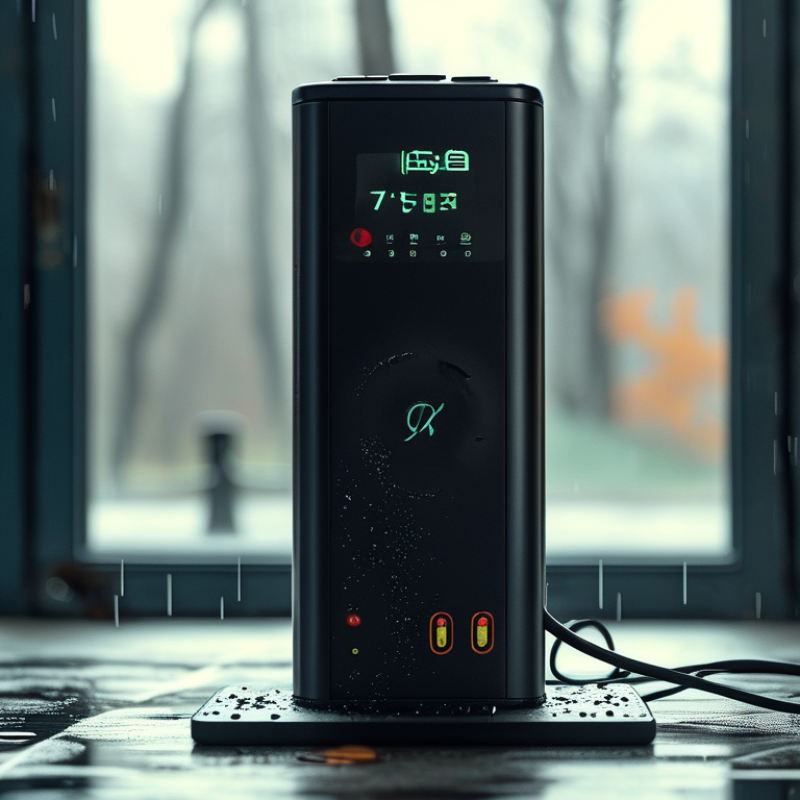
Why Do Indoor and Outdoor Chargers Differ in Performance?

Differences in Design: Indoor vs. Outdoor Chargers

Indoor and outdoor chargers serve distinct purposes due to their design differences. According to a recent industry report, outdoor chargers are built to withstand various weather conditions. They incorporate durable materials and advanced sealing techniques. This helps prevent damage from rain, snow, and extreme temperatures. In contrast, indoor chargers often focus on aesthetics and compactness. Their designs do not prioritize weather resistance, making them less robust.

The energy efficiency of these chargers also varies significantly. Outdoor chargers often feature adaptive charging technology. This allows them to optimize performance in fluctuating temperatures. A notable study indicated that outdoor chargers can maintain up to 15% more efficiency in cold weather compared to standard indoor models. However, these benefits might come at the cost of size and portability. Some outdoor chargers may be bulkier, which can limit their usability.

Reliability is another factor worth considering. Indoor chargers are generally more suited for environments with controlled temperature and humidity. Yet, they may overheat if used continuously at high power. Outdoor chargers, on the other hand, have lower overheating risks due to regulated thermal management. This makes them overall more dependable for varied uses. However, the trade-off lies in their higher initial costs and installation requirements.

Environmental Factors Affecting Charger Performance

Charger performance is greatly influenced by environmental factors. Indoor chargers often perform better due to stable temperature and humidity. Controlled settings minimize the risk of damage from elements like dust or moisture. These factors enhance the overall efficiency and battery life of devices.

Outdoor chargers, however, face significant challenges. Sunlight can cause overheating, reducing their effectiveness. Rain or snow can lead to short-circuiting and damage. Additionally, outdoor chargers need to deal with varying temperatures. Cold weather can slow down charging speeds, while extreme heat can affect internal components.

The connection quality is another important aspect. Outdoor chargers may experience interference from their surroundings. Trees, buildings, and even appliances can disrupt the signals. Users often overlook these details when purchasing chargers. Understanding these environmental influences can guide choices, ensuring better performance in different settings.

Adaptability to Weather: Key Characteristics

Indoor and outdoor chargers differ significantly in performance due to their adaptability to weather conditions. Outdoor chargers must withstand extreme temperatures, rain, snow, and humidity. According to a 2022 report by the International Electrotechnical Commission, outdoor chargers with an IP67 rating can resist dust and immersion in water up to 1 meter. This means they are designed to perform reliably in challenging situations where indoor chargers might fail.

Moreover, thermal management is crucial. Outdoor chargers often incorporate advanced cooling systems. These systems ensure consistent performance in high temperatures. A study by the Electric Vehicle Infrastructure Training Program highlighted that temperature fluctuations can reduce charger efficiency by 20%, impacting overall energy delivery. Additionally, materials used in outdoor chargers are selected for durability. Corrosion-resistant materials can enhance longevity, reducing maintenance costs over time.

However, not all outdoor chargers perform well under every condition. Some may exhibit power losses due to moisture, which can lead to inconsistent charging speeds. It's essential for manufacturers to invest in rigorous testing. Regular evaluation helps ensure that these products meet the demands of real-world environments. This continuous improvement is key in designing equipment that reliably serves users, regardless of location.

Why Do Indoor and Outdoor Chargers Differ in Performance?

Indoor chargers typically have lower performance metrics, such as charging speed, compared to outdoor chargers. This difference is largely attributed to their design adaptability to various environmental conditions.

Charging Technology Variations in Indoor and Outdoor Models

Indoor and outdoor chargers showcase distinct performance due to variations in charging technology. For example, outdoor chargers are typically built to withstand harsher environmental conditions. A study by the International Electrotechnical Commission states that outdoor models must endure extreme temperatures and moisture, which can alter their efficiency. This means they may have specialized components that ensure reliability in unpredictable weather.

Indoor chargers, however, prioritize convenience and energy efficiency. Their design typically features thermal management systems that reduce the risk of overheating. Research from the IEEE suggests these systems allow for increased charging speeds, contributing to an average charging time reduction of 15% compared to outdoor variants. However, indoor models may face limitations in versatility, as they often lack the robust features needed for variable external conditions.

Moreover, the disparity in performance can sometimes lead to user frustration. Many outdoor chargers may charge devices more slowly when temperatures drop below freezing—an issue not faced by their indoor counterparts. This variability highlights the need for users to assess their charging environments carefully. Understanding these differences can improve charging efficiency and overall user satisfaction.

Safety Considerations in Charger Usage and Placement

When using chargers, safety is a critical consideration. Indoor and outdoor chargers often differ in their design and materials, influencing their overall safety. Indoor chargers are typically built with standard components, designed for a controlled environment. They may lack the robustness required to handle outdoor conditions like water and temperature fluctuations.

Outdoors, chargers face threats from the elements. Rain, dust, and extreme heat can damage indoor models used outside. Such exposure may lead to failures. Users should consider surge protectors to safeguard electronic devices from abrupt power changes, especially during storms.

Placement of chargers also matters. Locating chargers away from direct sunlight minimizes overheating risks. Additionally, securing them from physical damage, such as knocks or falls, will prolong their lifespan. Assess your environment and be mindful of potential risks to enhance the safety of your charging experience.

FAQS

: What are the main differences between indoor and outdoor chargers?

: Indoor chargers focus on aesthetics and compactness. Outdoor chargers are built to withstand weather conditions.

How does weather affect charger performance?

Outdoor chargers can endure rain and extreme temperatures. Indoor chargers may fail in such environments.

Are outdoor chargers more energy-efficient?

Yes, outdoor chargers can maintain 15% more efficiency in cold weather than standard indoor models.

Why might outdoor chargers be less portable?

Outdoor chargers are often bulkier due to their durable design, which limits portability.

What are the heating risks of indoor chargers?

Indoor chargers may overheat if continuously used at high power and in uncontrolled environments.

Are outdoor chargers safe to use in all conditions?

No, some outdoor chargers can experience power losses due to moisture, affecting charging speed.

How important is thermal management in chargers?

It's crucial, especially for outdoor chargers, to ensure consistent performance in high temperatures.

What materials are typically used in outdoor chargers?

Corrosion-resistant materials enhance durability and reduce maintenance costs over time.

How can users enhance the safety of their chargers?

Proper placement away from sunlight and physical damage can prolong charger lifespan.

What should users consider for indoor charger safety?

Indoor chargers should be used in controlled environments to avoid failures from water and temperature changes.

Conclusion

The article "Why Do Indoor and Outdoor Chargers Differ in Performance?" explores the various factors that contribute to the difference in performance between indoor and outdoor chargers. One primary aspect discussed is the difference in design, where indoor chargers are tailored for controlled environments, while outdoor chargers are built to withstand harsher conditions. Environmental factors, such as temperature fluctuations and moisture exposure, significantly impact performance, necessitating unique adaptations in outdoor chargers.

Furthermore, the article highlights the critical characteristics that enable outdoor chargers to function effectively in variable weather, such as resistance to water and other elements. It also examines the variations in charging technology utilized in different models, which can affect efficiency and safety. Overall, understanding why indoor and outdoor chargers differ is crucial for consumers to make informed decisions based on their specific usage needs and the environmental conditions they may encounter.

Isabella

Isabella

Isabella is a dedicated marketing professional with a sharp focus on driving brand growth and engagement through strategic content creation. With an extensive background in digital marketing, she combines her passion for storytelling with her keen understanding of industry trends to deliver......