As electric vehicles (EVs) gain popularity, the use of portable EV chargers is increasing. According to the International Energy Agency (IEA), the number of electric cars on the road reached over 10 million in 2020 and continues to grow. With this growth, understanding "how to use portable EV chargers safely" becomes vital. Safety concerns arise due to improper handling and inadequate knowledge of the charging process.
Portable chargers provide convenience but can also pose risks if not used correctly. A study from the Electric Power Research Institute (EPRI) notes that a significant percentage of EV owners lack proper awareness of safety guidelines. This highlights the need for proper education on the usage of portable chargers. Users must consider factors like temperature, cable integrity, and compatibility with their vehicles. Ignoring these aspects can lead to equipment damage or personal injury.
Proper usage requires attention to detail and reliability on information from trusted sources. For instance, avoiding outdoor use during rain is crucial. Furthermore, using chargers that are certified ensures safety and efficiency. As the EV market evolves, embracing best practices for using portable chargers becomes a responsibility for all users.
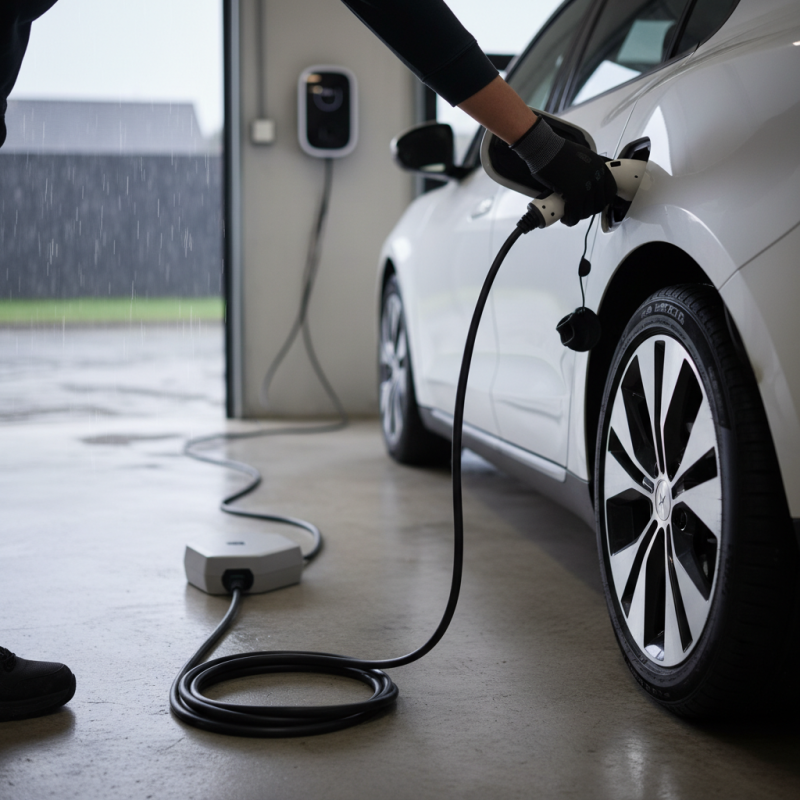
Portable EV chargers are essential for electric vehicle owners seeking convenience. However, safety must always be a priority. A report by the National Fire Protection Association highlights that misuse of charging equipment can lead to overheating or electrical fires. These incidents often stem from improper use or faulty equipment. Understanding how to operate chargers safely can prevent such disasters.
Many EV charging problems arise from user error. For instance, using the wrong extension cord can result in voltage drops and increased resistance. According to an analysis by the Department of Energy, improper connections are a frequent cause of charging failure. Users should always ensure compatibility and avoid modifications. Notably, inexperienced users may underestimate the importance of following safety guidelines.
Charging in wet or damp conditions further complicates safe operation. A comprehensive study shows that moisture can create short circuits. This risk amplifies when chargers lack proper weatherproofing. Many users overlook this detail, putting themselves and their vehicles at risk. Prioritizing safety means being aware of the environment and equipment you’re using. It is crucial to reflect on these practices.
This chart illustrates the importance of using portable EV chargers safely, highlighting various safety concerns and the incidents reported per 1000 chargers. Each safety concern plays a critical role in ensuring user safety and the longevity of the charging equipment.
Using portable EV chargers comes with certain risks that are often overlooked. A report from the National Fire Protection Association indicates that improper use can lead to electrical fires. Overcharging and using damaged cables are common issues. These situations not only damage the vehicle's battery but also pose safety hazards.
User behavior plays a vital role. Many users don’t read the manual. They might connect the charger in wet conditions, which can lead to electric shock. According to an industry survey, 30% of users admit to charging without following safety precautions. It's a stark reminder of how ignorance can lead to severe consequences.
Additionally, inaccurate installations can cause malfunctions. Many people attempt DIY solutions without the necessary knowledge. This can easily result in short circuits or even explosions. Misusing a portable charger is not just about convenience; it’s about safety. Proper knowledge and respect for these devices are crucial.
When using portable EV chargers, safety is paramount. Proper handling ensures both personal safety and the longevity of the charger. Start by inspecting your charger before each use. Look for any frayed cords or exposed wires. Such issues could lead to electrical shock or fires. Always keep the charging area dry. Wet conditions can increase the risk of electrical hazards.
When plugging in your charger, ensure that it matches the electrical standards of your vehicle. Using incompatible equipment can cause significant damage. It’s wise to avoid charging in extreme temperatures. High heat can cause overheating, while extreme cold may compromise battery performance. Always unplug the charger when not in use. Leaving it connected can lead to power surges or unexpected malfunctions.
Lastly, consider the charging environment. Avoid crowded areas where the charger could be a tripping hazard. Educating yourself about local electrical codes can aid in safe practices, too. Remember, your safety starts with mindful usage. Taking these precautions can prevent accidents and extend the life of your portable charger, making your EV charging experience smoother.
Using portable EV chargers safely is crucial for every electric vehicle owner. Understanding the technical specifications helps.
Different chargers provide varying power outputs. A higher output can charge faster but may require careful handling.
Safety features are equally important. Overcurrent protection prevents overheating. A durable casing ensures it can withstand outdoor conditions.
Look for chargers with built-in surge protection. These features protect both the vehicle and the charger itself.
Stay informed about compatibility. Not all chargers work with every EV model. Check voltage ratings and amperage limits.
Though portable chargers offer convenience, improper use can lead to issues. Regular inspections can spot wear and tear.
Prioritize safe practices to ensure long-lasting performance.
The safe use of portable EV chargers is increasingly critical. Regulations and standards shape the landscape of safety in this growing industry. Organizations such as the Underwriters Laboratories (UL) and the International Electrotechnical Commission (IEC) provide guidelines. These guidelines focus on electrical safety, durability, and environmental protection. Adhering to these standards can prevent accidents. A report from the U.S. Department of Energy highlighted that improper use of charging equipment led to over 1,000 electrical fires annually.
Ensuring compliance with safety norms is essential to protect consumers. A study by the National Fire Protection Association (NFPA) revealed that nearly 70% of electrical fires are related to improper installations or faulty equipment. Portable chargers must be equipped with protective features. These may include ground fault circuit interrupters and overcurrent protection. Even minor faults can trigger dangerous situations. The data suggests that as more EVs hit the road, the risks increase if safety measures are disregarded.
Consumers should regularly check their equipment for wear. Regular maintenance is crucial, yet often overlooked. A survey found that 30% of users do not inspect their chargers. This lack of vigilance can lead to unfortunate consequences. Awareness of safety regulations can empower users to make informed decisions about their charging practices. Keeping up with evolving industry standards is necessary for ensuring long-term safety and reliability.
| Safety Aspect | Regulation/Standard | Description | Compliance Importance |
|---|---|---|---|
| Electrical Safety | UL 2202 | Standard for Electric Vehicle (EV) Charging System Equipment. | Ensures that chargers are tested for safety to prevent electrical failures. |
| Environment & Fire Safety | NFPA 70 - National Electrical Code (NEC) | Sets the standards for safe electrical installations, including EV chargers. | Helps minimize the risk of electrical fires and ensures proper installation. |
| User Instructions | IEC 61851 | International standard for EV conductive charging systems. | Requires clear user instructions to promote safe usage. |
| Physical Safety | ISO 15118 | Standard defining communication between EVs and charging stations. | Ensures that physical interactions are safe and efficient. |
| Durability & Weather Resistance | IP Ratings | Ingress Protection ratings indicating resistance to dust and water. | Ensures that chargers can operate safely in various environmental conditions. |
: Inspect the charger for frayed cords and exposed wires. This prevents electrical shocks and fires.
No, extreme heat can cause overheating. Extreme cold may affect battery performance negatively.
Do not use a damaged charger. Replace it to avoid safety risks.
Leaving it plugged in can cause power surges and malfunction. Always disconnect after charging.
Avoid crowded areas. They can create tripping hazards for you and others.
Many forget to inspect their chargers regularly. This lack of care can lead to accidents.
Regulations help prevent electrical fires and ensure the durability of chargers. Compliance is important.
Look for features like ground fault circuit interrupters and overcurrent protection. They enhance safety.
Regular inspections are necessary. Yet, many users neglect this crucial step.
Ignoring safety can lead to accidents and equipment failure. Awareness is key to safe use.
Using portable EV chargers safely is crucial to ensure both user safety and the longevity of the device. The operation of these chargers carries inherent risks, particularly when used improperly, which can lead to electrical hazards or damage to the vehicle and charger. To mitigate these risks, it is important to adhere to best practices, such as regularly inspecting the charger for damage and ensuring proper connections during use.
Moreover, understanding the technical specifications and safety features of portable EV chargers can greatly enhance user safety. Familiarity with regulations and standards governing charger safety can also help users make informed decisions. By following these guidelines and knowing how to use portable EV chargers safely, individuals can enjoy the convenience of electric vehicle charging without compromising safety.
Volt Charger