Essential Safety Features Required for EV Chargers in 2026?

Time:2026-05-22 Author:Oliver
0%

As the electric vehicle (EV) market surges, safety becomes paramount. What safety features are required for EV chargers? In 2026, the demand for reliable and secure charging solutions will expand significantly. EV chargers must protect users from electric shocks and malfunctions. This is crucial for public trust in EV technology.

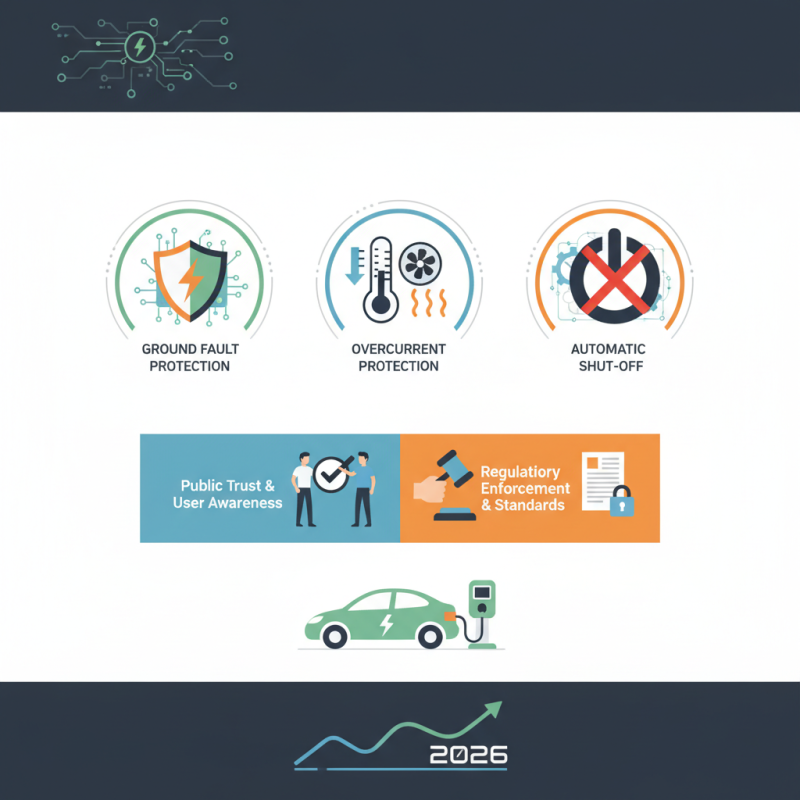
Advanced safety features, such as ground fault protection, are essential. They help prevent accidents by detecting leaks in electrical current. Overcurrent protection is also vital, as it prevents overheating. Moreover, chargers should include automatic shut-off mechanisms. This can be life-saving if a malfunction occurs.

However, achieving these safety standards isn't without challenges. Some manufacturers may overlook essential features to cut costs. Users often assume that all chargers are equally safe, which isn’t true. Regulatory bodies must enforce strict guidelines to ensure compliance. Public awareness about these features is necessary, as informed consumers can demand better safety standards.
Essential Safety Features Required for EV Chargers in 2026?

Overview of EV Charger Safety Standards for 2026

As electric vehicles (EVs) gain popularity, understanding EV charger safety standards is critical for the industry's future. The National Fire Protection Association (NFPA) highlights that approximately 70% of reported EV-related fires involve charging equipment. This underscores the need for improved safety measures in charger design.

By 2026, safety standards for EV chargers will likely incorporate advanced protection features. These include overcurrent protection, temperature monitoring, and ground fault detection. Industry reports suggest that integrating these features could reduce charger malfunctions by up to 45%. Additionally, sensors that detect vehicle compatibility are crucial. They help prevent mishaps when different EV models are charged.

Yet, there are challenges to address. Current standards vary significantly across regions, creating confusion. A report from the International Electrotechnical Commission (IEC) notes that harmonizing these standards could enhance safety and trust in EV charging infrastructure. Stakeholders must work collaboratively to bridge these gaps, ensuring charger reliability and user confidence as we head into a more electrified future.

Key Essential Safety Features for Electric Vehicle Chargers

As electric vehicles (EVs) gain popularity, the need for safe and reliable charging solutions becomes crucial. In 2026, certain essential safety features will be mandatory for EV chargers to ensure user safety and equipment longevity. Understanding these features can help in choosing the right charger.

One critical safety aspect is over-current protection. This feature prevents overheating, which can lead to fires. Similarly, ground fault protection is vital. It detects any stray currents and shuts off power immediately, protecting users from electric shocks. Proper installation is also important; chargers must be equipped with weatherproof enclosures to withstand environmental factors.

**Tip:** Regularly check charging equipment for wear or damage. A small crack could lead to significant hazards.

User-friendly interfaces will become common, providing alerts and guidance during charging. These interfaces contribute to safer usage, especially for those unfamiliar with EV charging. Moreover, an automatic shut-off feature is essential. This ensures the charger stops when the vehicle is fully charged, avoiding battery damage.

**Tip:** Read the user manual thoroughly. Knowing how to use your charger safely can prevent accidents.

Emphasizing these features will promote a safer EV charging ecosystem as technology evolves. Focus on reliability and user safety as integral elements of your charging experience.

Essential Safety Features Required for EV Chargers in 2026

Feature Description Importance Rating (1-5)
Overload Protection Prevents excessive current that can cause overheating and fires. 5
Surge Protection Safeguards against voltage spikes that can damage the charger and the vehicle. 4
Ground Fault Interruption Detects imbalances in electrical current, preventing electric shocks. 5
Emergency Stop Button Allows users to immediately stop charging in case of an emergency. 5
Weatherproof Housing Ensures the charger can operate safely in various outdoor conditions. 4
User Authentication Verifies the identity of users to prevent unauthorized access to the charging unit. 3

Technological Innovations Enhancing EV Charger Safety

As electric vehicle (EV) adoption accelerates, the importance of charger safety innovations becomes critical. Advanced materials, such as heat-resistant composites, will improve charger durability. These materials can withstand high temperatures, reducing fire risks during charging. Enhanced sensors will also play a vital role. They can detect anomalies, such as overheating or electrical faults. Quick notifications can help users respond effectively.

The integration of smart technology is another key aspect. These chargers will connect to mobile apps for real-time monitoring. Users can receive updates and alerts, enhancing awareness of safety conditions. However, as technology evolves, it is essential to ensure these systems are secure. Cybersecurity can often be overlooked in the rush to innovate. Potential hacking could expose users to safety risks, requiring ongoing vigilance.

Moreover, designing user-friendly interfaces will encourage safer usage. Complex systems can confuse users. Clear instructions and intuitive controls are necessary. Simple visual indicators can show when the charger is operating correctly. Yet, some may resist adopting new technologies, fearing malfunction. Balancing innovation with user comfort is essential for widespread acceptance.

Essential Safety Features Required for EV Chargers in 2026

Regulatory Compliance: Ensuring Safe Operation of EV Chargers

As electric vehicle (EV) adoption accelerates, charger safety has become paramount. In 2026, chargers must comply with strict regulations to ensure safe operation. This involves implementing various safety features to prevent fire hazards and electrical malfunctions. Proper grounding and surge protection are essential. Without these, users could face serious risks.

Monitoring charger performance is also critical. Regular diagnostics can catch issues early, preventing dangerous situations. However, there may be challenges in gathering and analyzing data effectively. Some chargers might lack real-time monitoring systems, leading to blind spots in safety assessments. Manufacturers need to prioritize robust data management solutions to enhance reliability.

Another critical safety feature is user-friendly design. Chargers should be intuitive and clearly labelled. This minimizes user error and enhances overall safety. Yet, developing a universally understandable interface poses challenges. Users come from diverse backgrounds. Not every design will resonate equally. Evaluating and addressing these differences is vital for true compliance and safety assurance.

Best Practices for Installation and Maintenance of EV Chargers

The installation and maintenance of EV chargers require careful attention to detail. Proper installation can prevent many issues down the line. Professionals should follow local building codes and manufacturer's guidelines. This ensures compliance and safety.


Regular maintenance is crucial for the longevity of the chargers. Inspect connections and cables frequently. Look for signs of wear or damage. Keeping the unit clean can also prolong its life. Dust and debris can affect performance.


Tips: Always check for updates on safety standards. Incorporate best practices for cable management. A tidy installation reduces hazards. Training staff on basic troubleshooting can save time and resources. Consider implementing a routine inspection schedule. This can reveal potential hazards before they become significant.

FAQS

: What are the main safety features for EV chargers by 2026?

: Key features include over-current protection, ground fault detection, and temperature monitoring.

Why is over-current protection important?

It prevents overheating, reducing the risk of fires during charging.

How does ground fault detection protect users?

It identifies stray currents and shuts off power, preventing electric shocks.

What ensures chargers withstand the elements?

Weatherproof enclosures are essential for protecting the equipment from environmental factors.

How can users enhance their safety while charging?

Regularly inspect chargers for wear, as small cracks can lead to hazards.

What role do user-friendly interfaces play?

They provide alerts and guidance, making charging safer for all users.

Why should chargers have an automatic shut-off feature?

This feature prevents battery damage by stopping charging when the vehicle is charged fully.

What challenges exist in EV charger safety standards?

Current standards vary by region, creating confusion and hindering user trust.

How can stakeholders improve EV charger safety?

Collaborative efforts are needed to standardize regulations and enhance reliability.

How can users prepare for new EV charger standards?

Reading user manuals thoroughly can help prevent accidents and improve safety.

Conclusion

As the electric vehicle (EV) market continues to expand, understanding what safety features are required for EV chargers in 2026 becomes crucial. This article outlines the essential safety standards that EV chargers must meet, emphasizing key features such as overcurrent protection, ground fault detection, and surge protection. In addition, it highlights technological innovations, like smart charging systems, that enhance safety by enabling real-time monitoring and remote management.

Furthermore, regulatory compliance plays a vital role in ensuring the safe operation of EV chargers, necessitating adherence to updated safety guidelines. Best practices for installation and maintenance are also discussed, underscoring the importance of proper setup and regular inspections to prevent accidents and ensure longevity. Together, these elements create a framework for a safer EV charging infrastructure as we move towards 2026.

Oliver

Oliver

Oliver is a seasoned marketing professional with a wealth of expertise in driving brand awareness and engagement. With a deep understanding of our company's product offerings, he consistently delivers high-quality content that enriches our professional blog. His insights not only shed light on......