How DC Fast Charging Affects Your Battery Health Tips

Time:2026-07-18 Author:Mason
0%

As electric vehicles become more prevalent, understanding how DC fast charging impacts battery health is crucial for EV owners. According to Dr. Emily Chen, a leading expert in battery technology, "Fast charging can benefit convenience, but it also presents risks to battery lifespan." This statement highlights the delicate balance between efficiency and battery preservation.

DC fast charging is popular for its speed, allowing drivers to recharge their vehicles quickly. However, this rapid charging process generates heat and increases stress on battery cells. Over time, this can lead to a decline in battery capacity. Users often overlook these long-term effects in favor of immediate convenience.

Being mindful of charging habits is essential. While utilizing DC fast chargers may be necessary on road trips, frequent use can be detrimental. Reflecting on one's charging patterns can lead to better battery maintenance and longevity. Engaging with expert insights can enhance understanding of how DC fast charging impacts battery health, guiding EV owners toward smarter choices.
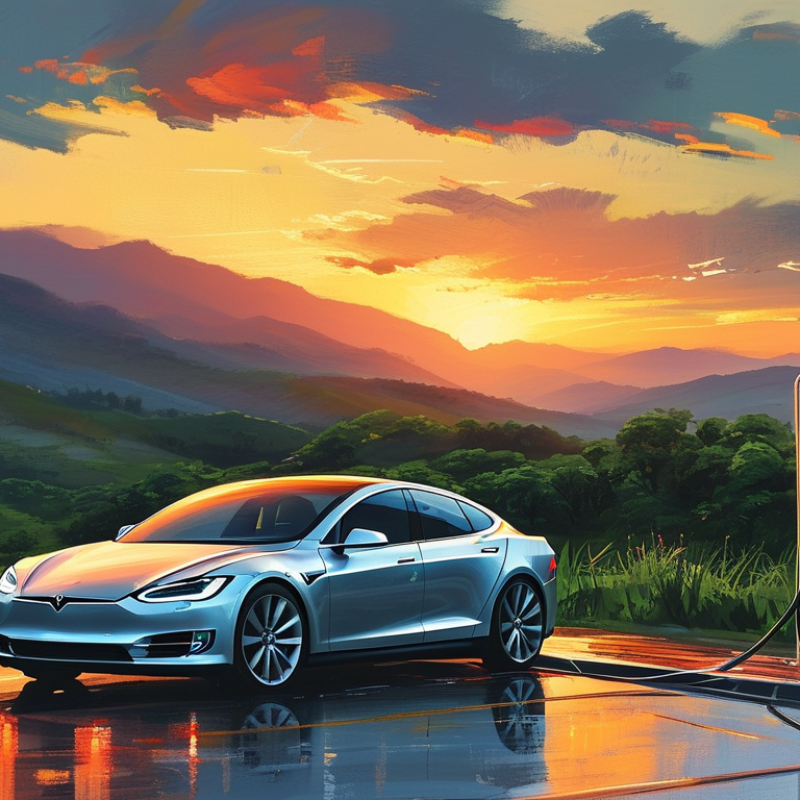
How DC Fast Charging Affects Your Battery Health Tips

Impact of DC Fast Charging on Lithium-Ion Battery Chemistry

DC fast charging is increasingly popular due to its ability to quickly recharge electric vehicle batteries. However, this convenience may affect battery health, particularly lithium-ion chemistry. Research indicates that rapid charging can elevate temperature and stress, leading to reduced battery lifespan. The Battery University suggests that charging a lithium-ion battery at high rates can increase the rate of lithium plating, especially in low temperatures. This reaction can significantly diminish the battery's capacity over time.

A study in the Journal of Power Sources found that while DC fast charging can charge a battery in 30 minutes, it might cause the battery to lose up to 20% of its capacity in just a few hundred cycles. Another report from the Argonne National Laboratory states that thermal management is crucial to maintaining battery health. Elevated temperatures during fast charging can exacerbate degradation, resulting in diminished energy storage capability.

It's essential to recognize the trade-off between convenience and longevity. Proper charging strategies could mitigate adverse effects. For instance, pre-conditioning the battery temperature or using moderate charging rates can improve battery resilience. Understanding these dynamics can lead to better practices for maintaining battery health over time.

Impact of DC Fast Charging on Lithium-Ion Battery Health

This chart illustrates the impact of different DC Fast Charging power levels on lithium-ion battery capacity over time. Higher power levels may lead to more significant capacity degradation.

Understanding Battery Degradation Rates with Frequent Fast Charging

Understanding how DC fast charging affects battery health is crucial for electric vehicle owners. Frequent fast charging can lead to accelerated battery degradation rates. Lithium-ion batteries, commonly used in electric vehicles, are sensitive to high temperatures and charging speeds. A quick charge can cause the battery to heat up, which may shorten its lifespan.

When using DC fast chargers, it's essential to monitor your charging habits. Charging your vehicle to 100% too often can stress the battery cells. It is often better to charge between 20% and 80%. This range helps maintain battery health while still providing adequate range for daily use.

Drivers should also consider the environment where they charge. If it's hot and humid outside, fast charging may produce more heat. This is a crucial factor impacting battery degradation. Keeping battery temperatures in check can mitigate some of the adverse effects. Assessing charging frequency and method is vital for long-term battery care.

Optimal Charging Practices to Maintain Battery Health

When it comes to electric vehicle (EV) batteries, optimal charging practices are crucial for maintaining battery health. Frequent use of DC fast charging can accelerate battery degradation. According to a study published in the Journal of Power Sources, rapid charging increases the battery temperature, which can lead to faster lithium-ion loss. This results in reduced driving range and efficiency over time.

To promote battery longevity, consider using Level 2 charging whenever possible. This method provides a slower, gentler charge that is less stressful on battery chemistry. Research from the International Energy Agency shows that charging at a lower rate can extend battery life by up to 20%. Moreover, keeping your battery level between 20% and 80% can significantly improve overall health.

It’s important to recognize that not all fast charging is detrimental. There are instances where fast charging is necessary. However, relying exclusively on DC fast chargers can lead to performance issues down the line. Aim to balance your charging habits with your driving needs. This will help ensure that your EV remains efficient and reliable for the long haul.

Comparative Analysis of Charging Speeds: DC vs. Level 2 Charging

Charging speed significantly impacts battery health. DC fast charging provides rapid power but may accelerate degradation. In contrast, Level 2 charging offers a gentler approach. It typically takes longer but is less taxing on the battery. For many electric vehicle (EV) owners, striking a balance between speed and battery longevity is crucial.

DC fast charging can heat the battery quickly. High temperatures often result from rapid charging processes. Over time, this can diminish the battery's capacity. Conversely, Level 2 charging tends to keep temperatures low. This method allows the battery to maintain optimal health over a longer period. However, waiting longer for a full charge may not be feasible for everyone.

When assessing charging options, consider your driving habits. Frequent short trips may benefit from regular Level 2 charging. On the other hand, long trips might necessitate DC fast charging. It's important to reflect on your specific needs and charging routine. The goal should be to maximize convenience while maintaining battery life. Balancing these factors requires careful consideration of how often to use each charging method. There are no one-size-fits-all answers in this evolving landscape.

Industry Recommendations for Fast Charging Frequency and Battery Longevity

DC fast charging is a popular choice for electric vehicle owners. However, frequent use can impact battery longevity. Research shows that using DC fast chargers can lead to increased degradation rates in lithium-ion batteries. A study published in a leading automotive journal found that charging at high speeds can reduce battery capacity by up to 30% over time.

Industry experts recommend limiting fast charging sessions. Ideally, use DC fast chargers sparingly, perhaps when you need a quick charge. Regular charging at lower speeds helps maintain battery health. A report from a reputable energy research group emphasizes that keeping your battery's state of charge between 20% and 80% can significantly extend its life.

Battery management systems are improving. Still, caution is vital. Striking a balance between convenience and battery health is necessary. Some users overlook the long-term effects of rapid charging. Reflecting on personal charging habits can lead to better battery maintenance strategies.

FAQS

: What is DC fast charging?

: DC fast charging quickly recharges electric vehicle batteries, reducing wait time for drivers.

How does fast charging affect battery health?

Rapid charging can elevate battery temperatures, causing stress and potentially reducing lifespan.

How much capacity can a battery lose with fast charging?

A study found batteries might lose up to 20% capacity after a few hundred cycles of fast charging.

What role does temperature play in battery degradation?

High temperatures from fast charging can worsen degradation, harming energy storage capabilities.

How can battery health be maintained during charging?

Pre-conditioning battery temperature or using moderate charging rates can help improve battery longevity.

What is the difference between DC fast charging and Level 2 charging?

DC fast charging is quick but can accelerate degradation. Level 2 charging is slower but gentler on batteries.

Which charging method is better for short trips?

Regular Level 2 charging is beneficial for frequent short trips due to lower heat generation.

What should drivers consider when choosing a charging method?

Drivers need to balance their charging needs with battery longevity and consider their driving habits.

Are there ideal charging practices for electric vehicles?

Strategies vary; understanding personal needs and using the right charging method is vital for battery health.

Is there a perfect solution for charging electric vehicles?

No universal approach exists; each scenario requires thought about the trade-off between speed and battery health.

Conclusion

The article "How DC Fast Charging Affects Your Battery Health Tips" explores the critical relationship between fast charging techniques and lithium-ion battery longevity. It outlines how DC fast charging impacts battery health by examining the chemistry of batteries and the accelerated degradation rates that can occur with frequent use of fast-charging stations. Through this analysis, readers can understand the optimal charging practices that can help mitigate potential damage to their batteries.

Additionally, a comparative analysis of charging speeds reveals the differences between DC fast charging and Level 2 charging, highlighting safer and more efficient charging methods. The article concludes with industry recommendations on the frequency of fast charging to maximize battery lifespan, providing valuable insights for electric vehicle owners looking to maintain their battery's health while enjoying the convenience of rapid charging options.

Mason

Mason

Mason is a seasoned marketing professional with a deep expertise in the company's offerings and a passion for driving brand awareness. With a strong background in digital marketing strategies, he has an innate ability to connect with diverse audiences and effectively communicate product benefits.......