In today's fast-paced world, efficient charging is essential. Many devices require quick power-ups to keep up with users' demands. The choice of adapters plays a critical role in this process. How adapters affect charging efficiency is often overlooked. Yet, understanding this relationship can lead to better performance and longevity for our devices.
Adapters vary significantly in design and functionality. Quality adapters can increase charging speed by ensuring optimal power delivery. Conversely, poor-quality adapters may hinder the process, leading to wasted energy. It is crucial to recognize the impact of using subpar equipment. The right adapter can save time and enhance device reliability.
However, not every adapter marketed as efficient lives up to its promise. Users should research and choose appropriately based on their needs. Factors like wattage, compatibility, and build quality matter. Reflecting on these aspects can prevent inconvenient charging experiences. Ultimately, being informed fosters smarter choices in adapter selection.
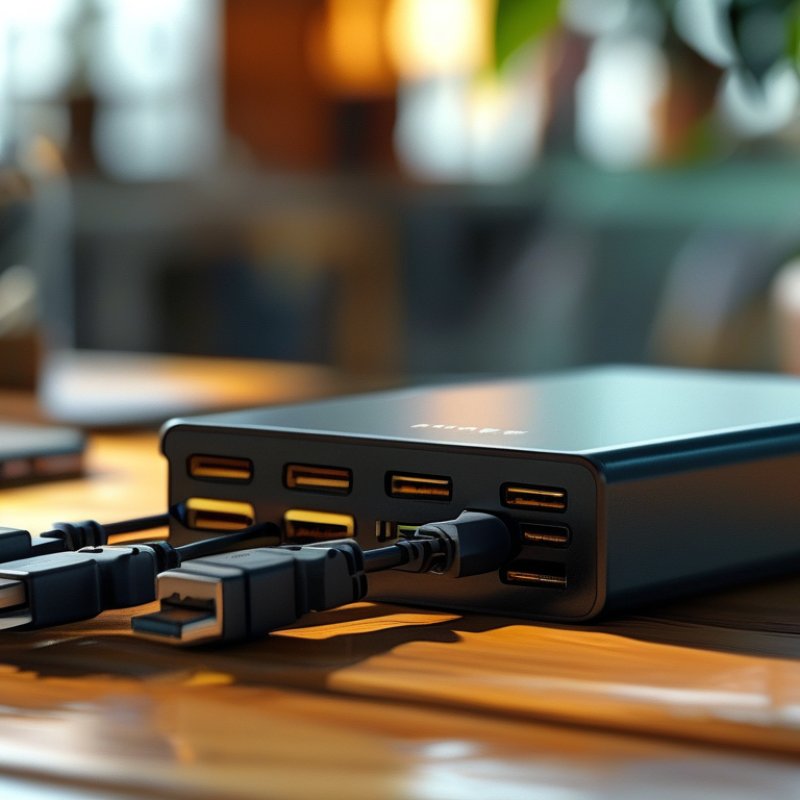
Understanding charging efficiency in modern devices is crucial for optimal performance. Many factors influence how effectively a device charges. The quality of the adapter plays a significant role. Some adapters may support faster charging, but they may not provide the safest method for certain devices.
Charging efficiency is measured in how much energy is actually absorbed by the device compared to how much is drawn from the outlet. A high-quality adapter typically converts more energy. However, not all devices can handle high-speed charging. Each device has its own charging specifications. Using the wrong adapter can lead to
overheating, reduced battery life, or even damage. Ensuring compatibility is essential for both efficiency and safety.
In a world that craves speed, the temptation to speed up charging is strong. Many users overlook potential risks. They might choose an adapter based solely on charging speed, ignoring energy efficiency. This oversight can lead to wasted energy and higher electricity bills. Awareness about the true function of chargers can empower users to make better choices. It’s about balance—not just speed, but also safety and efficiency.
When it comes to maximizing charging efficiency, understanding the types of adapters is crucial.
Different adapters come with unique features that impact performance and usability.
For instance, some adapters provide faster charging speeds, which can save time.
However, the higher speed may not be compatible with all devices, and some users might find this frustrating.
Power delivery (PD) adapters are popular for their ability to adjust voltage and current.
This flexibility improves device compatibility. However, not all adapters support PD technology.
Users must check their devices' specifications before making a choice.
In contrast, standard adapters may offer stable charging, but they often lack the speed and efficiency that many modern gadgets require.
The material quality of adapters also plays a role.
High-quality materials enhance durability and performance. Users sometimes buy cheaper options, only to experience issues over time.
Reliability can be an overlooked factor in the decision-making process.
Additionally, some adapters may generate heat during charging, raising concerns about safety and longevity.
Hence, selecting the right adapter involves careful consideration of multiple factors.
Charging speed is influenced heavily by voltage and current. The relationship between these two factors determines how quickly devices can recharge. Higher voltage often results in faster charging. When a device receives more voltage, it can draw in more power and charge efficiently. Current, measured in amps, also plays a critical role. Higher current enables devices to pull more energy in a shorter time span.
However, this balance can sometimes lead to complications. Not all devices can handle high voltage or current. Using an adapter with too much power can damage a device. It's essential to understand the specifications of both the device and the charger. And yet, charging efficiency does not solely depend on voltage and current. Cable quality and connector design also matter. Poor connections can lead to losses in charging speed, no matter the voltage or current.
Moreover, devices have internal circuit limitations. Some may not accept the maximum voltage or current provided. Users might expect fast charging but may face slower rates due to compatibility issues. Reflecting on these factors encourages a deeper understanding of charging dynamics. Proper education on device specifications is critical to maximize efficiency and ensure safety during the charging process.
In recent years, intelligent charging technology has revolutionized the way we use adapters. This technology optimizes charging efficiency by intelligently regulating power distribution. According to a report from the International Energy Agency, smart chargers can improve energy efficiency by up to 30%, significantly reducing energy waste. These devices analyze the battery's state and adjust the output current accordingly. This not only enhances the charging speed but also prolongs battery life.
Another advantage of intelligent charging is its capability to communicate with devices. Many modern adapters incorporate protocols that allow them to identify the connected device and tailor the charge based on its requirements. Research shows that devices charged with smart adapters can maintain 80% battery capacity over two years, compared to traditional chargers that may only protect 60% of capacity during the same period.
Tips: Always check your adapter's compatibility with your devices. Using the right adapter can prevent battery overloading. Regularly inspect your connections for wear and tear to ensure efficient energy flow. Additionally, consider using timers to avoid overcharging during long periods of inactivity, as this can diminish battery health.
| Adapter Type | Power Output (W) | Charging Efficiency (%) | Intelligent Charging Technology | Compatible Devices |
|---|---|---|---|---|
| USB-C Adapter | 65 | 93 | Yes | Laptops, Smartphones, Tablets |
| Wall Charger | 30 | 90 | No | Smartphones, Wearables |
| Power Bank Adapter | 100 | 95 | Yes | Laptops, Smartphones, Tablets |
| Multi-port Charger | 60 | 88 | Yes | Multiple Devices |
Maximizing charging efficiency with adapters is essential in today's fast-paced world. A 2023 report from the International Energy Agency highlights that efficient charging can reduce energy consumption by up to 30%. Opt for chargers with smart technology. These adapt charging speed based on device requirements. This prevents energy waste and extends battery life.
Using the correct adapter type is just as important. Many users choose generic options. However, this can lead to overheating and slower charging. According to a study by the Department of Energy, tailored adapters improve energy output by 25%. Keep cables short. Longer cables can lead to energy loss. Standard lengths should not exceed six feet.
Regular maintenance of charging setups can make a significant difference. Dust and debris can block connections, causing inefficiencies. A 2022 survey reported that 40% of users do not clean their devices regularly. Make it a habit to inspect and clean ports. This simple act can enhance both safety and performance. Balancing these best practices can help users achieve optimal charging outcomes.
: Several factors affect charging efficiency, including adapter quality, device compatibility, and charging specifications.
Charging efficiency measures how much energy a device absorbs versus how much is drawn from the outlet.
Yes, using an incompatible adapter may cause overheating or reduce battery life.
Consider charging speed, compatibility, and material quality to ensure optimal performance and safety.
PD technology adjusts voltage and current for better compatibility between devices and chargers.
It optimizes power distribution and adjusts current based on the battery's state, potentially improving efficiency by 30%.
Smart adapters can maintain up to 80% battery capacity over two years compared to 60% with traditional chargers.
Ensuring compatibility prevents battery overloading and prolongs device life.
Regularly inspect connections and consider timers to avoid overcharging during long inactivity.
Prioritizing speed over efficiency can lead to wasted energy and higher electricity bills.
In today's tech-driven world, understanding how adapters affect charging efficiency is crucial for optimizing the performance of modern devices. Charging efficiency relies on various factors, including the type of adapter used, its features, and performance capabilities. A comparative analysis of adapter types reveals how voltage and current play significant roles in determining charging speed, as higher values often lead to quicker charging times.
Additionally, the incorporation of intelligent charging technology in adapters enhances efficiency by intelligently adjusting power output, minimizing waste, and prolonging battery life. By adhering to best practices, such as using compatible adapters and avoiding excessive charging cycles, users can maximize their devices' charging efficiency, ensuring that their gadgets remain powered and ready for use.

Volt Charger